Google Campaign Management Guide: Strategies For 2026 Success
Google’s advertising landscape is evolving faster than ever. Will your campaigns keep up in 2026? With over 8.5 billion searches happening every day, mastering google campaign management is more important than ever for anyone wanting to stand out.
PPC campaigns now drive twice as many visitors as SEO, making the right approach a real game-changer. Imagine outpacing your competitors and seeing your business thrive. This guide will walk you through the latest campaign types, setup steps, AI-driven optimisation, measurement, and the trends shaping the future. Ready to future-proof your strategy? Let’s get started together.
Understanding Google Campaign Management in 2026
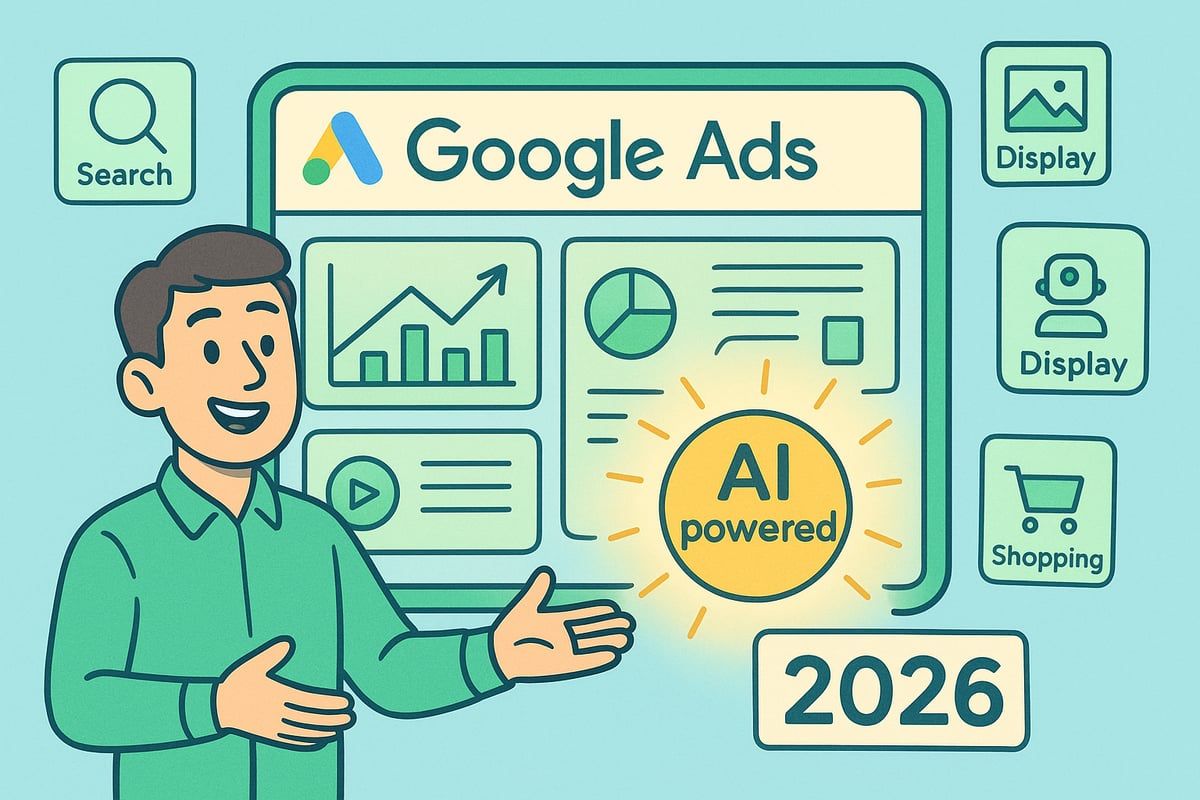
Staying ahead in the world of google campaign management means understanding how quickly things can change. In 2026, the landscape looks remarkably different from just a few years ago. Let’s explore how campaigns have evolved, what the current ecosystem offers, and how automation is shaping success for marketers like us.
Evolution of Google Campaigns
Google campaign management has come a long way since the early AdWords days. Back then, text ads dominated, and marketers had to manage every detail by hand. Over time, key milestones have shaped the current landscape:
- The launch of Performance Max campaigns, which unify ad placements across all Google channels.
- Expanding automation to optimize bidding, targeting, and creative elements.
- Integrating generative AI and machine learning to predict user intent and deliver personalised ads.
- Adopting privacy-first strategies, focusing on first-party data due to tightening regulations.
In 2025, Google introduced powerful AI-powered campaign types, rapidly adopted by brands seeking smarter, more efficient advertising. These innovations allow us to reach customers across devices and channels with ease.
Google Ads Ecosystem Overview
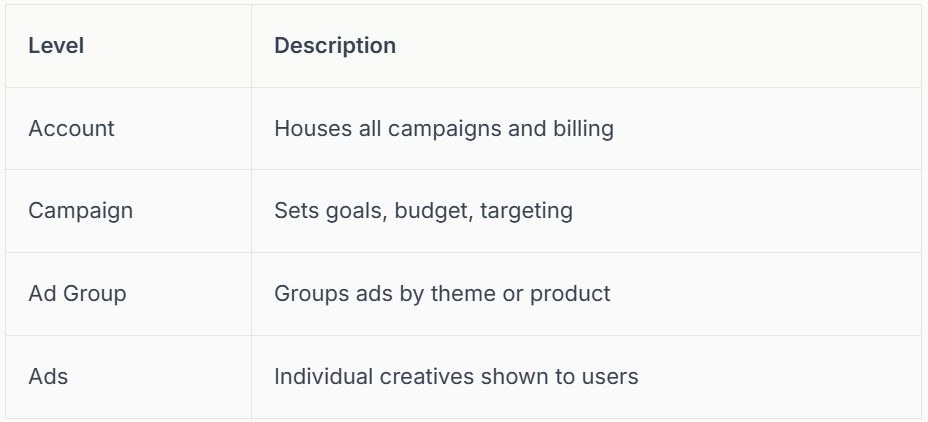
To master google campaign management, it’s essential to understand the structure and variety of campaigns available in 2026. Here’s how the system is organised:
Campaign types include:
- Search (text ads on Google Search)
- Display (image ads across 2 million+ sites)
- Video (YouTube and partner sites)
- Shopping (product listings for retailers)
- App, Local, Smart, Performance Max, Discovery
A well-structured account gives us granular control over targeting and budgets. For ecommerce brands, running multiple campaign types—like Shopping for product launches and Video for awareness—can drive impressive results.
The Role of Automation & AI
Automation is now at the heart of effective google campaign management. We can choose from automated bidding strategies such as Target CPA, Target ROAS, and Maximise Conversions, letting Google’s AI adjust bids in real time.
Smart campaigns and Performance Max use AI to optimise where and when ads appear, saving us time and boosting returns. Here’s what we gain:
- Time savings from less manual work
- Improved targeting accuracy
- Higher ROI through smarter budget allocation
However, relying solely on automation has its risks. Human oversight remains crucial to spot errors, adjust creative, and ensure brand safety. Many brands have scaled their campaigns efficiently by combining automation with expert monitoring, resulting in stronger campaign outcomes for everyone involved.
Step-by-Step: Setting Up High-Performing Google Campaigns
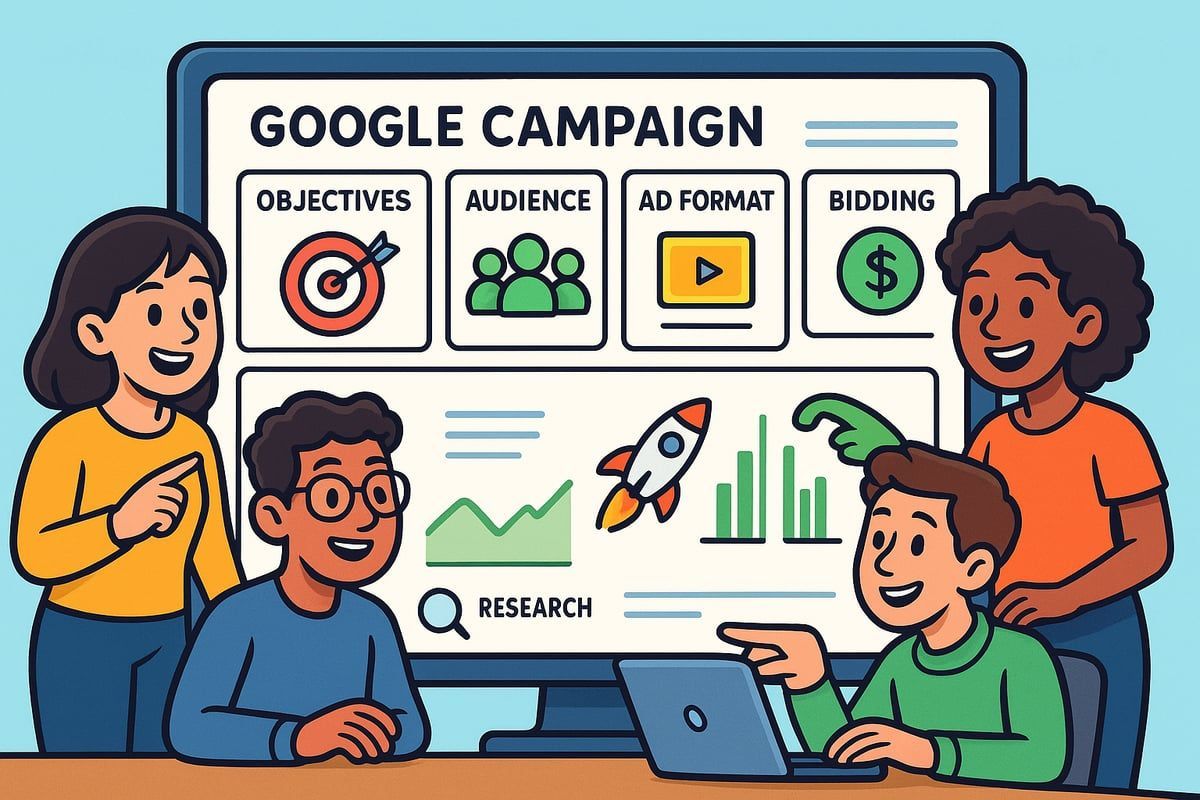
Setting up high-performing Google campaigns in 2026 is more strategic than ever. With the right approach, anyone can master google campaign management and unlock powerful results. Let’s break down the process into clear, actionable steps you can follow for every campaign launch.
Step 1: Defining Campaign Objectives
Every successful google campaign management plan starts with clear objectives. Are you aiming for sales, leads, brand awareness, or app installs? Your goal determines everything else, from targeting to creativity.
Use Google’s goal-based campaign setup for clarity. For example, a SaaS company launching a new tool might focus on lead generation, while an ecommerce brand could prioritise direct sales. Setting clear objectives helps you choose the right campaign type and measure success.
If you’re new to this, check out the Complete PPC and Google Ads beginner guide for a solid foundation before diving deeper.
Step 2: Audience & Keyword Research
Effective google campaign management relies on knowing your audience and what they search for. Start with Google Keyword Planner and AI-driven tools to uncover trending keywords and intent.
Build detailed audience personas using Google’s Audience Insights. Think about demographics, interests, and purchase behaviours. Incorporate your own first-party data for even sharper targeting. For instance, B2B campaigns often segment by industry or job title, while B2C efforts may focus on lifestyle or interests.
Regular research ensures your campaigns stay relevant and ahead of competition.
Step 3: Choosing the Right Campaign Type
With google campaign management, choosing the right campaign type is critical. Google offers options like Search, Display, Video, Shopping, Performance Max, and Discovery.
Each suits different goals. Search campaigns are ideal for high-intent queries, Display for broad awareness, and Shopping for retail products. Performance Max and Discovery campaigns help you reach audiences across multiple channels with unified optimisation.
Did you know video campaigns can drive up to 92 percent ROI for marketers? Choose based on your objectives and test different types for best results.
Step 4: Structuring Ad Groups & Writing Compelling Ads
A strong structure is key in google campaign management. Organise ad groups by product, service, or audience for precise targeting and budget control.
Write compelling ad copy using dynamic keywords, clear value propositions, and strong calls to action. Experiment with new formats like Responsive Search Ads or Video Action Ads to boost engagement.
A/B test your ads to discover what resonates with your audience. Small tweaks, like changing a headline or call to action, can make a big difference in click-through and conversion rates.
Step 5: Budgeting & Bidding Strategies
Smart budgeting is a cornerstone of google campaign management. Set daily or monthly budgets that align with your objectives and available resources.
Decide between smart bidding (like Target CPA or ROAS) and manual bidding. Smart bidding leverages AI for efficiency, while manual bidding offers more control. Monitor your spend closely to avoid wasted budget and adjust as campaigns perform.
Startups often scale quickly with Target ROAS bidding, but always review performance and adapt your approach as needed.
Step 6: Tracking, Analytics & Conversion Setup
The final step in google campaign management is robust tracking and analytics. Integrate Google Analytics 4 and Google Tag Manager for seamless data collection.
Set up conversion actions that match your objectives: form submissions, calls, or purchases. Use advanced attribution modelling and cross-device tracking to understand the full customer journey.
For example, service businesses can track multi-touch attribution to see which channels and keywords drive real results. Accurate tracking empowers you to optimise and scale your campaigns with confidence.
Advanced Optimisation Strategies for 2026
Optimising your google campaign management approach in 2026 means embracing new technology, creative formats, and smarter targeting. With AI evolving quickly and consumer expectations rising, having advanced strategies is no longer optional. Let’s explore the top ways you can future-proof your campaigns, drive better results, and stay ahead of your competition.
Leveraging AI & Machine Learning for Optimisation
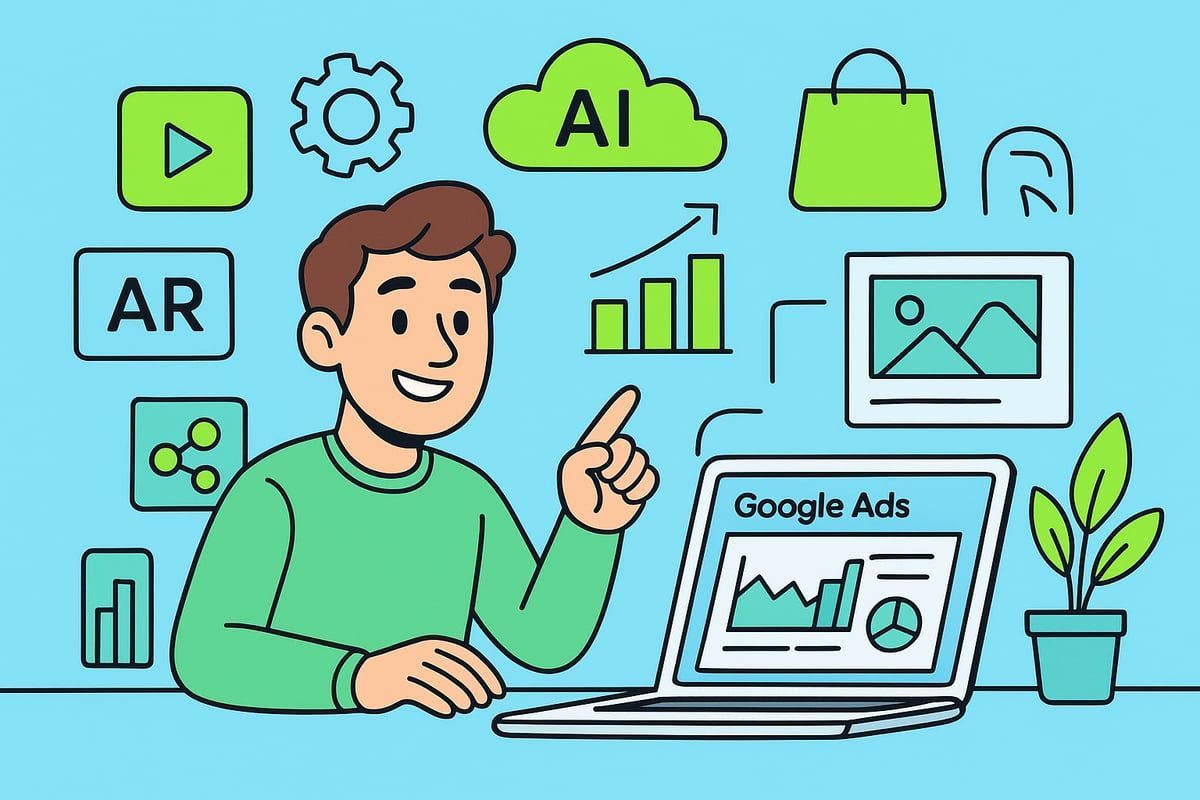
Artificial intelligence is rewriting the rules of google campaign management. AI now powers recommendations for bids, targeting, and even ad copy, enabling marketers to make smarter decisions faster. Predictive analytics let us allocate budgets more dynamically, scaling campaigns as opportunity arises.
For instance, Performance Max campaigns use machine learning to optimize across channels automatically, often delivering a 20% boost in conversions. Brands that embrace AI see time savings, more precise targeting, and measurable ROI improvements. If you want actionable tips on using AI for optimisation, check out these Proven ways to improve Google Ads performance.
The key is to trust AI for routine tasks while still providing strategic oversight. Balance automation with human creativity to get the best from your google campaign management efforts.
Creative Excellence: Ad Formats & Personalisation
Standing out in a crowded online space relies on innovative creativity. In 2026, google campaign management means experimenting with interactive video, shoppable display, and immersive AR ads. These formats capture attention and drive engagement, especially on mobile.
Personalisation is just as important. Dynamic content adapts creatively for different audiences using real-time signals. Data shows that personalized ads generate three times higher engagement, making your ad spend work harder.
- Use responsive ad formats to tailor messaging automatically
- Test AR shopping ads for product launches or visualisation
- Leverage audience insights for creative personalisation
Keep your creative fresh, relevant, and tailored to your ideal customers. This approach will help you stay memorable and maximize campaign impact.
Automation & Rules for Campaign Efficiency
Automation is a game-changer for google campaign management, especially as campaigns grow more complex. Automated rules can pause underperforming ads, adjust bids, or schedule changes based on performance data. Scripts and APIs add another layer of control for advanced users, automating repetitive tasks and freeing up time for strategy.
Agencies report a 40% reduction in manual workload thanks to automation. Here’s how to get started:
- Set rules to pause ads with low CTR or high CPA
- Automate bid adjustments based on conversion trends
- Use scripts for bulk changes and reporting
Automation should complement, not replace, your expertise. Regularly review automated actions to ensure your campaigns stay aligned with business goals.
Maximising Audience Targeting & Segmentation
Advanced audience strategies are essential for effective google campaign management. Today, we can create custom intent, affinity, remarketing, and lookalike audiences with a few clicks. Integrating CRM data allows for hyper-targeted messaging, especially for B2B or account-based marketing.
Consider these tactics:
- Use Customer Match to target high-value leads
- Build lookalike audiences from your best customers
- Segment by behaviour, device, or demographics for precision
This level of targeting ensures your ads reach the right people at the right time, reducing wasted spend and boosting conversion rates.
A/B Testing & Continuous Improvement
Continuous improvement is the backbone of successful google campaign management. A/B testing lets you compare different ad copies, landing pages, and targeting strategies. Small tweaks, like adjusting headlines or CTAs, can have a significant impact on performance.
Best practices include:
- Test one variable at a time for clear results
- Run experiments long enough to gather meaningful data
- Use insights to optimise and scale winning combinations
For example, a travel brand achieved a 15% lift in conversions by A/B testing landing pages. Make testing a regular habit, and your campaigns will always be evolving for the better.
Measuring Success: Analytics, Attribution & Reporting
In google campaign management, measuring success is the backbone of every winning strategy. Without robust analytics and clear reporting, it’s easy to lose sight of what’s working and what needs improvement. Let’s break down how to set up effective measurement frameworks, interpret data, and avoid common pitfalls so your campaigns keep delivering results.
Setting Up Robust Measurement Frameworks
A solid measurement framework gives your google campaign management efforts a clear direction. Start by defining key performance indicators (KPIs) that align with your business goals. Common KPIs include:
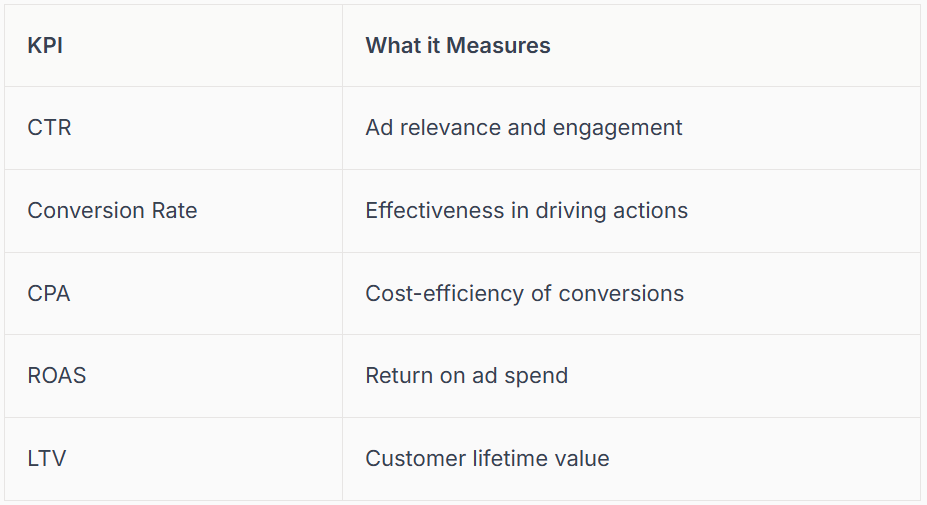
Integrate Google Analytics 4 for unified cross-channel tracking. For multi-location businesses, compare local versus national campaign results to uncover growth opportunities. With the right KPIs and tools, your measurement becomes the compass guiding your decisions.
Attribution Models for 2026
Attribution is at the heart of modern google campaign management. It helps you understand which touchpoints truly matter. In 2026, you have several models to choose from:
- First-click: Credits the first interaction.
- Last-click: Credits the final conversion step.
- Data-driven: Uses AI to assign value based on real user journeys.
Data-driven attribution is increasingly popular, offering nuanced insights that improve budget allocation. For example, ecommerce brands shifting to data-driven models often see more accurate ROI tracking and smarter bidding decisions. Picking the right model empowers you to invest where it counts most.
Real-Time Reporting & Dashboards
Real-time reporting is a game changer in google campaign management. Custom dashboards in Google Data Studio or Looker Studio let you monitor campaign health at a glance. Set up automated alerts for key metrics, so you never miss a trend or anomaly.
Agencies find dashboards invaluable for client transparency and rapid optimisations. With instant access to performance data, your team can spot wins and course-correct quickly. This agility keeps your campaigns on the path to success.
Interpreting Data for Actionable Insights
Collecting data is just the beginning in google campaign management. The real magic happens when you interpret it for actionable insights. Look out for trends, spikes, or outliers that signal opportunities or issues.
Cohort analysis and segmentation reveal how different audiences behave over time. For example, a SaaS company might discover that new users convert better with targeted onboarding ads, leading to smarter resource allocation. Every insight is a stepping stone toward better results.
Avoiding Common Pitfalls in Measurement
Even the best google campaign management can stumble without accurate tracking and data hygiene. Double-check conversion setups, regularly audit your analytics, and stay on top of privacy changes. The rise of first-party data means adapting to cookie loss and regulatory shifts like GDPR is essential.
Retailers who proactively update measurement strategies after privacy changes stay ahead of the competition. If you want expert help, consider reading this Google Ads management services guide for professional support and best practices. Stay vigilant and your campaigns will remain resilient.
Future Trends & Innovations in Google Campaign Management
The world of google campaign management is transforming at an incredible pace, and staying ahead of the curve is more important than ever. As we look beyond 2026, marketers and business owners need to keep an eye on the biggest trends shaping the future of digital advertising. Let’s explore what’s ahead and how you can turn innovation into your competitive advantage.
AI & Automation: The Next Frontier
Artificial intelligence is revolutionising google campaign management, making automation smarter and more efficient than ever. In 2026, AI tools will not only optimize bids and budgets automatically, but also assemble creative assets, predict user intent, and recommend campaign strategies in real time. For example, Google’s Performance Max campaigns now leverage machine learning to dynamically allocate spend across channels, maximising ROI for advertisers.
Early adopters are already seeing results, with some brands achieving 25% faster go-to-market by using AI-driven campaign creation and optimisation. According to AI-Driven PPC Optimization in 2026, automated keyword discovery and smart budgeting are central to this shift. While automation saves time and boosts performance, human oversight remains vital to ensure creative quality and strategic alignment.
Privacy, Consent & First-Party Data
As privacy regulations continue to evolve, google campaign management is shifting towards a privacy-first mindset. Laws like GDPR, CCPA, and ePrivacy are changing the way marketers collect and use data. In response, businesses are focusing on building strong, value-driven opt-in experiences to encourage users to share their information willingly.
First-party data is now the foundation of effective targeting and measurement. Brands are using customer feedback, purchase data, and on-site interactions to create more relevant ads while maintaining compliance. The key to future success will be transparent consent practices and meaningful incentives for users to share their data. This approach not only builds trust, but also gives marketers more control as third-party cookies disappear.
Cross-Channel & Omnichannel Campaigns
In 2026, google campaign management is all about creating seamless experiences across multiple touchpoints. Advertisers are integrating Google Ads with YouTube, Maps, Gmail, and even third-party platforms to reach customers wherever they are. The rise of omnichannel attribution means marketers can track the entire customer journey, from first click to final conversion, and optimise accordingly.
Retail brands, for instance, are blending online and in-store campaigns to create unified experiences. The most successful marketers are those who balance automation with hands-on control, integrating Shopping and Performance Max campaigns for maximum reach. This strategy ensures that messaging and offers are consistent, no matter where the audience engages.
Voice, Visual & Conversational Search
The way people search is changing rapidly, and google campaign management must adapt. By 2026, it’s estimated that half of all searches will be voice or visual, rather than typed. This shift is driven by smart speakers, mobile assistants, and image recognition technology, making it crucial for brands to optimize for these emerging formats.
Structured data, high-quality images, and conversational ad content are becoming essential. Brands using visual search ads are successfully attracting younger audiences, especially Gen Z shoppers who prefer quick, visual interactions. To stay competitive, marketers need to create ads and landing pages that are easily discoverable through voice commands and image queries, ensuring their campaigns remain visible and relevant.
Preparing for Disruption: Agility in Campaign Management
The only constant in google campaign management is change. With frequent platform updates, new ad formats, and evolving algorithms, agility has become a cornerstone of success. Leading agencies and in-house teams are now running quarterly innovation sprints, scenario planning for disruptions, and building flexible processes to adapt quickly.
Creating agile teams means encouraging experimentation, rapid learning, and regular review cycles. This approach helps marketers respond to unexpected shifts, like policy changes or new technology launches, without missing a beat. To future-proof your campaigns, focus on continuous learning, embrace new tools, and keep a close eye on industry updates. The future belongs to those who can adapt and thrive amid uncertainty.
Practical Checklist: Google Campaign Management Success in 2026
Success with google campaign management in 2026 relies on having a clear action plan. Use this practical checklist as your go-to resource for launching, optimising, and refining your campaigns, so you stay ahead of the competition and make every pound count.
Pre-Launch Checklist
Before you launch any campaign, a structured pre-launch checklist ensures every aspect of google campaign management is covered. Review these steps:
- Define campaign objectives clearly, such as sales, leads, or brand awareness.
- Identify your target audience using detailed personas.
- Perform thorough keyword and competitor research.
- Prepare creative assets: ad copy, images, and videos.
- Set up accurate tracking and conversion actions.
- Ensure compliance with privacy regulations and Google Ads policies.
Completing each step helps build a strong foundation for your campaigns, boosting your confidence and readiness.
Ongoing Optimisation Checklist
Consistent optimisation is at the heart of effective google campaign management. Structure your weekly, monthly, and quarterly tasks with these actions:
- Analyse performance data for each campaign and ad group.
- Adjust bids, budgets, and targeting based on real-time insights.
- Test new ad variations and creative formats regularly.
- Review negative keywords and exclude poor performers.
- Monitor conversion tracking for accuracy.
- Update audiences as your business goals evolve.
By keeping optimisation on your calendar, you ensure your campaigns stay agile and competitive.
Troubleshooting Guide
Even with the best planning, issues in google campaign management can arise. Here is a quick troubleshooting guide to resolve common problems:
- Disapprovals: Review ad policies and edit non-compliant ads.
- Spend anomalies: Check for sudden budget spikes or drops.
- Tracking errors: Test conversion actions and verify tag installation.
- Low performance: Revisit keywords, targeting, and creative quality.
- Delivery issues: Ensure campaigns are not limited by budget or targeting.
Addressing these promptly keeps your campaigns running smoothly and protects your investment.
Resources for Mastery
Staying on top of google campaign management trends is easier with trusted resources. Explore:
- Google Skillshop for official certifications.
- Industry blogs and webinars for fresh tactics.
- Certification courses to deepen your expertise.
These resources empower you to adapt quickly and confidently to changes in the digital landscape.
Staying Up-to-Date
The world of google campaign management never stands still. To keep your skills sharp:
- Subscribe to Google Ads updates and newsletters.
- Attend webinars and virtual events for new feature launches.
- Join professional communities and forums.
- Follow thought leaders and official channels for insights.
- Document and share learnings within your team.
This proactive approach ensures you always have the latest knowledge at your fingertips.
Monthly Review Example
A strong monthly review process is vital for multi-location service businesses using google campaign management. Here is an example:
- Export campaign data for each location.
- Compare KPIs like CTR, conversions, and cost per action.
- Identify locations needing extra support or budget.
- Share highlights and action points with local managers.
- Adjust strategies based on findings for continuous improvement.
Regular reviews help you spot trends early, celebrate wins, and pivot quickly when needed.
Encouragement to Revisit and Refine
Remember, google campaign management is an ongoing journey, not a one-time event. Use this checklist often, and encourage your team to revisit and refine each step as you learn what works best for your business.
By making data-driven decisions, staying resourceful, and embracing a culture of continuous improvement, you will be well-equipped to achieve campaign success in 2026 and beyond.
We’ve covered a lot together in this guide, from setting campaign goals to using AI for smarter optimisation and making sense of all that data. If you’re ready to put these strategies into action and want hands-on support from people who genuinely understand both your trade and Google’s ever-changing landscape, we’re here for you. Let’s make sure your business stands out on Maps and search, with a profile that’s optimised and fully verified. You don’t have to do it alone—let’s build your future success together.
Contact connect SEO Today