Internet Advertising Guide: Strategies and Insights for 2026
The world of internet advertising is changing at lightning speed, with brands racing to keep up as we move towards 2026. Businesses are seeing endless opportunities to reach audiences in new ways, but the landscape is also more complex and challenging than ever before.
With internet advertising evolving so quickly, it’s easy to feel overwhelmed. That’s why we’ve created this guide—to give you the actionable strategies, expert insights, and forward-thinking tips you need to succeed.
Inside, you’ll discover the different types of internet advertising, the latest trends, smart targeting tactics, ideas for budgeting, ways to measure success, and how to stay compliant with new regulations.
This guide delivers everything you need to build, optimize, and future-proof your internet advertising strategy for 2026 and beyond.
The Evolving Landscape of Internet Advertising
The world of internet advertising is undergoing a remarkable transformation. As we move closer to 2026, the pace of change feels almost relentless. Businesses are navigating a digital landscape that is both full of promise and packed with new complexities.
Let’s explore how internet advertising has evolved, what’s driving these changes, and the key challenges everyone is facing.
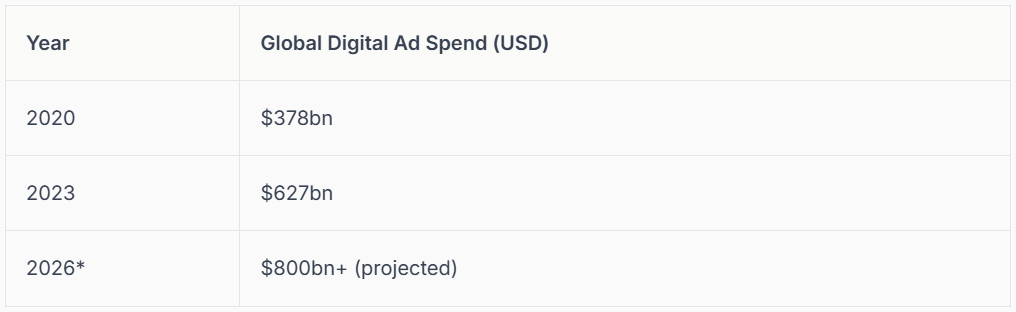
The Digital Acceleration: 2020–2026
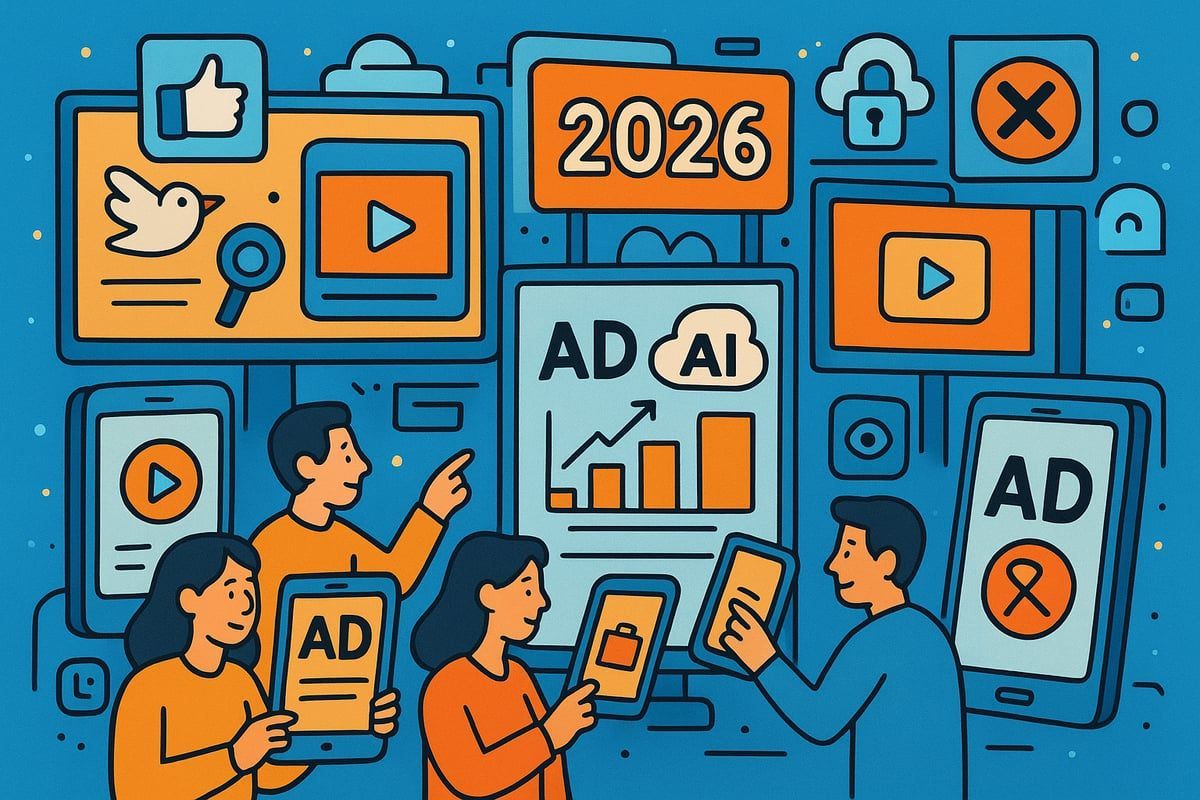
New platforms are constantly emerging. Social networks, search engines, display networks, video streaming services, influencer channels, and even gaming environments are now core to internet advertising campaigns. The rollout of 5G and the expansion of IoT devices have allowed advertisers to deliver richer, faster, and more interactive experiences.
Artificial intelligence is also playing a major role. Campaign automation and programmatic ad buying have become the norm, letting brands target audiences more effectively while reducing manual effort. This acceleration means internet advertising is more dynamic and competitive than ever.
Key Drivers of Change in 2026
Regulation and technology are the main drivers shaping
internet advertising today. Data privacy laws like GDPR and CCPA have set new standards for compliance, and further updates are expected worldwide. Brands must now prioritise user consent and transparency in their digital marketing efforts.
A major shift is underway as third-party cookies are phased out. In response, first-party data strategies are gaining traction, with companies collecting information directly from their customers. There’s also a growing trend towards zero-party data, where consumers willingly share their preferences.
Mobile and video content now dominate how people consume information online. Audiences expect personalised experiences, but they also demand privacy and control over their data. To meet these expectations, brands are investing in consent-driven marketing and innovative personalisation methods.
Internet advertising is becoming a balancing act between relevance and respect for privacy. The brands that succeed will be those who can adapt quickly and put the needs of their audience first.
Challenges Facing Advertisers
While the opportunities in internet advertising are vast, there are some significant hurdles to overcome. Ad fatigue and banner blindness mean that consumers are tuning out traditional ad formats. In the UK, about 27 percent of users now employ ad blockers, making it harder for brands to reach their audiences.
Rising ad costs and fierce competition for attention are squeezing budgets. At the same time, the digital ecosystem is more fragmented than ever, with countless platforms and formats to manage.
Staying ahead in internet advertising requires creativity, flexibility, and a willingness to experiment. The landscape is shifting fast, but with the right strategies, brands can turn these challenges into opportunities for growth.
Core Types of Internet Advertising in 2026
Navigating internet advertising in 2026 can feel like exploring a bustling city, with new routes popping up every day. To help you find your way, let's break down the core types of internet advertising you’ll need to master. Each format offers unique opportunities, creative possibilities, and challenges, so understanding their strengths is key to building a winning strategy.
Display Advertising
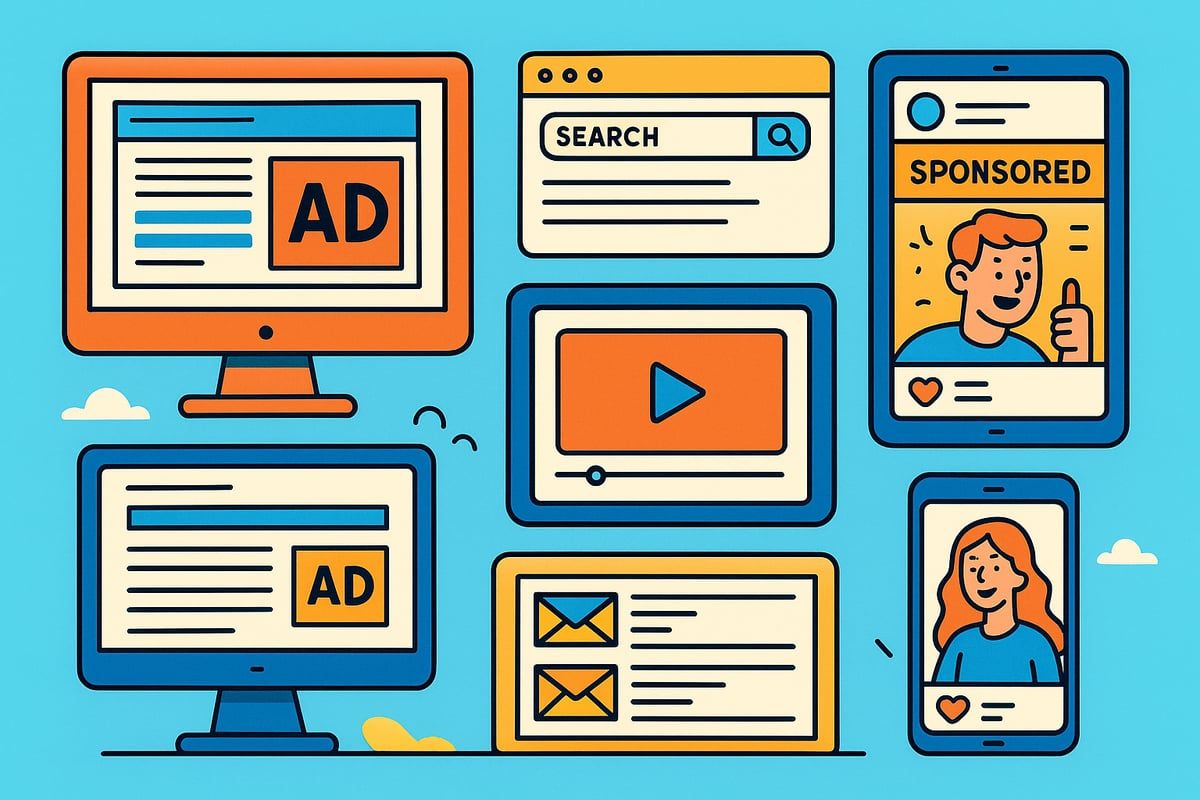
Display advertising has evolved far beyond the static banners of the early internet. In 2026, these ads come alive with rich media, interactive elements, and responsive designs that adapt to any device or screen size.
You’ll find dynamic ads that feature animations, video snippets, or interactive polls, all crafted to capture fleeting attention.
Contextual targeting ensures that ads appear on relevant sites, connecting with users based on content and interests.
- Dynamic banners with real-time offers
- Interactive display ads on news portals
- Responsive layouts for mobile and desktop
Display advertising remains a core pillar of internet advertising, blending creativity with advanced targeting.
Search Engine Marketing (SEM)
Search engine marketing keeps evolving, becoming smarter and more intuitive. Paid search campaigns, including
pay-per-click (PPC) and shopping ads, now harness AI-powered bidding and automation to maximize results.
Voice and visual search play a growing role. Imagine someone asking their smart speaker for a product, or snapping a photo to search visually. SEM strategies adapt to these trends, ensuring brands are visible wherever queries happen.
- Google’s Performance Max campaigns
- Bing AI-driven search ads
- Shopping ads linked to real-time inventory
SEM is a vital part of internet advertising for brands seeking high-intent traffic and measurable ROI.
Social Media Advertising
The social media world is more diverse than ever, with platforms like Facebook, Instagram, TikTok, LinkedIn, X (Twitter), Pinterest, and Snapchat each offering unique ad formats. Advanced audience segmentation and lookalike modelling help brands reach exactly the right people.
Social commerce continues to surge, with shoppable ads and seamless checkout experiences built into feeds. TikTok’s in-feed video ads, Instagram Shops, and Pinterest’s visual discovery tools are just a few ways brands connect and convert.
- Carousel ads with interactive elements
- Influencer collaborations for authentic reach
- TikTok’s viral campaign formats
Social media advertising is a must-have in any internet advertising toolkit for 2026.
Video Advertising
Video advertising is exploding, especially as short-form and live video content dominate user attention. Formats include in-stream ads before or during content, out-stream ads that pop up in articles, and interactive video spots inviting viewer engagement.
Connected TV (CTV) and over-the-top (OTT) services have unlocked new audiences.
Platforms like YouTube Shorts and Netflix’s ad-supported tier offer creative ways to engage viewers.
- Short-form video ads for mobile-first users
- Interactive polls within video streams
- CTV ads targeting family living rooms
Video advertising gives internet advertising campaigns emotional impact and reach.
Native and Sponsored Content
Native and sponsored content feels like a natural part of a user’s online experience. These ads blend seamlessly with editorial or user-generated content, making them less intrusive and often more effective.
Brands use sponsored articles, in-feed ads, and recommendation widgets to educate, entertain, or inspire. For example, BuzzFeed’s sponsored quizzes or in-feed native placements on news sites drive high engagement without disrupting the flow.
- Sponsored articles in digital magazines
- Native ads matched to site aesthetics
- Recommendation widgets beneath content
Native approaches keep internet advertising relevant and engaging for discerning audiences.
Email and Messaging Ads
Email and messaging ads deliver personal, direct communication. In 2026, these campaigns are more segmented and automated than ever, thanks to AI-driven personalisation.
Brands send product recommendations, special offers, or tailored content to segmented lists. Messaging apps like WhatsApp and Messenger now support ads, letting brands reach users with timely, interactive messages.
- Personalised ecommerce recommendations
- Automated re-engagement campaigns
- Promotional SMS and chat messages
Email and messaging are trusted channels in internet advertising, building loyalty and driving conversions.
Affiliate and Influencer Marketing
Affiliate and influencer marketing thrives in the performance-driven landscape of 2026. Brands partner with affiliates or influencers to reach targeted, engaged audiences, often on a pay-for-results basis.
Micro-influencers and niche creators offer authenticity and loyalty. Trackable affiliate links and transparent reporting ensure accountability and measurable ROI.
- Affiliate links in influencer YouTube reviews
- Performance-based partnerships with niche creators
- Sponsored product unboxings and reviews
Affiliate and influencer marketing gives internet advertising a human touch and powerful word-of-mouth reach.
Advanced Targeting, Personalisation, and Automation
The world of internet advertising is evolving rapidly, and advanced targeting, personalisation, and automation now sit at its core. Brands that want to reach the right people, at the right moment, must blend data, technology, and creativity. Let’s explore the strategies that are shaping internet advertising success in 2026.
Data-Driven Targeting Strategies
Data is the foundation of modern internet advertising. As third-party cookies disappear, brands are turning to first-party and zero-party data to power their campaigns. Collecting user preferences directly, through surveys or loyalty programmes, is becoming the norm.
Targeting methods are more sophisticated than ever. Marketers can segment audiences by behaviour, demographics, location, and even psychographics.
Contextual targeting is also making a comeback, matching ads to relevant content, rather than just specific users.
- Behavioural targeting: Focused on user actions and habits
- Demographic targeting: Based on age, gender, income, or education
- Geographic targeting: Uses location data for local relevance
Successful internet advertising leverages these approaches to ensure every message feels timely and personal.
Personalisation at Scale
Personalisation is no longer a luxury, but a necessity in internet advertising. With dynamic creative optimisation (DCO), brands can automatically adapt visuals and messages for each user in real time. AI-powered tools recommend products or content based on browsing history and preferences.
Retargeting strategies keep your brand top-of-mind, showing users the products they browsed or abandoned in their carts. Platforms like Amazon and Spotify are already delivering highly personalised ad experiences.
This level of personalisation boosts engagement and conversion, making internet advertising more effective for every brand.
Automation and Programmatic Buying
Automation has revolutionised internet advertising, making it smarter and faster. Programmatic buying uses algorithms to purchase ad space in real time, ensuring campaigns reach the right audience at the best price.
Real-time bidding (RTB) lets advertisers compete for impressions instantly, while programmatic direct secures premium placements with guaranteed delivery. AI and machine learning optimize budgets, bids, and creativity, freeing up teams to focus on strategy.
- Programmatic guaranteed: Direct deals with top publishers
- RTB: Automated auctions for individual impressions
- AI budget management: Dynamic adjustments for better ROI
Automation ensures internet advertising campaigns run efficiently and adapt quickly to market changes.
Privacy and Consent Management
Balancing effective internet advertising with privacy requirements is now a top priority. Regulations like GDPR and CCPA have changed how brands collect and use data. Consent management platforms (CMPs) help businesses obtain and track user permissions transparently.
Advertisers are adopting privacy-first strategies, such as contextual targeting and anonymised data, to respect user choices. Apple’s App Tracking Transparency and Google’s Privacy Sandbox are setting new standards for data handling.
Building trust with audiences means being open about data use and giving users control. This approach keeps internet advertising compliant and sustainable in the long term.
Measuring Targeting Effectiveness
Measuring the impact of internet advertising has become more complex, especially with privacy changes. Marketers now rely on multi-touch attribution models to track the customer journey across multiple touchpoints, rather than just the last click.
Incrementality testing helps brands understand which ads truly drive results, by comparing exposed and unexposed groups. A/B testing remains a key tool for optimising messages and creativity.
- Multi-touch attribution: Credits each step in the conversion path
- Incrementality: Isolates the true effect of advertising
- A/B experimentation: Tests different versions for the best outcome
With the right measurement tools, brands can prove the value of their internet advertising and make smarter decisions for future campaigns.
Budgeting, ROI, and Performance Measurement
Smart budgeting and reliable performance measurement are at the heart of successful internet advertising. In 2026, the digital marketplace is more dynamic than ever, making it crucial to approach spend allocation and ROI tracking with agility and precision.
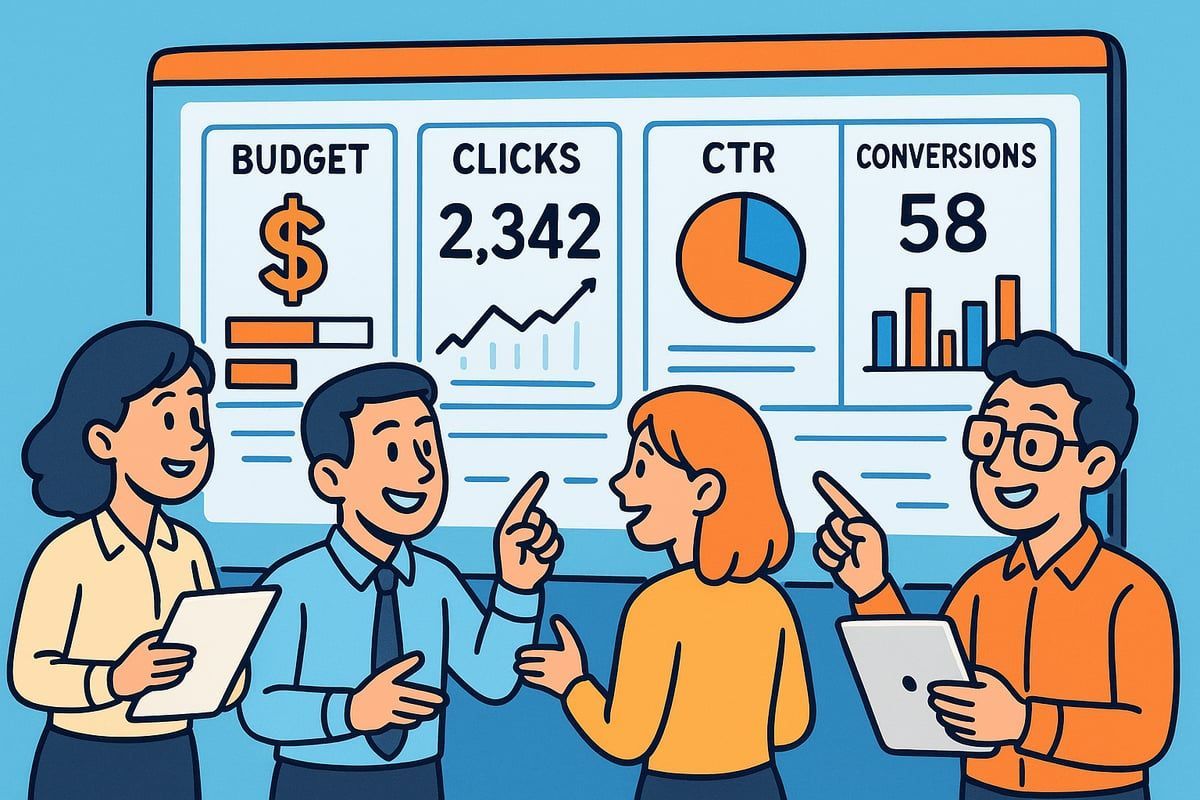
Setting and Allocating Budgets
When it comes to internet advertising, setting the right budget is both an art and a science. Brands must balance ambition with realism, considering channel performance, audience reach, and campaign goals.
A common approach is to allocate spend by channel, objective, and audience segment. For example, a company may shift budget from display to video if engagement rates improve. Agile budgeting is essential, allowing teams to respond quickly to trend shifts or sudden opportunities.
Here’s a quick checklist for smarter budget allocation:
- Review historical data to spot high-performing channels
- Factor in seasonality and industry benchmarks
- Reserve a portion for testing new formats or platforms
By regularly reviewing and adjusting budgets, brands can keep their internet advertising strategy competitive and future-ready.
Key Metrics and KPIs
To measure the impact of internet advertising, brands rely on key metrics and KPIs. These indicators help marketers understand what’s working and where to optimize.
Common metrics include:
- Impressions and clicks
- Conversion rate and cost per acquisition (CPA)
- Return on ad spend (ROAS) and customer lifetime value (LTV)
- Engagement metrics for video and social (view time, shares, comments)
A simple table for quick reference:
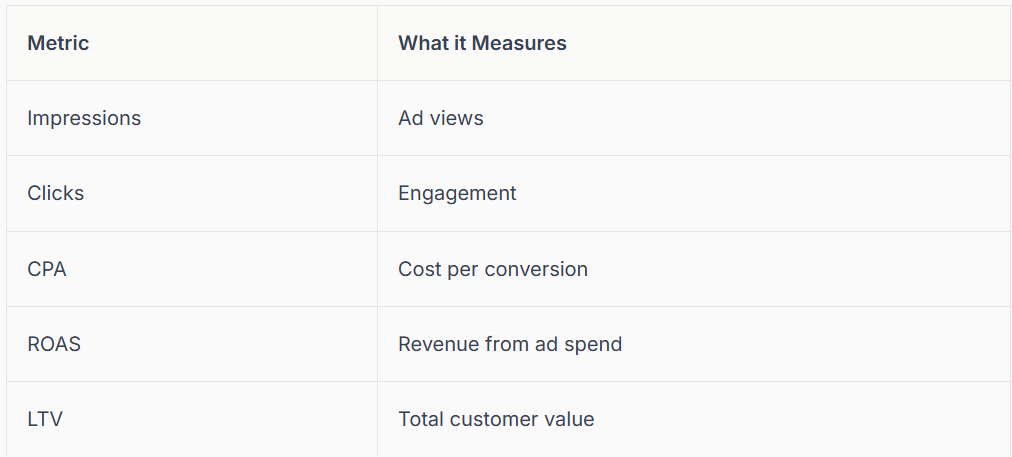
Comparing cost-per-acquisition across platforms ensures you’re investing in the most effective channels for your internet advertising campaigns.
Real-Time Analytics and Dashboards
Modern internet advertising thrives on real-time insights. Integrating data sources into a unified dashboard helps marketers track campaigns holistically, spot trends, and make informed decisions on the fly.
Platforms like Google Ad Manager offer robust tools for campaign management, cross-channel measurement, and AI-driven optimisation. For an in-depth look at making the most of these tools, check out Mastering Google Ad Manager.
Using real-time analytics, brands can quickly identify underperforming ads, shift budget to high-ROI channels, and stay ahead of competitors.
Attribution and Incrementality
Attribution is essential for understanding which touchpoints drive results in internet advertising. Traditional last-click models are giving way to data-driven and multi-touch attribution, providing a clearer picture of what influences conversions.
Incrementality testing, such as A/B experiments, can reveal the true lift provided by advertising. Marketing mix modelling combines multiple data sources to guide budget decisions.
Here’s a quick summary of common attribution models:
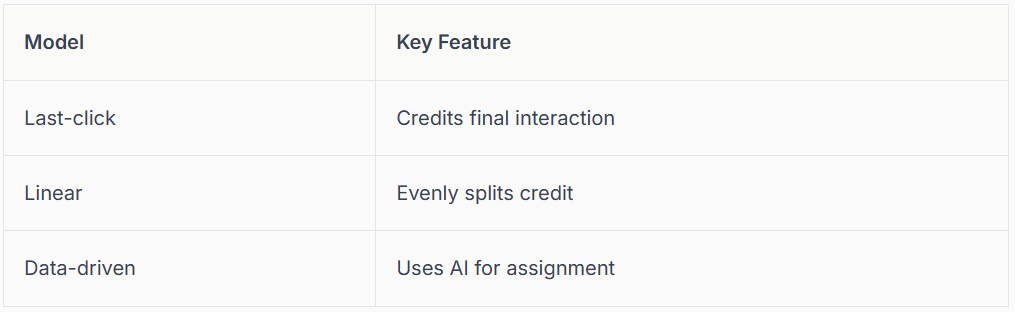
Choosing the right model helps marketers optimize spend and accurately measure ROI.
Overcoming Measurement Challenges
Measurement in internet advertising faces new hurdles, especially as privacy regulations evolve and cookies disappear. This shift limits traditional tracking, making it harder to connect the dots across user journeys.
Solutions include server-side tracking, leveraging first-party analytics, and prioritising consented user data. Brands must adapt by investing in privacy-compliant tools and transparent reporting.
By embracing innovation and focusing on data quality, marketers can continue to drive success with their internet advertising efforts, even in a privacy-first world.
Future Trends and Innovations in Internet Advertising
The future of internet advertising is brimming with possibilities, innovation, and new challenges. As we approach 2026, advertisers must stay ahead of emerging technologies, changing consumer behaviours, and evolving regulations. Let’s explore the key trends shaping the next era of internet advertising.
AI and Machine Learning
Artificial intelligence is transforming internet advertising at every stage. In 2026, AI will be essential for analysing massive data sets, predicting user intent, and automating ad placements. Machine learning can generate personalised creatives, recommend optimal bid strategies, and adapt campaigns in real time. This means advertisers can deliver
more relevant ads with less manual effort and better results.
Let’s not forget the power of AI-driven chatbots and virtual assistants in customer engagement. From predictive targeting to automated reporting, AI is making internet advertising smarter and more efficient.
The Rise of Immersive Formats
Immersive formats are redefining how we experience internet advertising. Augmented reality and virtual reality are no longer futuristic concepts; they are becoming mainstream. Brands are building interactive 3D ads, hosting virtual store experiences, and gamifying campaigns to boost engagement.
The metaverse is opening new arenas for creative storytelling and branded content. Whether it’s AR filters on Instagram or VR events, immersive formats invite users to participate, not just watch. These innovations make internet advertising more memorable and drive deeper connections.
Voice and Visual Search
Voice and visual search are changing the way consumers discover products and services. With more people using smart speakers and image-based search tools, advertisers must adapt their strategies. Optimising internet advertising for voice queries means using conversational language and natural phrasing.
Visual search, powered by AI, lets users find products from images or screenshots. Platforms like Pinterest Lens and Google Lens are leading this shift. Brands can now reach audiences at the moment of inspiration, making internet advertising more timely and effective.
Sustainability and Ethical Advertising
Sustainability is becoming a core value for both consumers and brands. In
internet advertising, this means reducing carbon footprints, choosing eco-friendly ad delivery, and being transparent about data use. Ethical advertising also covers respecting user privacy and promoting honest messaging.
Consumers are drawn to brands that show genuine commitment to ethical practices. Highlighting sustainability in campaigns, supporting responsible causes, and using transparent data policies can build lasting trust in internet advertising.
The Evolution of Commerce and Social Shopping
Commerce is evolving at lightning speed, with internet advertising at the heart of this transformation. Social platforms are integrating in-app checkout, live shopping events, and creator-led commerce. Shoppable ads on TikTok, Instagram, and YouTube make it easier than ever for users to buy directly from their feeds.
The creator economy is booming, giving rise to new opportunities for collaboration and authenticity. Direct-to-consumer models are thriving, and brands that embrace these trends will shape the future of internet advertising.
Regulatory and Compliance Trends
Regulation is tightening across the digital landscape. New privacy laws, stricter consent requirements, and industry certifications are becoming the norm. Advertisers must stay informed and agile to ensure compliance with evolving standards.
Building trust through transparent practices, obtaining clear user consent, and adopting industry best practices are crucial. By prioritising compliance, brands can safeguard their reputation and unlock the full potential of internet advertising in a changing world.
Best Practices and Actionable Strategies for 2026 Success
Navigating the world of
internet advertising in 2026 calls for focus, creativity, and adaptability. With technology reshaping the landscape daily, brands must rely on proven strategies and fresh thinking to stand out. Let’s explore the essential best practices that will help you and your team thrive in the digital age.
Building an Integrated Multi-Channel Strategy
Success in internet advertising starts with integration. Instead of relying on one channel, combine search, social, video, and native ads for maximum impact. This approach ensures your message reaches users wherever they spend time online.
Align your creative and messaging across platforms.
Consistency builds trust and recognition. For example, synchronise your display ads with your social media campaigns to reinforce your brand story.
- Map the customer journey to identify key touchpoints
- Use data to refine your channel mix
- Monitor results and reallocate budget as needed
Integrated strategies deliver a seamless user experience, making your internet advertising efforts more effective.
Creative Excellence and User Engagement
In 2026, creativity is non-negotiable. Audiences crave stories, emotions, and authentic content. Stand out by blending storytelling with eye-catching visuals and interactive formats.
User-generated content and viral challenges on platforms like TikTok can spark massive engagement.
- Encourage customers to share their experiences
- Test interactive ads and shoppable posts
- Use emojis, bold colours, and short videos to capture attention
Creative excellence transforms internet advertising from noise into genuine connection.
Testing, Learning, and Optimisation
Continuous improvement is the backbone of effective
internet advertising. Use structured A/B and multivariate tests to find what truly resonates with your audience.
Set up a testing calendar and document learnings. Small tweaks to headlines, images, or calls-to-action can lead to big improvements in results.
- Test different ad formats and placements
- Analyse performance data regularly
- Share findings with your team to scale what works
Optimisation is an ongoing process, helping your internet advertising strategy stay sharp and relevant.
Managing Privacy, Security, and Compliance
Trust is everything in internet advertising. Stay ahead by keeping up with privacy regulations and ensuring your data practices are transparent and ethical.
Implement robust consent management tools and clear privacy policies. This not only keeps you compliant but also reassures your customers.
- Review your data collection and storage processes
- Provide easy-to-understand privacy notices
- Train staff on the latest security requirements
Prioritising privacy and security builds loyalty and protects your brand in the evolving digital world.
Ad Fraud, Brand Safety, and Quality Control
Digital ad fraud and unsafe placements are ongoing challenges. Safeguard your internet advertising investment by using verification tools and working with trusted partners.
Regularly review where your ads appear. Make use of blocklists and third-party verification to avoid inappropriate content.
- Monitor for suspicious activity and invalid clicks
- Set clear brand safety guidelines
- Partner with platforms offering transparent reporting
Quality control ensures your internet advertising not only reaches the right audience but also reflects your values.
Adapting to Consumer Behaviour Shifts
Consumer habits change fast, especially online. Track trends like mobile-first usage and the rise of short-form video to stay ahead.
Personalise without being intrusive. Use data to understand preferences, but always respect privacy. Brands that adapt quickly see stronger results in internet advertising.
- Explore new platforms and formats early
- Listen to audience feedback and adjust your approach
- Stay agile and ready to pivot as user behaviour evolves
Adaptation is key to remaining relevant and effective.
Building Internal Capability and Partner Networks
A skilled team is your secret weapon in internet advertising. Invest in training for data, analytics, and creative skills. Encourage ongoing learning and knowledge sharing.
Choose partners who align with your goals and values. The right agency or tech provider can amplify your efforts.
- Upskill staff in analytics and creative tools
- Attend industry conferences and webinars
- Build a network of reliable partners
Internal capability and strong networks empower your internet advertising strategy for long-term growth.
Continuous Monitoring and Future-Proofing
Future-proofing means staying curious and proactive. Regularly monitor performance, test new formats, and embrace innovation like AI-driven programmatic buying.
- Set up real-time dashboards for campaign tracking
- Experiment with emerging channels and ad types
- Encourage a culture of innovation within your team
Continuous monitoring ensures your internet advertising remains agile, effective, and ready for whatever comes next.
We’ve covered a lot about how internet advertising is evolving, from new platforms and personalisation to the importance of building trust and staying compliant. If you’re feeling inspired to take your digital presence to the next level but want a helping hand optimising your Google Business Profile and getting found locally, you’re not alone. We understand the challenges and are here to support you every step of the way—because when your business stands out, we all succeed. Let’s future proof your online strategy together—Contact connect SEO Today and let’s get you seen in all the right places.