Personalized Ads Guide: Unlocking Smarter Advertising in 2026
Imagine a world where every online advert feels like it was chosen just for you. It sounds futuristic, right? In 2026, this is quickly becoming our everyday reality.
We all encounter adverts, but what if they truly matched our interests? This guide dives into the world of personalized ads, showing how they’re getting smarter and more relevant for everyone. Curious about the tech, privacy, and strategies behind these ads? Let’s explore how personalised ads are shaping the future and how you can make the most of them.
Complete 2026 personalized advertising guide
The Evolution of Personalised Ads: 2026 and Beyond
Personalized ads have come a long way, transforming from generic banners into tailored messages that feel almost intuitive. This evolution is reshaping how brands connect with us, making each interaction more meaningful and relevant. Let’s explore how we reached this point and the exciting tech driving personalised ads in 2026.
The Journey from Generic to Personalised Advertising
Not long ago, most adverts were broad and impersonal, hoping to catch someone’s attention by sheer numbers. Early digital advertising relied on cookies, basic demographic data, and contextual targeting. This meant seeing the same generic trainers advert, whether you loved running or never left the sofa.
With the rise of AI and machine learning, personalised ads shifted into a smarter era. Platforms like Google’s My Ad Center and YouTube began using real-time data to deliver ads reflecting our interests, recent searches, and even video viewing habits. Suddenly, if you watched a baking tutorial, you might see an ad for kitchen gadgets minutes later.
Mobile devices and apps have played a huge role in this transformation. They gather data across platforms, helping advertisers understand our preferences as we move between phones, tablets, and smart TVs. Cross-device tracking means that the trainers you browsed on your laptop might appear as an ad on your mobile later that day.
Consumer expectations have changed too. We now expect ads to be relevant and timely. According to recent industry data, digital ad spend on personalised campaigns has seen double-digit growth year-on-year since 2022. Brands notice that personalised ads drive higher engagement, with more people clicking and interacting compared to generic campaigns.
Here’s a quick comparison of the old versus new approach:
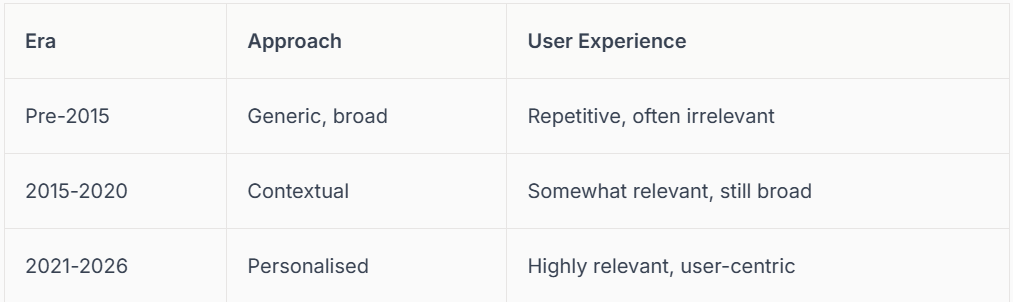
The demand for personalised ads keeps rising as users grow accustomed to seeing content that mirrors their own interests and behaviours. This ongoing shift is setting the stage for even smarter advertising in the years ahead.
Key Technologies Powering Personalised Ads in 2026
Behind the scenes, a powerful mix of technologies fuels the magic of personalised ads. Artificial intelligence and predictive analytics now form the backbone of user profiling and ad targeting. These systems analyse browsing habits, purchase history, and even subtle online signals to predict what you might want to see next.
First-party data has become essential, with brands collecting information directly from their own apps and sites. Privacy-safe identifiers ensure this data is used responsibly, keeping user trust at the forefront. The Internet of Things (IoT) and smart devices add another layer, providing context-aware signals, like showing a coffee ad on your smart fridge screen just as you’re running low.
Cloud computing and big data allow advertisers to process massive amounts of information quickly. Real-time bidding (RTB) and programmatic ad delivery have advanced, enabling ads to be served instantly and tailored to each individual in the moment.
Personalisation now extends across emerging platforms such as AR/VR, smart TVs, and voice assistants. Imagine putting on a VR headset and seeing adverts for your favourite brands, or asking your smart speaker for recipe ideas and getting sponsored suggestions based on your dietary preferences. AI‑driven personalisation trends 2026
A leading retailer, for example, uses AI to analyse customer data from both in-store and online purchases. By spotting trends, they tailor ad creatives and offers to match each shopper’s habits, boosting satisfaction and sales.
As these technologies continue to evolve, personalized ads are set to become even more intuitive and effective, ensuring brands and consumers alike benefit from smarter, more meaningful connections.
How Personalised Ads Work: Mechanisms, Platforms, and Data
Understanding how personalized ads work is key to making the most of today’s digital world. Let’s break down the systems behind the scenes, the data that powers them, and how you can stay in control.
Data Collection and User Profiling
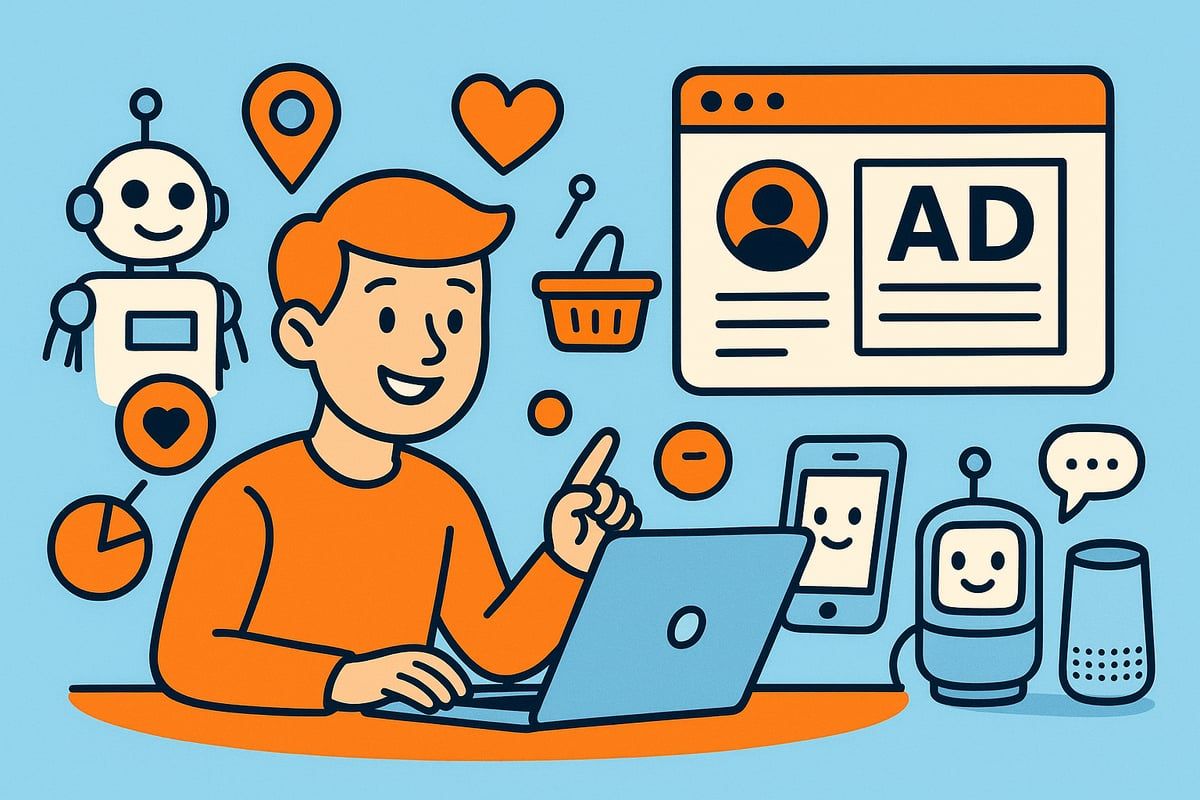
Personalized ads rely on a wide range of data to tailor messages specifically for you. This includes basic details like age and gender, as well as browsing history, app usage, location, and even the type of device you use.
Consent is a central part of the process. You’re often asked to opt in or opt out of personalized ads, giving you control over what data is collected. Google, for example, uses tools like My Ad Center to let you manage your ad experience. They gather data from both Google services and partner sites, combining it to build a more complete user profile.
There’s a difference between signed-in and signed-out profiles. If you’re signed in, your preferences and behaviour are tracked across devices, making personalized ads more accurate. If you’re signed out, ads are based on the device or browser, so the experience is less tailored. YouTube, for instance, recommends ads based on your recent searches or video views, helping advertisers reach you in more meaningful ways.
AI‑powered personalized targeting stack
Data is often aggregated from multiple devices and platforms, creating a seamless flow of information. This allows brands to deliver personalized ads that feel relevant, whether you’re using your phone, laptop, or smart TV.
Ad Delivery: Contextual vs. Personalised
When it comes to serving ads, there are two main approaches: contextual and personalised. Contextual ads focus on the content you’re viewing right now, such as showing restaurant promotions when you read food blogs at lunchtime. Personalized ads, on the other hand, use your unique data, interests, and behaviours to predict what you’ll find most appealing.
Platforms use sophisticated decision engines to choose which ad you see. Real-time ad auctions play a big part, where advertisers bid to show you a specific message based on your profile. For example, you might see fitness ads if you’ve recently searched for workout routines, or receive offers for local shops when you’re nearby.
Partner networks like the Google Display Network and social media platforms expand the reach of personalized ads, ensuring the right message finds the right person. To dive deeper into how these strategies work on Google and YouTube, check out this Google Ads and YouTube Strategies guide for expert insights.
This blend of contextual and personalized delivery keeps advertising both dynamic and relevant, adapting to your needs in real time.
User Control and Transparency
You have more power than ever to shape your personalized ads experience. Platforms offer tools like My Ad Center and partner ad settings, where you can adjust your preferences, turn personalisation on or off, and even pick which topics or brands you want to see.
Taking control is simple. Whether you’re signed in or not, you can follow a few steps to switch off personalized ads across devices. These choices directly affect the ads you encounter, making your experience more enjoyable and less intrusive.
Transparency is a growing priority in the ad industry. You’ll often see options like “Why am I seeing this ad?” that explain how your data was used to select a particular message. Recent studies show that a growing percentage of users are actively managing their ad settings, showing a shift towards empowered and informed audiences.
By understanding and using these tools, we can all enjoy the benefits of personalized ads while keeping our privacy and preferences at the forefront.
The Benefits and Challenges of Personalised Advertising
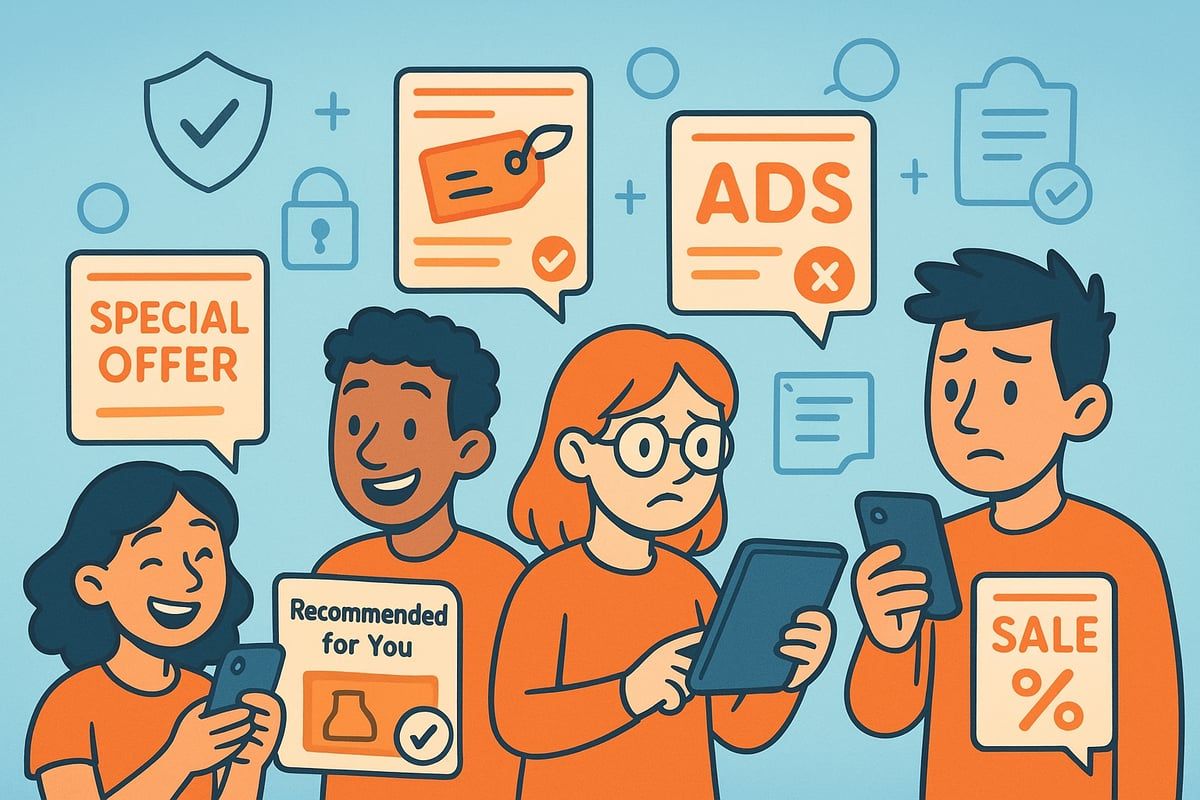
Personalized ads have become a defining feature of our digital world, shaping how we discover new brands, products, and services every day. But what exactly makes personalized ads so powerful, and are there downsides to this tailored approach? Let’s explore the key benefits, challenges, and the delicate balance between relevance and privacy.
Advantages for Brands and Advertisers
For brands, personalized ads are a game-changer. By targeting the right audience at the right time, companies see higher engagement rates and a greater return on investment. Imagine launching a campaign where every message feels tailor-made for each user — that’s the power of personalization.
Brands using personalized ads often notice:
- Improved click-through and conversion rates
- Better customer satisfaction and loyalty
- More effective use of advertising budgets
Take e-commerce brands, for example. Many use retargeting to remind shoppers about abandoned carts, leading to more completed purchases. According to recent studies, click-through rates for personalized ads can be up to three times higher than generic campaigns.
If you want to get the most out of your campaigns, check out these proven ways to improve Google Ads performance. With a few smart tweaks, your ads can become even more effective and relevant.
Consumer Benefits and Experience
It’s not just brands that benefit — consumers enjoy advantages too. Personalized ads help cut through the noise, serving up content that matches their interests, needs, and lifestyles.
Here’s what users often appreciate:
- More relevant ads that feel less intrusive
- Fewer irrelevant or repetitive messages
- The chance to discover new products or services they genuinely care about
For example, a music lover might see concert ticket ads based on their streaming habits, or a foodie might receive restaurant deals just in time for lunch. When done well, personalized ads can turn advertising from an annoyance into a helpful, even delightful, experience.
Challenges and Concerns
Of course, personalized ads come with their own set of challenges. Privacy is a top concern. Many users worry about how much data is being collected and whether it’s safe from misuse or breaches.
Common issues include:
- Data security risks and unauthorised sharing
- Feeling “creeped out” by overly targeted messages
- Ad fatigue from seeing the same themes repeatedly
- Navigating complex privacy settings and regulations
Some users on platforms like Reddit share concerns about being tracked or lacking control over their ad experience. Add in evolving laws like GDPR and the rise of ad blockers, and it’s clear that the landscape for personalized ads is both complex and ever-changing.
Balancing Personalisation and Privacy
So, how can we enjoy the benefits of personalized ads while protecting our privacy? It all comes down to consent, transparency, and trust.
Brands that succeed in 2026 will:
- Clearly explain how and why data is used
- Offer easy-to-find opt-in and opt-out options
- Respect user choices without penalty
Providing straightforward controls empowers consumers to customize their experience and decide what works for them. The most trusted companies are those that prioritise privacy and actively engage with users about their preferences.
In the end, the future of personalized ads relies on striking the right balance. When brands and consumers work together, advertising can feel both relevant and respectful — creating value for everyone involved.
Privacy, Consent, and Regulation: Navigating the New Landscape
The landscape for personalized ads in 2026 is a patchwork of evolving privacy laws, new user rights, and industry innovation. As more of us demand control over our data, advertisers and platforms must adapt to a world where privacy and personalisation must go hand in hand. Whether you are a brand, a marketer, or simply someone browsing online, understanding this balance is essential for navigating the future of online advertising.
The State of Privacy Laws in 2026
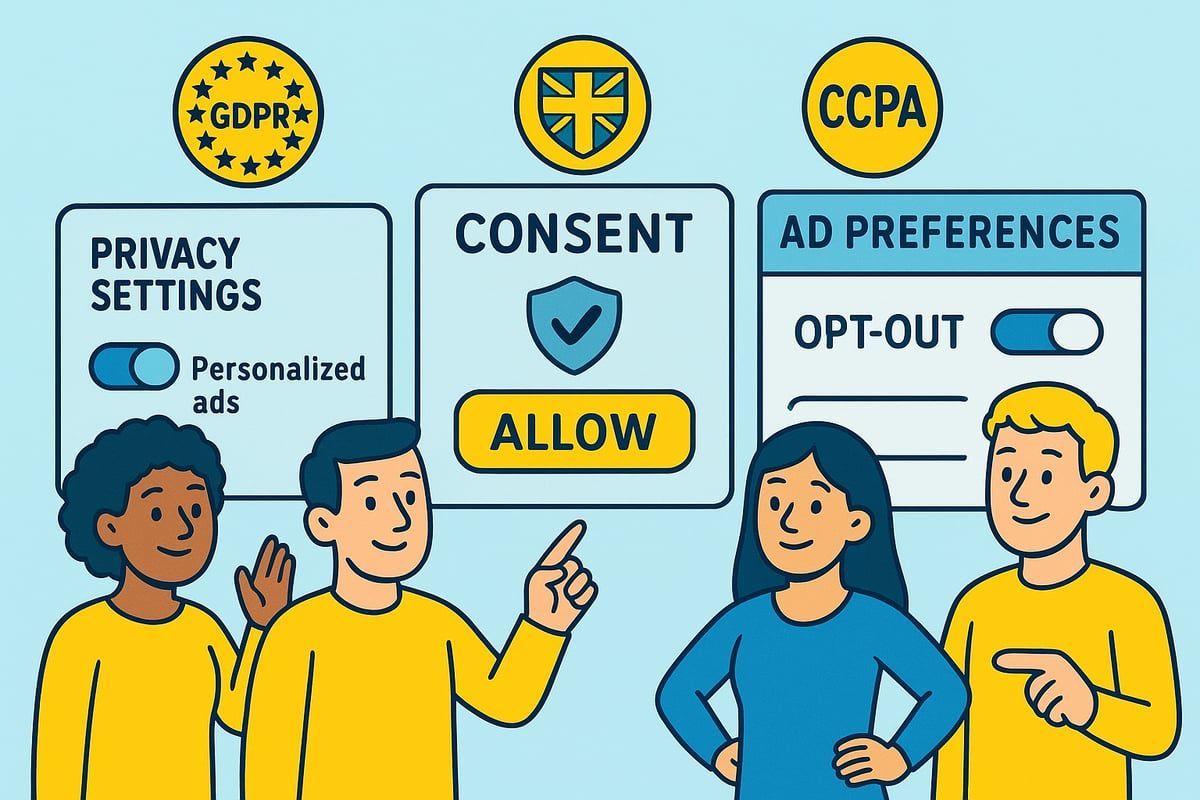
In 2026, privacy laws like the GDPR in Europe and CCPA in California have set the global standard for data protection in personalized ads. The UK and EU have introduced even stricter requirements, making it clear that consent must be freely given, specific, and easy to withdraw. For advertisers, this means collecting, storing, and using data only with explicit permission.
Platforms now face tighter regulations on targeting, especially when it comes to sensitive data or younger users. Google, for example, has disabled personalised ad features for anyone under 18, reflecting a growing trend towards age-based restrictions.
Let us summarise the landscape:
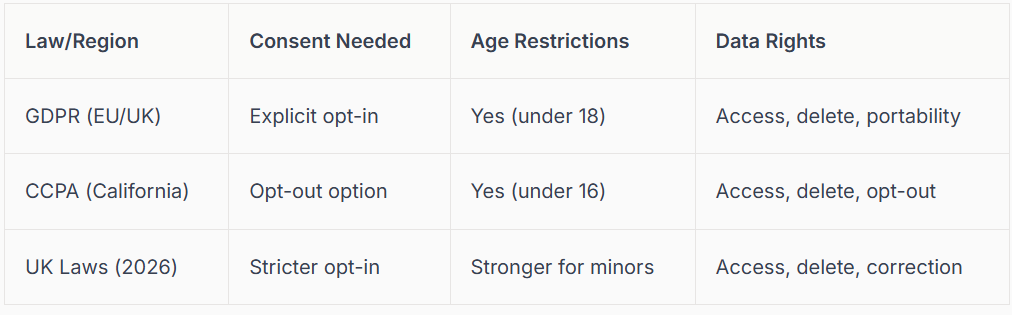
These rules aim to give us more control over how our information is used in personalized ads.
User Rights and Control
With the rise of personalized ads, user rights have become a top priority. Today, most major platforms provide clear dashboards where we can manage our data and tweak ad settings. Google and Apple are leading the way by letting users easily view, edit, or delete personal data and interests.
You can often:
- Review which interests or topics advertisers use for targeting
- Opt out of personalised ad tracking on partner sites
- Request to delete your ad profile or export your data
Having these rights means we can shape our online experience. Tools like Google’s ad preferences or Apple’s privacy settings empower us to decide how much personalisation we want. These options are vital for building trust in personalized ads.
Industry Responses and Best Practices
In response to new laws and rising privacy concerns, the ad industry has developed privacy-first solutions. Contextual targeting is making a comeback, focusing on page content rather than personal data. Innovations like federated learning and differential privacy allow platforms to tailor ads without exposing individual user data.
Transparency is another big step forward. Many companies now publish reports explaining how data is used in personalized ads and educate users about their choices. Collaboration with regulators and privacy groups is helping set new standards for ethical advertising.
For a deeper dive into how AI-driven programmatic advertising is shaping ethical standards and privacy practices, see this AI in Programmatic Advertising Study. These approaches help brands stay compliant while delivering relevant ads.
The Debate: Personalisation vs. Privacy
There is an ongoing debate about how far personalized ads should go. Some of us appreciate the convenience and relevance, while others worry about over-targeting or data misuse. Privacy-focused communities on platforms like Reddit often raise concerns about algorithmic bias, data breaches, and the lack of transparency.
Real-world incidents, such as high-profile data leaks, have made many users sceptical about how their data is handled. At the same time, statistics show that trust in ad platforms is fragile and depends heavily on how open and ethical companies are.
In the end, balancing personalisation and privacy is not just a legal challenge, but a matter of respect and trust. By staying informed and using the tools at our disposal, we can help shape a future where personalized ads serve both our needs and our rights.
Ad personalisation relevance insights
Consumer Guide: Taking Control of Your Ad Experience
Understanding how to manage your personalized ads is empowering. With the right knowledge, you can shape which ads you see, reduce irrelevant content, and protect your privacy while enjoying a tailored online experience.
How to Manage and Customise Personalized Ads
Taking control of your personalized ads begins with understanding the tools available on major platforms. Google, YouTube, and social media sites each offer dashboards where you can review, edit, or delete your ad interests.
Start by signing in to your account and navigating to your ad settings. On Google, for example, visit My Ad Center. Here, you can:
- View which topics and brands are influencing your ads
- Add or remove interests to fine-tune ad relevance
- Opt out of specific advertisers or categories
For signed-out users, ad customisation is more limited. You can still clear browser cookies and reset preferences, but the experience is less tailored. Remember to save your changes, and revisit settings regularly to keep your preferences up to date.
Personalized ads can be managed across devices, so check settings on your phone, tablet, and smart TV for a consistent experience. This proactive approach puts you in charge of what you see.
Tips for Reducing Annoying or Irrelevant Ads
Even the best personalized ads can sometimes miss the mark. If you find ads becoming intrusive or off-topic, there are simple ways to dial things back.
- Clear your cookies and browsing history regularly to reset ad tracking.
- Use ad preference tools to remove irrelevant interests.
- Opt out of interest-based ads on partner sites through the platform’s privacy settings.
- Try browser extensions or privacy tools, such as ad blockers or VPNs, for an extra layer of control.
Many users on platforms like Reddit share their experiences using ad blockers to limit unwanted ads. If you go this route, choose reputable tools, and remember that some websites may restrict access if ad blocking is detected.
By combining these strategies, you can minimize disruption and enjoy a more relevant ad experience.
Understanding the Trade-Offs
Disabling personalized ads can feel like a relief, but it comes with its own set of consequences. You may notice more generic ads that are less relevant to your interests. This can lead to seeing repeat promotions or adverts for products you have no interest in.
There’s also the bigger picture to consider. Many free online services rely on ad revenue to stay afloat. Without personalized ads, these platforms may serve more ads overall or introduce paywalls to compensate for lost income.
A recent US Personalized Advertising Report 2025 found that over half of consumers feel uneasy with too much ad personalisation, yet many appreciate the relevance it brings. Balancing privacy with convenience is a personal choice, so weigh your options carefully.
Staying Informed and Safe
Your safety is just as important as your ad preferences. To avoid scams or malicious adverts, always verify the source before clicking. Look for clear indicators of authenticity, such as verified badges or trusted website domains.
Keep your software, browsers, and privacy settings up to date. This helps block harmful ads and patch security vulnerabilities. If you’re unsure about a particular ad or website, err on the side of caution and avoid engagement.
Explore reputable resources to learn more about online privacy. By staying informed, you can confidently navigate the world of personalized ads while protecting yourself and your data.
The Future of Personalised Advertising: Trends, Predictions, and Innovations
The world of personalized ads is heading towards an exciting future, filled with new possibilities and challenges. As we look ahead to 2026 and beyond, advertisers and consumers alike are set to experience a transformed landscape. Let’s explore the trends, technologies, and predictions shaping the journey.
Emerging Technologies Shaping Ad Personalisation
In 2026, a wave of advanced tech is powering the next generation of personalized ads. Artificial intelligence is now at the heart of ad targeting, using predictive analytics to understand user needs before they’re even expressed. This means brands can deliver content that truly resonates, whether you’re browsing on your phone, speaking to a voice assistant, or immersed in AR or VR worlds.
Cross-device and omnichannel personalisation is growing, ensuring your ad experience feels seamless, no matter the platform. Smart home devices are also joining the mix, offering context-aware suggestions based on your environment. For a deeper dive into how machine learning and predictive analytics are revolutionising this space, see this AI-driven personalization in eCommerce resource.
Personalized ads will increasingly be shaped by natural language processing, allowing for more conversational and relevant messages. As technology evolves, expect even more interactive and adaptive ad experiences.
The Rise of Contextual and Privacy-First Advertising
As privacy regulations tighten and cookie tracking declines, contextual advertising is making a big comeback. Instead of relying solely on personal data, these systems analyse the content you’re consuming in real time to serve relevant ads. Google’s Privacy Sandbox and similar initiatives are leading the way, aiming to balance personalised ads with user anonymity.
Brands are finding success by pairing contextual strategies with privacy-safe targeting, reaching audiences in meaningful moments without overstepping boundaries. A recent case study showed that brands using contextual ads post-cookie changes saw better engagement and user trust.
This privacy-first approach is not only meeting regulatory requirements but also responding to growing consumer demand for transparency and respect. Personalized ads are adapting, offering more control and clarity.
Ethical and Societal Implications
With greater power comes greater responsibility. The rise of personalized ads raises important questions about ethics, fairness, and societal impact. Brands must prioritise transparency, ensuring users know why they’re seeing certain ads and how their data is used.
Algorithmic bias is another concern, as automated systems may inadvertently reinforce stereotypes. Responsible personalisation means regularly auditing algorithms and including diverse data sets. Consumer education is key, empowering people to make informed choices about their ad experiences.
As we move forward, brands have the chance to lead by example, building trust through clear opt-outs and honest communication. Personalized ads can bring value, but only if delivered with respect and care.
Predictions for 2026 and Beyond
Looking ahead, we can expect spending on personalized ads to continue rising as more brands see the benefits of tailored messaging. Adoption rates will climb, especially with innovations in AI and cross-platform integration. At the same time, consumer attitudes will keep evolving, with trust becoming a crucial currency in the digital ecosystem.
Regulatory changes are on the horizon, likely pushing the industry towards even more transparency and user control. The balance between innovation and trust will define the next decade.
For advertisers eager to stay ahead, mastering campaign management is vital. If you’re looking to optimize your approach, consider this Expert Google Ads Management resource for practical strategies.
The future of personalized ads is bright, as long as we put people’s needs, privacy, and preferences at the centre of every innovation.
Now that we’ve explored how personalized ads are changing the way businesses connect with people in 2026, you might be wondering how you can make your own business stand out in local searches. The truth is, having a verified and optimised Google Business Profile is one of the smartest moves you can make right now. With Connect SEO, you’re not just getting digital marketing—you’re working with real experts who understand both your trade and the power of local search. If you’re ready to unlock smarter advertising for your business,Contact connect SEO Today.