
Online Ads Guide 2026: Strategies for Digital Success
The world of online ads is changing fast, and staying ahead is more important than ever. As we look to 2026, new technologies and smarter targeting are reshaping how we connect with audiences.
With digital ad platforms and AI-driven strategies leading the way, businesses have huge opportunities for growth, brand awareness, and stronger returns on investment. If you want to make the most of online ads, adapting now is essential.
This guide is here to help you master online ads in 2026. We’ll explore emerging trends, help you choose the right platforms, share creative strategies, explain how to measure success, keep you compliant, and show you how to future-proof your campaigns.
The Online Ads Landscape in 2026: Trends & Predictions
The world of online ads is transforming at lightning speed, and 2026 promises even more innovation. Let’s explore the trends shaping the future, so we can all stay ahead of the curve and make the most of every advertising opportunity.
The Rise of AI and Automation in Ad Buying
AI is now at the heart of online ads, making campaign management smarter and more efficient. Automated systems handle real-time bidding, dynamic creative, and budget allocation, freeing us to focus on strategy.
By 2026, programmatic advertising adoption is soaring. According to Programmatic Advertising Market Growth, the global market is set to surpass USD 4,397 billion by 2032, fuelled by AI and data-driven marketing. Google’s Performance Max campaigns use AI to optimise across channels in real time, allowing brands to reach audiences more effectively.
AI-driven automation helps us target users precisely and improve performance, making online ads more powerful than ever.
Privacy Regulations and the Cookieless Future
Privacy is a top concern in online ads, as regulations like GDPR and the ePrivacy Directive reshape how we collect and use data. The end of third-party cookies is pushing brands to rethink their targeting and attribution strategies.
Advertisers are shifting to first-party data and contextual targeting to maintain relevance. For example, many brands now encourage users to share preferences directly, helping us build stronger, more compliant relationships.
This privacy-first approach ensures online ads remain effective while respecting user consent and building trust for the future.
Growth of Video and Interactive Ads
Video is dominating online ads, with consumption and engagement rates higher than ever. In 2026, shoppable and interactive ad formats are everywhere, especially on platforms like YouTube and TikTok.
Recent studies show that interactive video ads increase engagement and drive more conversions compared to static formats. A leading fashion brand ran an interactive campaign on YouTube, allowing users to shop directly from the video and saw a significant uplift in sales.
With video and interactive elements, online ads are not just seen—they’re experienced.
Mobile-First and Cross-Device Advertising
Mobile usage continues to rise, making mobile-first strategies
essential for online ads. People browse, shop, and watch content across smartphones, tablets, and desktops, often switching devices throughout their journey.
Responsive creative and seamless user experiences are now standard. Brands are succeeding by using cross-device retargeting, reminding users about products they viewed on one device when they switch to another. This keeps online ads relevant and top-of-mind, wherever the audience goes.
Mobile-first thinking ensures we reach customers where they are, every step of the way.
Voice, AR, and Emerging Ad Formats
Emerging formats like voice search and AR ads are opening new doors for online ads in 2026. Voice assistants are now part of daily life, and brands are creating audio-first campaigns to capture attention in this growing space.
AR ads let users try products virtually, making shopping more interactive and personal. Early campaigns on platforms like Snapchat and Meta show strong engagement and memorable brand experiences.
As we look to the future, staying curious and experimenting with new ad formats helps us keep online ads fresh, exciting, and effective.
Choosing the Right Platforms for Your Audience
Finding the perfect platforms for your online ads can feel like navigating a maze. Each channel offers unique benefits, audiences, and creative possibilities. The secret is matching your brand’s goals and audience with the right platforms, ensuring your message lands exactly where it matters most.
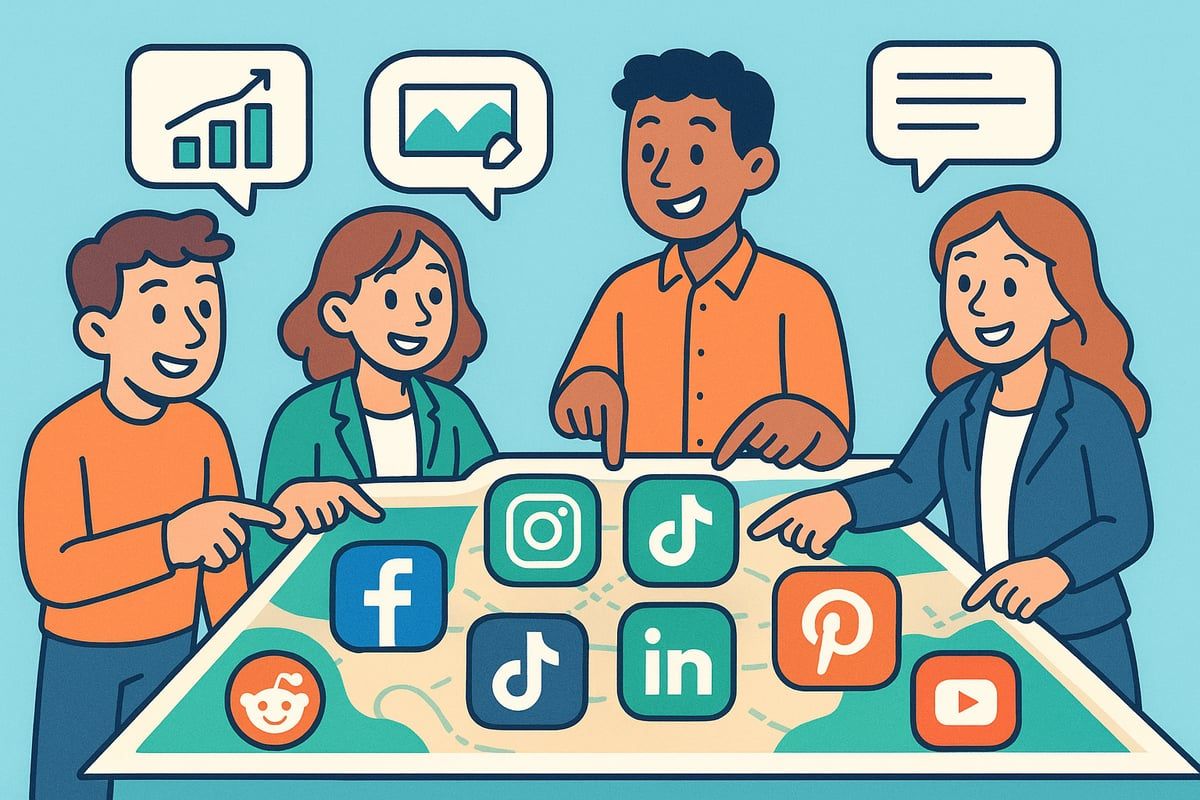
Social Media Advertising: Facebook, Instagram, TikTok, LinkedIn
Social media remains a powerhouse for online ads, with each platform attracting distinct audiences and offering tailored ad formats. Facebook and Instagram excel at reaching a broad demographic, from Gen Z to Boomers, making them ideal for both awareness and engagement. TikTok is rapidly gaining ground among younger users, offering viral potential through short-form video and interactive features.
LinkedIn stands out for B2B campaigns, enabling precise targeting by industry, job title, or company. Ad formats range from Stories and Reels to in-feed video and lead gen forms. For those eager to master TikTok’s unique approach, TikTok Advertising Essentials provides a comprehensive guide. Selecting the right mix lets your online ads resonate with your audience, building both brand and community.
Search Engine Marketing: Google Ads, Microsoft Advertising
Search engines are the backbone of intent-driven online ads.
Google Ads dominates with vast reach and powerful targeting, while Microsoft Advertising taps into unique audiences, especially on desktop. Both platforms offer automated bidding, responsive search ads, and detailed analytics.
Smart bidding strategies help stretch budgets, and location targeting ensures ads reach local customers. For local businesses, success stories abound where a well-optimised Google Ads campaign led to increased footfall and online conversions. When intent matters, these platforms are the go-to for capturing warm leads with online ads.
Display, Native, and Programmatic Platforms
Display and native ads are the visual storytellers of the online ads world, ideal for driving brand lift and awareness. Programmatic platforms automate buying, using AI to place ads in front of the right people at the right time. Audience segmentation is a key advantage, letting brands tailor messages for specific interests or behaviours.
Native ads blend seamlessly into website content, boosting engagement. Programmatic case studies show measurable ROI when campaigns combine precise targeting with creative excellence. For brands seeking scale, these platforms ensure online ads reach diverse, relevant audiences efficiently.
Video & Audio Platforms: YouTube, Spotify, Podcasts
Video and audio channels are transforming how audiences engage with online ads. YouTube offers high-impact video formats, from skippable TrueView ads to immersive Shorts, while Spotify and podcasts deliver targeted audio placements that reach users during commutes or workouts.
Best practices include concise storytelling, strong hooks in the first seconds, and aligning creative with the platform’s vibe. Brands see significant brand lift when using TrueView campaigns, as video and audio ads create memorable connections. Integrating these platforms into your online ads mix can boost reach and engagement.
Niche & Emerging Platforms
Niche and emerging platforms like Reddit, Pinterest, Quora, and gaming apps offer unique opportunities for online ads. Reddit’s communities are highly engaged, making it ideal for authentic conversations. Pinterest appeals to planners and shoppers, while Quora reaches those seeking in-depth answers.
Gaming platforms attract younger audiences who value interactivity. Investing in these channels makes sense when your audience aligns closely with the platform’s user base and your campaign goals require creative, innovative formats. Testing emerging spaces helps future-proof your online ads strategy and keeps your brand ahead of the curve.
Building High-Performing Online Ad Campaigns
Creating
high-performing online ads in 2026 means more than just setting up a campaign and hoping for the best. It requires a thoughtful, step-by-step approach, focused on clear goals, audience understanding, creative messaging, smart budgeting, and ongoing optimisation. Let’s walk through each essential step to help you unlock the true potential of your online ads and drive meaningful results for your brand.
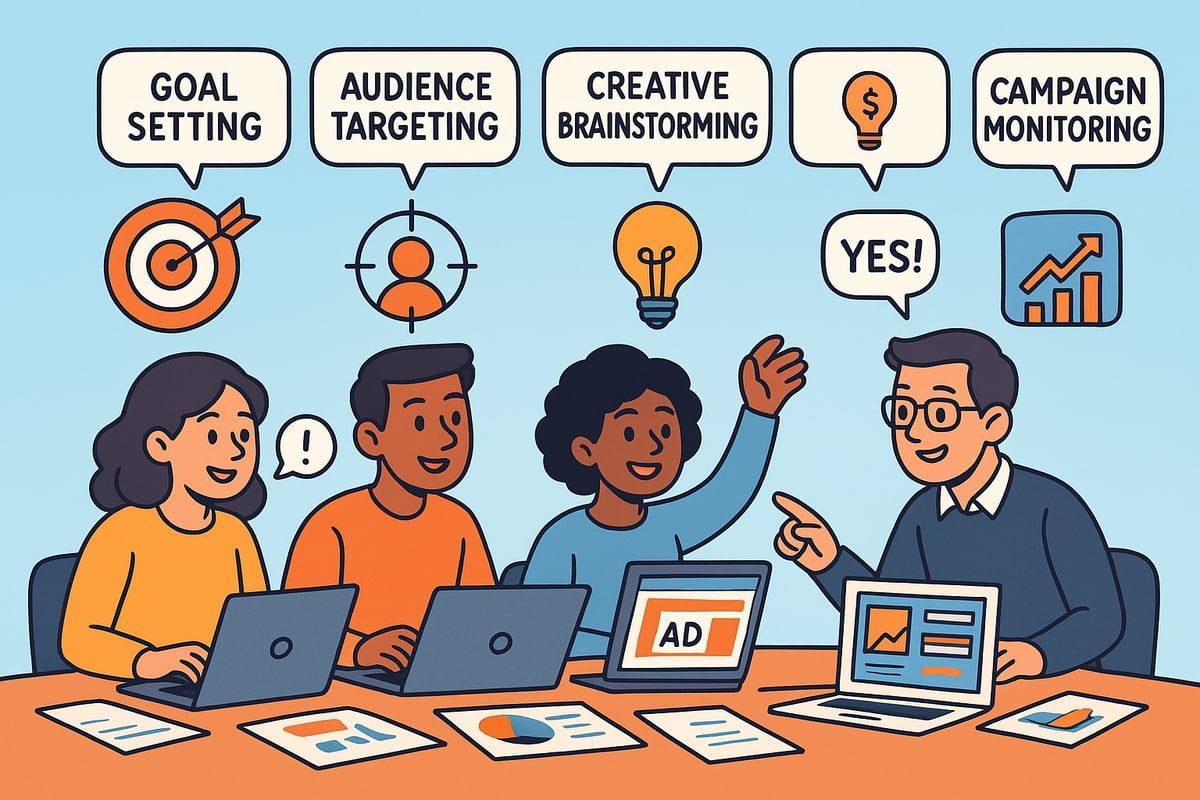
Step 1: Defining Clear Objectives and KPIs
Every successful online ads campaign starts with a solid foundation: clear objectives and measurable key performance indicators (KPIs). Without a roadmap, it’s easy to lose focus or misjudge results. Use the SMART framework—specific, measurable, achievable, relevant, and time-bound—to set goals that truly matter.
For example, are you aiming to boost brand awareness, drive website traffic, or increase conversions? Match your KPIs to your objectives. Common KPIs for online ads include:
- Click-through rate (CTR)
- Cost per acquisition (CPA)
- Return on ad spend (ROAS)
- Brand lift
- Total conversions
If you’re running an awareness campaign, focus on impressions and reach. For performance campaigns, zero in on conversions and ROAS. By aligning your KPIs with your campaign type, you’ll be able to measure progress and pivot quickly if needed. Remember, clear objectives ensure your online ads work as hard as you do.
Step 2: Audience Targeting and Segmentation
Targeting the right audience can make or break your online ads. In 2026, advanced segmentation and data-driven targeting are key to standing out in a crowded digital space. Start by building detailed buyer personas—consider demographics, interests, behaviours, and pain points.
Leverage first-party data collected from your website, CRM, and loyalty programmes. Use lookalike audiences to find new prospects similar to your best customers. Retargeting helps re-engage users who’ve already interacted with your brand.
Here are some targeting strategies to boost your online ads:
- Segment by lifecycle stage, location, or interests
- Use dynamic retargeting for e-commerce to show relevant products
- Combine contextual and behavioural targeting for greater precision
By personalising your approach, your online ads can reach the right people at the right time, maximising campaign impact.
Step 3: Crafting Compelling Creative and Messaging
Creative is where your online ads come alive. In 2026, audiences expect ads that are relevant, engaging, and visually appealing. Start with a strong headline and clear value proposition. Use high-quality visuals or video to grab attention, and ensure your messaging speaks directly to your audience’s needs.
A/B testing is essential for creative optimisation. Test different images, headlines, calls to action, and formats to see what resonates. For example, one brand split-tested two video ads—one with a storytelling approach and another with direct product benefits. The storytelling ad achieved a 30% higher engagement rate.
Tips for effective online ads creative:
- Stick to one key message per ad
- Use contrasting colours and bold fonts for visibility
- Keep copy concise and actionable
- Include a clear, compelling call to action
With ongoing testing and refinement, your creativity will drive better results and help your online ads stand out.
Step 4: Budgeting, Bidding, and Scheduling
Allocating your budget wisely is crucial for the success of your online ads. Decide how much to invest across platforms and campaigns based on your objectives and expected returns. Use both manual and automated bidding strategies, depending on your comfort level and campaign complexity.
Automated bidding tools can help optimize for your chosen KPIs, adjusting bids in real time to maximise performance. Manual bidding gives you more control but requires closer monitoring.
Scheduling is another important element. Consider when your audience is most active and adjust your ad delivery accordingly. For instance, an e-commerce brand saw a 25% lift in conversions by focusing spend during peak evening hours.
Budgeting and bidding checklist for online ads:
- Set daily and total campaign budgets
- Test automated vs. manual bidding
- Use dayparting to allocate spend during high-conversion times
- Monitor spend and adjust as needed to stay on track
Careful planning ensures your online ads get the best results from every pound spent.
Step 5: Launching, Monitoring, and Iterating
Once your online ads are live, the work isn’t over—in fact, it’s just beginning. Set up tracking using UTM parameters and analytics platforms like Google Analytics or Facebook Ads Manager. Real-time monitoring allows you to respond quickly to changes in performance.
Keep a close eye on your KPIs and look for trends. If something isn’t working, don’t be afraid to pivot. For example, one retailer noticed a sharp drop in CTR after two days. They quickly swapped in new creative and saw instant improvement.
Key steps for ongoing optimisation of online ads:
- Review performance daily or weekly
- Adjust targeting, creative, or budget based on results
- Document learnings to inform future campaigns
By embracing an agile approach, you’ll ensure your online ads remain effective, competitive, and ready to adapt to new challenges.
Measuring Success: Analytics, Attribution, and Optimisation
Understanding what success looks like in online ads is more important than ever. With campaigns running across multiple channels and devices, measuring performance accurately helps brands grow and stay ahead. Let’s explore the best ways to track, interpret, and optimize your online ads for 2026.

Advanced Analytics and Tracking Solutions
To master online ads, brands need the right tools for accurate measurement. Google Analytics 4, Facebook Attribution, and third-party solutions offer deep insights into cross-channel performance. These platforms track user journeys, reveal where conversions happen, and show which channels drive results.
Multi-touch attribution is increasingly vital. Rather than crediting a single click, it evaluates every touchpoint in a customer’s journey. This helps marketers allocate budget effectively and understand the real impact of each online ads channel.
For example, using Google Analytics 4’s data-driven attribution, you can see how search, social, and display all contribute to conversions. Want to dive deeper? Our Mastering Google Ads Success guide explains how to unlock even more insights from your online ads data.
Interpreting Key Metrics and Reporting
Once you’re tracking the right data, it’s time to turn numbers into actionable insights. Key online ads metrics include CTR (click-through rate), CPC (cost per click), CPM (cost per thousand impressions), and conversion rate. Each tells a story about your campaign’s health and reach.
Here’s a quick table to summarise:
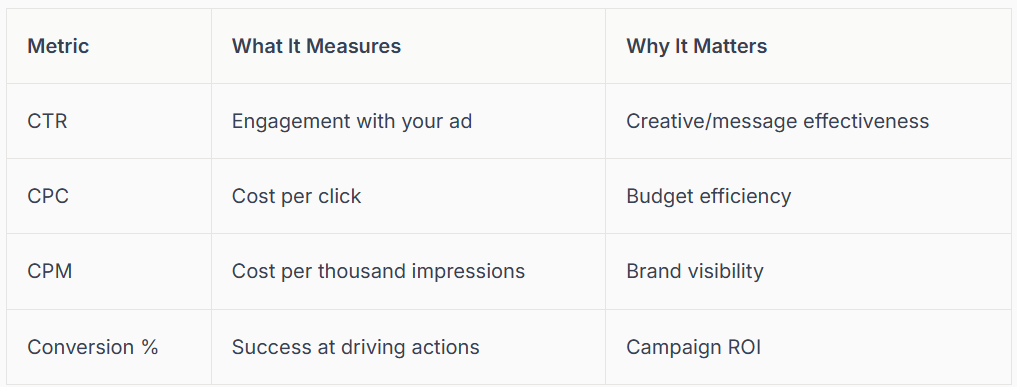
Custom dashboards and automated reports keep stakeholders informed. Monthly reviews help spot trends, compare periods, and identify areas to improve. For retail brands, regular reporting ensures online ads stay aligned with sales goals.
Continuous Optimisation and Scaling
Analysing performance is only the beginning. Continuous optimization keeps your online ads fresh and effective. This means testing new creative, adjusting budgets, and refining targeting based on real-time feedback.
Scaling a successful campaign takes careful planning. Start by increasing spend on top-performing ads, while monitoring efficiency. For instance, a campaign that began with a £1k monthly budget and strong results can be scaled to £10k, provided metrics like CPA and ROAS remain healthy.
Ongoing optimization is a team effort. Use learnings from analytics to adapt quickly, ensuring every pound spent on online ads drives meaningful growth.
Compliance, Brand Safety, and Ethical Advertising in 2026
Keeping up with compliance in online ads has never been more critical. As we move through 2026, brands must navigate a fast-changing landscape where regulations, platform rules, and consumer expectations are constantly shifting. The risks of non-compliance include
ad account suspension, wasted budget, or even legal penalties. That is why understanding the latest ad policy changes and best practices is essential for any business running online ads.
Privacy regulations are driving significant change in online ads. Laws like GDPR and the ePrivacy Directive are forcing platforms to adapt how they handle user data. For instance, Meta has committed to reducing data sharing for European users by 2026 to comply with evolving privacy demands. You can read more about Meta Data Sharing Changes in EU and how this impacts ad targeting and attribution. Brands must now rely more on first-party data and contextual targeting, making transparency and consent management a top priority.
Brand safety has also become a core focus for advertisers. Major platforms are strengthening their policies to prevent ads from appearing alongside harmful or controversial content. Tools like third-party verification and advanced filters help businesses protect their reputation. For example, when a leading brand found its display ads placed next to inappropriate content, it swiftly paused the campaign, reviewed placements, and demanded greater transparency from its media partners. This proactive response not only safeguarded the brand image but also reassured customers of its commitment to responsible online ads.
Ethical advertising is more than just following the rules. It means avoiding manipulative tactics, misleading claims, or targeting vulnerable audiences. As consumers become more aware of how online ads work, transparency is key to building trust. Clear disclosures and honest messaging help brands stand out in a crowded digital space. By prioritising compliance, brand safety, and ethics, businesses can future-proof their online ads strategy, foster loyalty, and drive long-term success.
Future-Proofing Your Online Advertising Strategy
Staying ahead in
online ads is essential for long-term growth. The digital world keeps shifting, and what works today may need a rethink tomorrow. By future-proofing your online ads approach, you can keep your brand visible and competitive, no matter what the next big change brings.
Embracing Innovation and Staying Agile
Innovation is the heartbeat of successful online ads. As new formats and platforms pop up, early adopters often see the biggest rewards. Being agile means testing new ideas and quickly adapting to what works.
For example, generative AI is already transforming how brands create and deliver online ads. According to recent research, nearly 90 percent of advertisers plan to use AI for building video ads by 2026. This shift is speeding up creative production and opening new ways to engage audiences.
How can you stay agile?
- Test new ad formats early.
- Allocate a portion of your budget for experimentation.
- Review results and pivot quickly if needed.
Investing in First-Party Data and Customer Relationships
As privacy rules tighten, first-party data is the new gold for online ads. Building genuine relationships with your audience lets you collect data directly from those who matter most. This data powers better targeting, personalisation, and loyalty.
Effective strategies include:
- Launching loyalty programmes to reward engagement.
- Collecting data through opt-in forms, surveys, and feedback tools.
- Using CRM systems to unify and activate customer data.
Brands using first-party data in their online ads often see higher engagement and improved ROI. When you know your audience, you can speak to them in ways that truly resonate.
Upskilling Teams and Leveraging Technology
People and technology are the backbone of future-ready online ads. Training your team on the latest tools, from analytics to creative AI, keeps everyone sharp and confident. Embracing automation can free up time for strategy and creative thinking.
Consider these steps:
- Offer regular training on new ad platforms and analytics tools.
- Encourage learning about AI and automation in digital marketing.
- Integrate martech solutions to streamline your workflows.
With a skilled team and the right tech, your online ads will be more efficient, adaptable, and impactful.
Anticipating Future Challenges and Opportunities
Future-proofing online ads means expecting change, not fearing it. Keep an eye on trends, from new regulations to emerging platforms. Build flexible strategies that can shift as the landscape evolves.
Smart marketers:
- Monitor regulatory updates and prepare for compliance.
- Use scenario planning to map out possible industry shifts.
- Stay connected with your audience to spot new opportunities.
By weaving adaptability into your online ads strategy, you ensure your brand is ready for whatever comes next. We can all thrive by learning, testing, and growing together.
As we look ahead to the fast-changing world of online ads, it’s clear that staying ahead means more than just following the latest trends—it’s about building trust and getting your local presence right too. If you’re ready to put these strategies into action and want a genuine partner who understands the unique challenges of UK businesses, we’re here to help. From getting your Google Business Profile verified to ongoing support when things get tricky, you don’t have to navigate it alone. Let’s take your digital success to the next level—Contact connect SEO Today.