Essential Guide to Pay Per Click Advertising in 2026
Digital marketing is evolving at lightning speed, and pay per click advertising has become more crucial than ever in 2026. Did you know businesses are seeing record returns thanks to smarter PPC strategies and new technology?
This essential guide is here to help you unlock the full potential of pay per click advertising. Whether you are a business owner or a marketing professional, you will find clear steps and expert insights to boost your results.
We will walk you through the basics, reveal the latest trends, show you how to set up winning campaigns, optimize performance, and predict what is next. Ready to master PPC and stay ahead in 2026? Dive into each section and discover future-proof strategies designed for your success.
Understanding Pay Per Click (PPC) Advertising: The 2026 Landscape
Pay per click advertising remains a cornerstone of digital marketing in 2026. At its core, pay per click advertising means businesses only pay when someone actually clicks their ad. This model ensures every pound spent works toward genuine engagement, not just passive impressions. In 2026, the “pay per click” terminology is widely adopted to emphasise the precision and accountability modern platforms now offer, helping brands connect with high-intent audiences more effectively than ever.
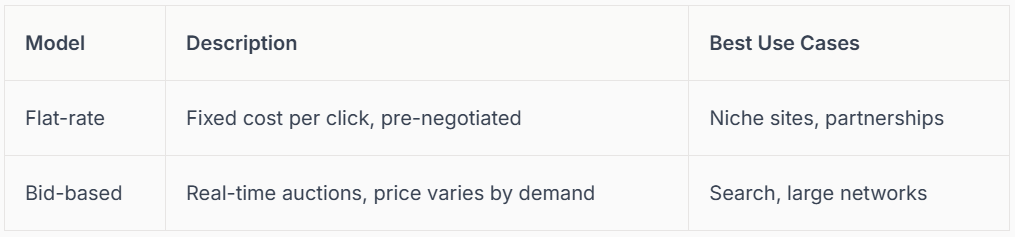
Let’s explore the two main pay per click advertising models that drive today’s campaigns:
flat-rate and bid-based. In the flat-rate model, advertisers and publishers agree on a fixed cost per click. This approach provides predictability and is often used in niche markets or for long-term partnerships. The bid-based model, however, is more dynamic. Here, advertisers compete in real-time auctions, setting the highest price they’re willing to pay for a click. The platform’s algorithm then decides which ads appear, factoring in bid, ad quality, and relevance.
When it comes to platforms, pay per click advertising is everywhere. Google Ads still leads the pack, but Microsoft Advertising, Meta’s suite, TikTok, LinkedIn, and emerging networks all offer robust PPC solutions. Each platform caters to different audiences and industries, making it crucial to choose wisely based on your campaign goals. For example, B2B brands might favour LinkedIn, while consumer-focused companies thrive on TikTok or Instagram.
Pay per click advertising is now deeply woven into the fabric of digital marketing. It delivers measurable results, allowing businesses to target users by keyword, intent, location, device, and more. Recent data shows global search ad spend is projected to reach $351.55 billion in 2025, with PPC accounting for a significant share of digital ad budgets. Average click-through rates (CTR) for search ads hover around 6–7%, while display and video ads average 1.5–2%. This demonstrates the effectiveness and versatility of per per click advertising across industries.
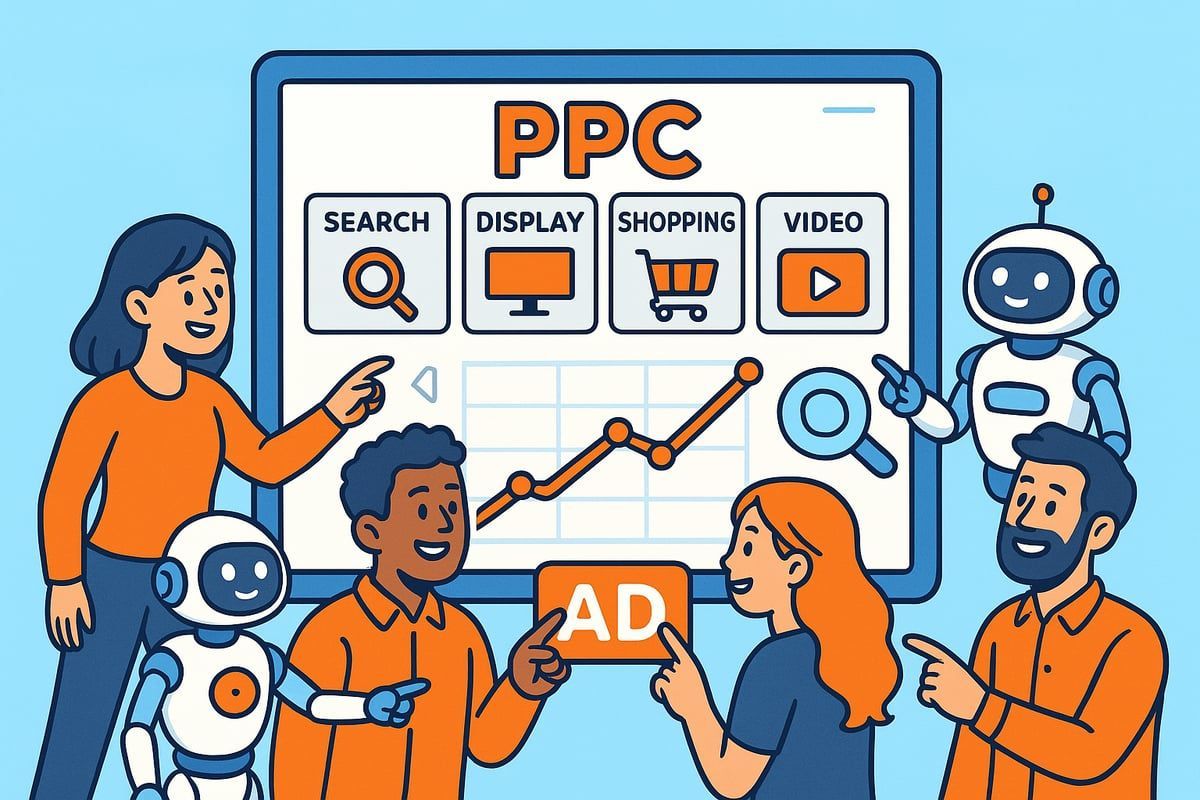
Let’s look at some real-world examples of how per per click advertising appears in action:
- Search ads: Text-based ads at the top of Google or Bing results.
- Display ads: Visual banners on news sites or blogs.
- Shopping ads: Product listings with images and prices.
- Video ads: Short clips before or during YouTube content.
The landscape has evolved rapidly since 2024. Automation and AI-driven bidding are now standard, helping marketers optimize campaigns in real time. Platforms leverage machine learning to predict which users are most likely to convert, adjusting bids and targeting on the fly. According to recent industry reports, AI-driven PPC optimisation tools can improve campaign performance by up to 30%. This leap in efficiency allows even small businesses to compete with larger players.
So, why is pay per click advertising still essential in 2026? The answer is simple: it delivers targeted, measurable growth. Brands can reach the right audience at the right moment, adjust strategies instantly, and track ROI with precision. In a competitive digital world, per per click advertising gives businesses the agility and insight needed to stand out, adapt, and thrive.
Types of PPC Advertising and Their Strategic Uses in 2026
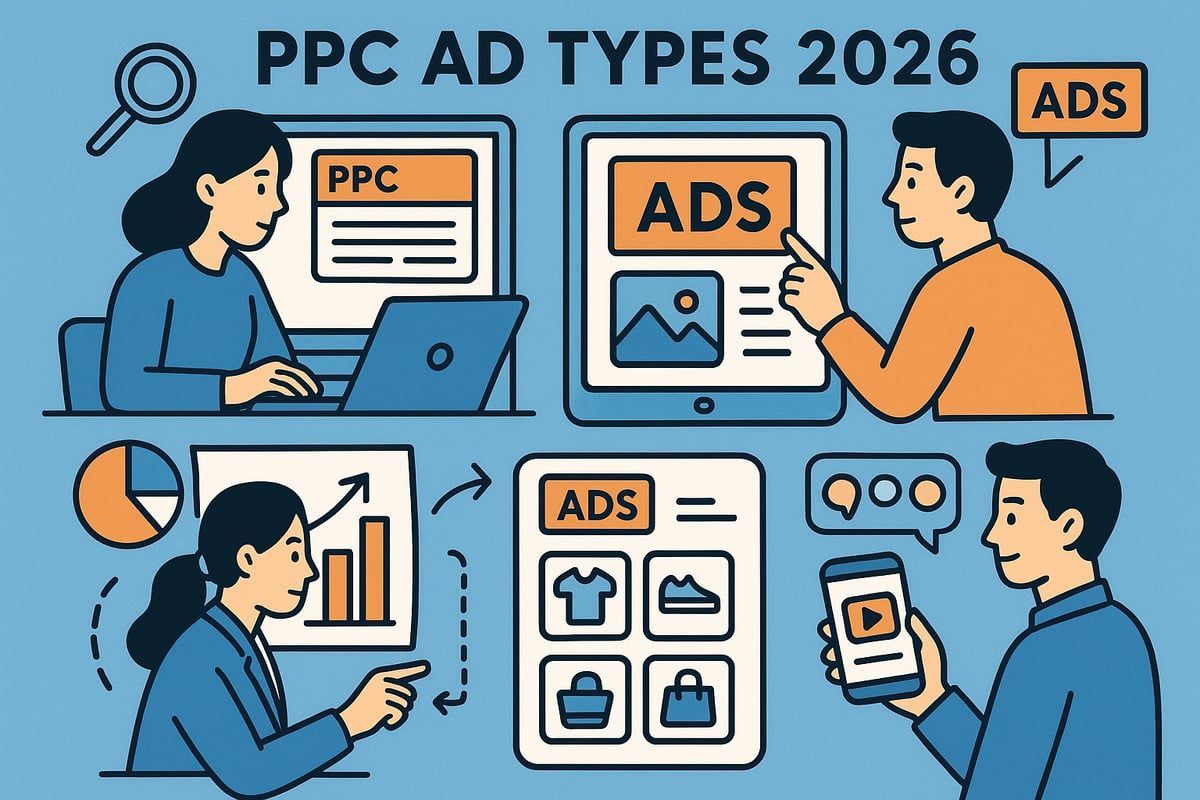
Pay per click advertising has evolved into a dynamic toolkit for businesses aiming to connect with the right audience at the right time. In 2026, advertisers face a landscape packed with choices, each offering unique strategic advantages. When we understand how these types work together, we unlock the full potential of per per click advertising for our brands.
Major Types of Pay Per Click Advertising in 2026
Let’s break down the most important
pay per click advertising formats:
- Search Ads: These text-based ads appear at the top of search engine results. Perfect for capturing high-intent users searching for specific products or services. In 2026, they still commanded the largest share of PPC budgets, with an average click-through rate (CTR) hovering around 6.2%.
- Display Ads: Found across millions of websites, display ads use images and banners to capture attention. They are ideal for brand awareness and retargeting, often costing less per click than search ads.
- Shopping Ads: These visually rich ads showcase products directly in search results, complete with prices and images. E-commerce brands rely on them for high conversion rates, which average 8.1% in 2026.
- Video Ads: Platforms like YouTube and TikTok make video ads essential for storytelling and engagement. Video formats continue to gain market share, especially for brand-building campaigns.
- Social PPC Ads: Social platforms, including Meta and LinkedIn, offer targeted ads based on user interests, behaviours, and demographics. These are powerful for both B2B and B2C brands.
- Remarketing Ads: These ads follow users who have interacted with your site, reminding them to return and convert. Remarketing boasts some of the highest ROI, with a conversion rate of 12% on average.
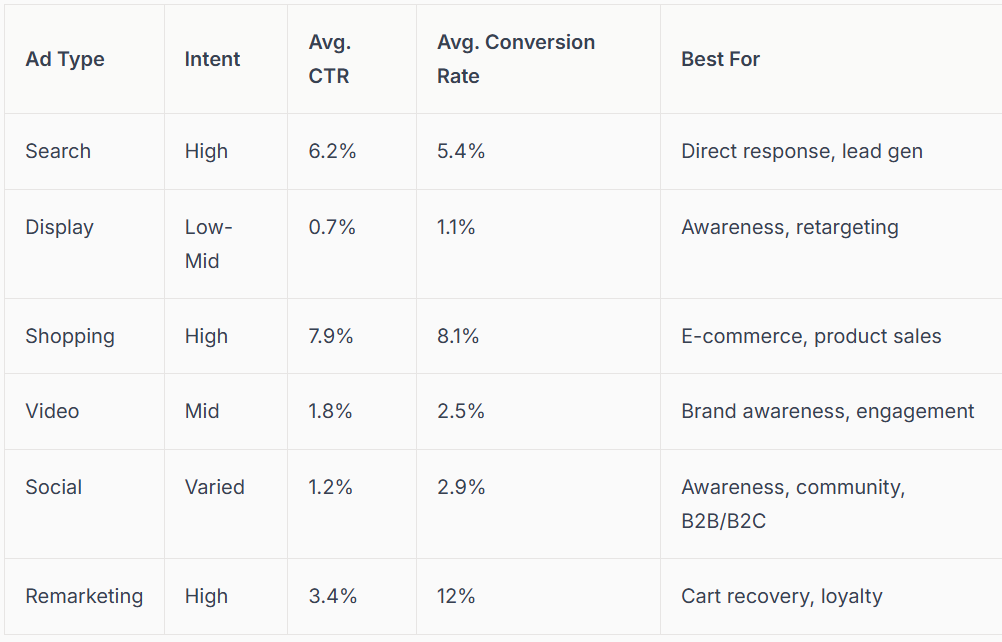
Each type of pay per click advertising serves a different intent and stage of the customer journey. For example, a fashion retailer might use Shopping ads for immediate sales, while a SaaS brand combines search and remarketing for lead nurturing.
Emerging Formats and Aligning PPC with Business Goals
In 2026,
pay per click advertising is seeing exciting new formats. AI-generated creatives now allow ads to be tailored in real time, increasing relevance and engagement. Voice search ads are also rising, targeting users who search hands-free, often with high purchase intent.
Dynamic ad personalisation is another game-changer. Using AI, ads adjust content and offers on the fly, matching individual user profiles. This boosts conversion rates and makes every click count.
Choosing the right type of pay per click advertising depends on your business goals. If you’re launching a product, video and social ads can build buzz quickly. For driving sales, Shopping and remarketing ads offer the best path. When targeting professionals, LinkedIn’s PPC options are tailored for B2B lead generation.
Why a Multi-Channel PPC Strategy Matters
Relying on just one type of pay per click advertising limits your reach. The most successful brands in 2026 weave together search, display, video, social, and remarketing into a unified strategy. This multi-channel approach ensures you’re visible at every stage of the customer journey.
With ad spend shifting, Shopping and video ads now capture almost 40% of total PPC budgets. Combining formats maximises exposure and ROI, letting us meet customers wherever they are.
Ultimately, by embracing the full spectrum of per per click advertising, we create campaigns that are flexible, resilient, and ready for whatever the digital future brings.
Setting Up a High-Performing PPC Campaign: Step-by-Step Guide
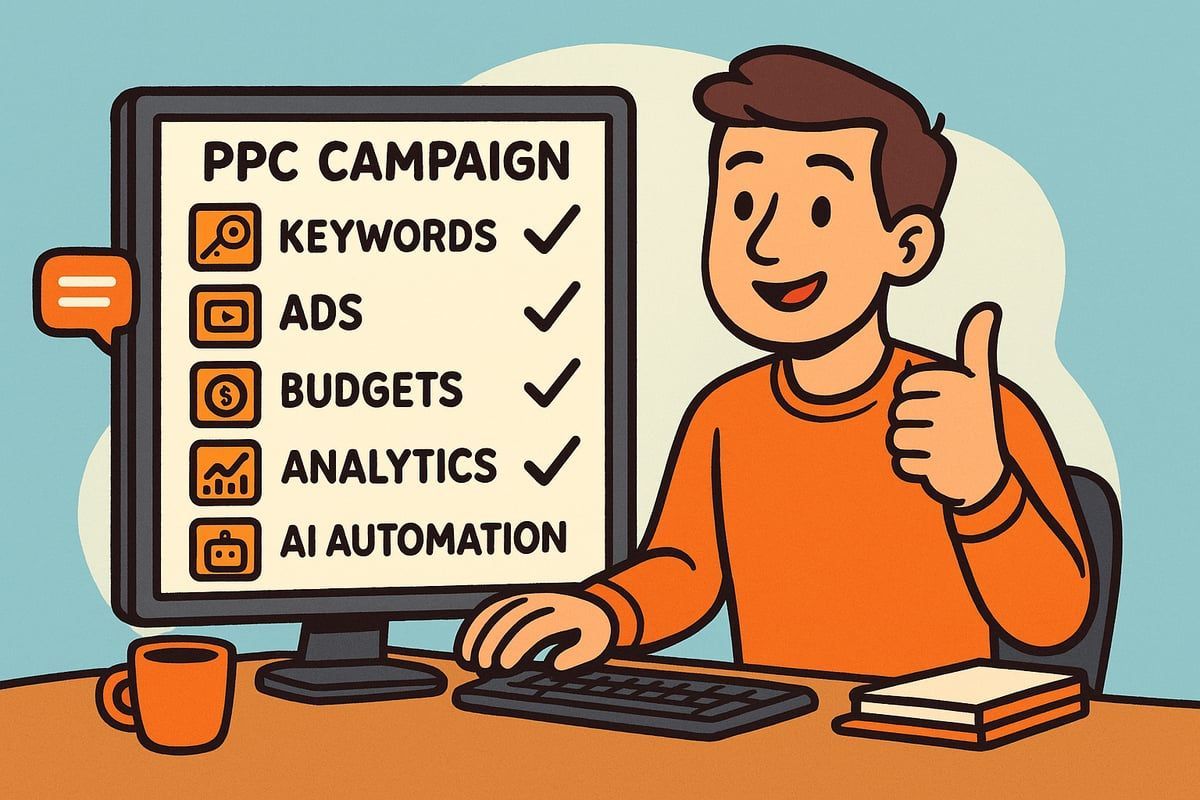
Launching a successful pay per click advertising campaign in 2026 is both exciting and rewarding. Whether you are new to PPC or looking to refine your approach, following a structured process is key. Let us walk through each essential step together to make sure your campaign achieves its full potential.
Step 1: Define Your Objectives and KPIs
Every pay per click advertising campaign starts with a clear goal. Are you aiming for more leads, direct sales, or simply brand awareness? By setting specific objectives and key performance indicators (KPIs), you create a roadmap for your campaign.
Here is a quick table to help you match objectives with common KPIs:
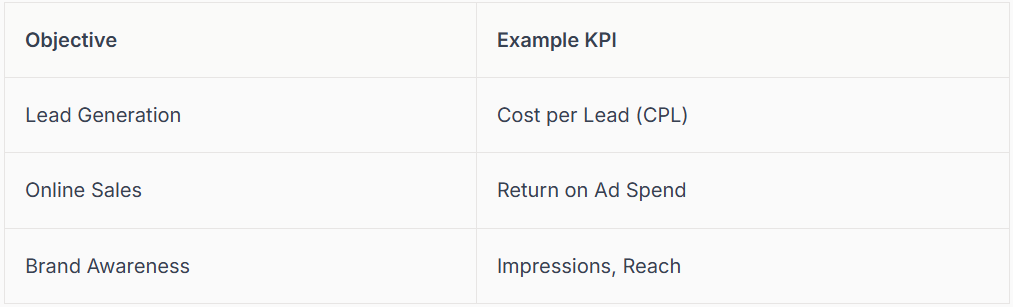
Knowing your destination makes it easier to measure success and optimize along the way.
Step 2: Conduct Keyword and Audience Research
In 2026, pay per click advertising success depends on understanding both your keywords and your ideal audience. Use advanced tools that harness AI to discover relevant search terms and segment users by intent, demographics, and behaviour.
Ask yourself: Who is your ideal customer? What are they searching for? By targeting the right keywords and audiences, you ensure your ads reach those most likely to convert.
Step 3: Select the Best Ad Type and Platform
Choosing the right ad format and platform is vital for
pay per click advertising. Consider your goals: search ads are excellent for capturing high intent, while display and video ads build awareness. Shopping ads work wonders for e-commerce, and social platforms like Meta or TikTok can boost engagement.
Think about where your audience spends their time. A B2B company might focus on LinkedIn, while a fashion brand could thrive on Instagram. Match your strategy to your business needs for the best results.
Step 4: Craft Compelling Ad Copy and Creatives
Great pay per click advertising stands out with captivating ad copy and visuals. In 2026, AI-driven creative tools can help you generate headlines, descriptions, and images tailored to your audience segments.
Focus on clarity, benefits, and a strong call to action. Test multiple versions to discover what resonates. Remember, your ad is your first impression—make it count.
Step 5: Set Budgets, Bids, and Targeting Parameters
Setting the right budget and bidding strategy is crucial for pay per click advertising ROI. Decide how much you can invest daily or monthly. Use automated bidding options powered by AI to maximise results, or opt for manual control if you prefer.
Define your targeting parameters, such as location, device, and time of day. This ensures your ads show to the right people at the right moment.
Step 6: Launch and Monitor Your Campaign
With everything in place, it is time to launch your
per per click advertising campaign. Monitor performance closely from day one. Use real-time dashboards to track clicks, conversions, and spend.
Stay agile—be ready to make quick adjustments if certain ads or keywords underperform. Consistent monitoring is your secret weapon for ongoing improvement.
Step 7: Implement Conversion Tracking and Analytics
No pay per click advertising campaign is complete without robust tracking. Set up conversion pixels or event tracking using code like:
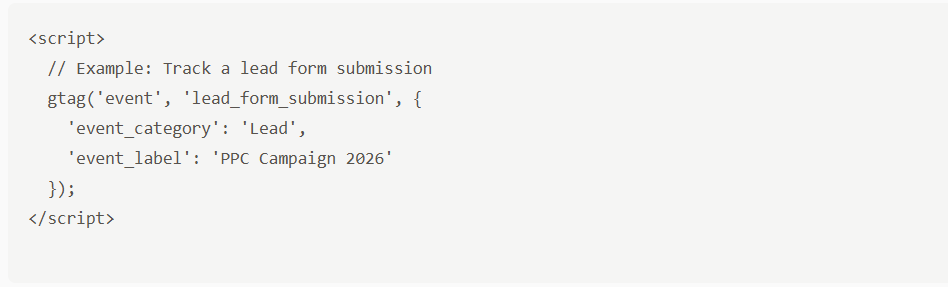
Integrate your PPC data with analytics platforms. This gives you a full view of your customer journey and enables smarter decisions.
Example: Chronological Walkthrough for a Local Service Business
Let us say you run a plumbing service in London. You start your per per click advertising journey by defining your goal: more emergency call-outs. After researching keywords like "24-hour plumber London," you target local homeowners on Google Ads.
You choose search ads, craft a headline like "Fast 24-Hour Plumbing in London," and set a daily budget. Once live, you monitor calls and tweak your targeting for peak hours. Conversion tracking shows which keywords drive the most bookings, helping you refine your campaign for even better results.
Common Setup Mistakes to Avoid in 2026
Even experienced marketers can stumble. Watch out for these common pay per click advertising pitfalls:
- Neglecting negative keywords, leading to wasted spend
- Overlooking mobile optimisation for ads and landing pages
- Failing to track conversions from the start
- Setting unclear objectives or unrealistic budgets
For more advice on maximising ROI and avoiding costly errors, explore our guide on Professional PPC Management for WordPress.
Final Thoughts
Setting up a high-performing pay per click advertising campaign is a journey of planning, testing, and learning. By following these steps and staying curious, you will be well on your way to PPC success in 2026.
Optimising and Managing PPC Campaigns for Maximum ROI
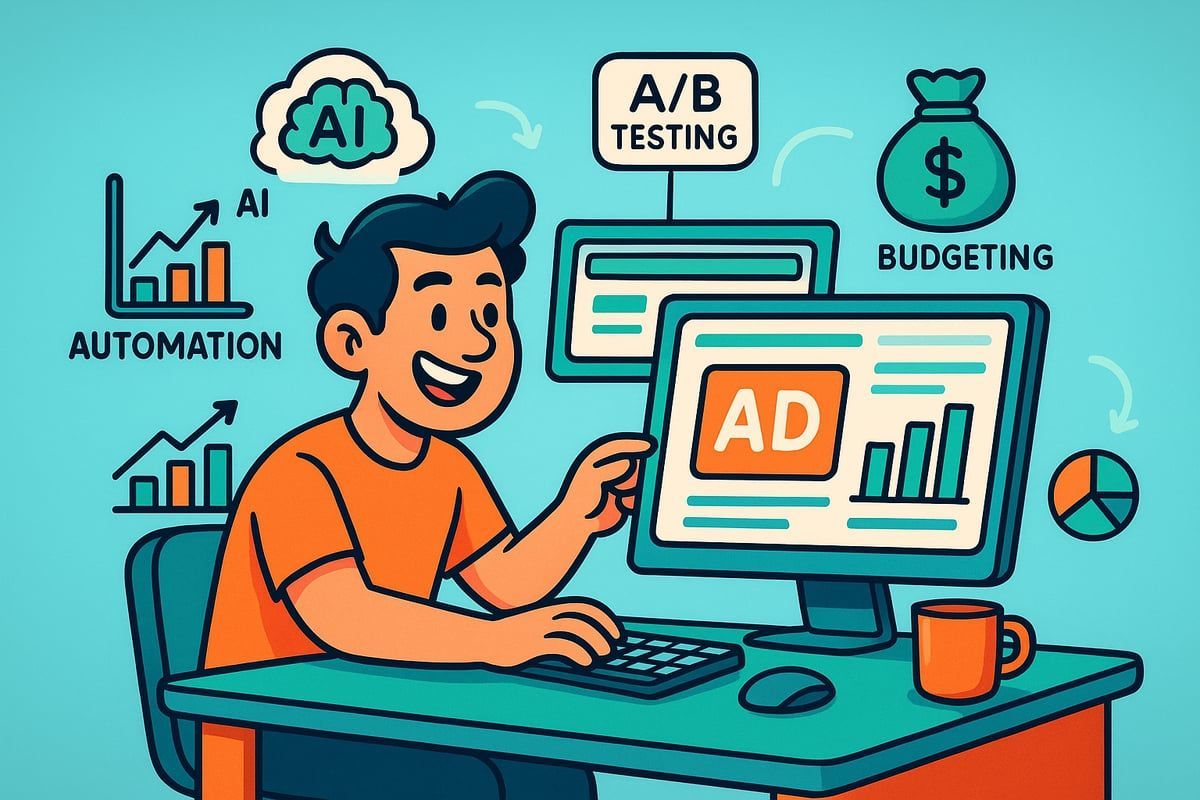
Maximising your return on investment with pay per click advertising in 2026 is all about smart, ongoing optimisation. The digital landscape is more competitive than ever. To stand out and capture your ideal audience, you need a proactive approach that blends data, creativity, and technology.
Let’s break down the essential strategies to help your campaigns thrive.
Smarter Bid Management: Manual vs. Automated
Bid management is the heartbeat of pay per click advertising success. In 2026, most platforms offer advanced automation, but manual oversight still plays a crucial role. Automated bidding uses AI to adjust your bids in real time, helping you win auctions efficiently. For example, if you’re running ads for a local service, AI can raise bids during peak hours and lower them when demand drops.
Manual strategies give you greater control, letting you fine-tune bids for high-value keywords or specific audiences. The best results often come from a hybrid approach: trust automation for day-to-day adjustments, but step in to tweak settings based on your unique goals.
This balance ensures your pay per click advertising budget works harder for you, capturing opportunities as they arise.
A/B Testing: The Key to Continuous Improvement
A/B testing is your secret weapon for campaign growth. By comparing two versions of your ad copy, images, or landing pages, you can see what resonates with your audience. Test everything from headlines to calls-to-action and even colour schemes.
Regular testing helps you adapt quickly to changing trends and consumer preferences. In 2026, tools powered by AI make it easier to run and analyse tests at scale. The insights you gain will directly impact your pay per click advertising results, driving higher click-through and conversion rates.
Here’s a quick example:
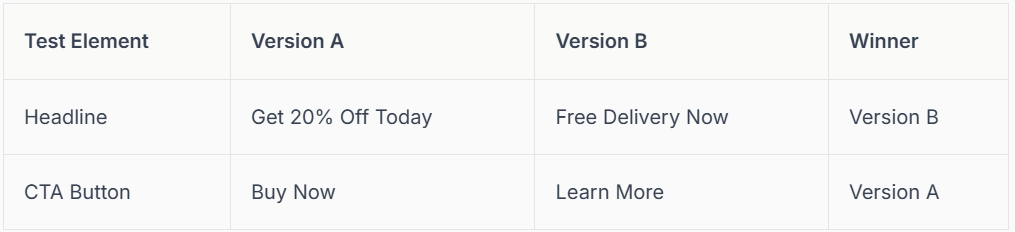
Keep experimenting and learning. Even small changes can lead to significant improvements.
Quality Score & Ad Rank: Optimising for Better Placement
Your Quality Score and Ad Rank determine where your ads appear and how much you pay. Search engines assess several factors, including ad relevance, expected click-through rate, and landing page experience. Higher scores mean better ad positions and lower costs.
To boost these metrics in per per click advertising, focus on tightly themed keyword groups, compelling ad copy, and fast, mobile-friendly landing pages. Use negative keywords to filter out irrelevant traffic and improve overall campaign performance.
If you’re looking for more actionable tips, check out these proven ways to improve Google Ads performance for step-by-step guidance.
Negative Keywords: Reducing Waste and Boosting ROI
Negative keywords are the unsung heroes of pay per click advertising. By telling platforms which searches you don’t want your ads to show for, you eliminate wasted spend and keep your targeting laser-focused.
For example, if you’re a premium service provider, adding “cheap” as a negative keyword prevents bargain hunters from seeing your ads. Review your search terms report regularly and update your negative list to stay ahead of changing trends.
This simple habit can make a big difference in campaign efficiency and ROI.
Budget Reallocation: Follow the Data
Optimising your pay per click advertising budget is an ongoing process. Regularly analyse your campaign data to spot which ads, keywords, or audiences are outperforming the rest. Shift more budget into high-converting segments and reduce spend on underperformers.
In 2026’s fast-paced environment, automation tools can help you reallocate funds automatically, but don’t forget to review the data yourself. Human judgement is still key when aligning spend with your business goals.
ROI Improvements: What Can You Expect?
Campaign optimisation isn’t just a best practice, it’s a proven path to better results.
Here’s a snapshot of typical ROI improvements from focused optimisation efforts:
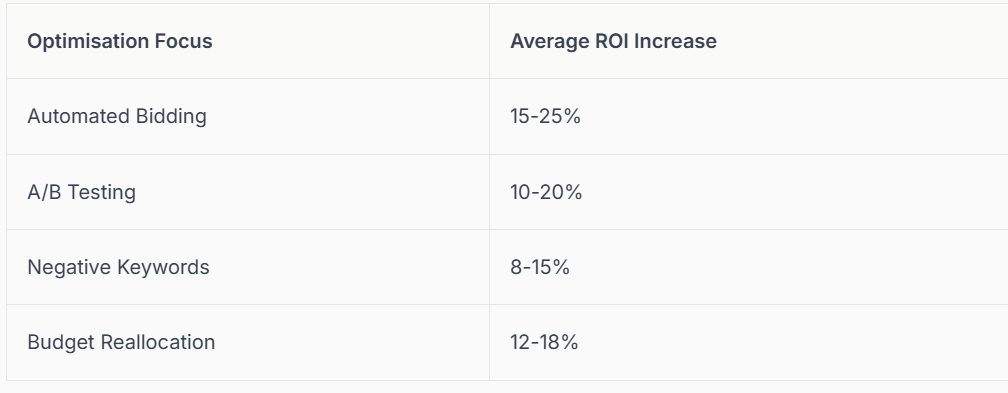
These figures show the real impact of refining your pay per click advertising approach.
Avoiding Common Mistakes
Even experienced marketers can fall into costly traps. Common missteps include neglecting negative keywords, failing to update ad copy, or relying too heavily on automation without oversight. For an in-depth look at pitfalls to avoid, explore
common PPC mistakes in London and learn how to keep your campaigns on track.
Remember, the most successful pay per click advertising campaigns are built on a foundation of continuous learning and adaptation. Don’t be afraid to test, tweak, and try new strategies.
In summary, mastering pay per click advertising in 2026 means embracing automation, staying curious, and never settling for “good enough.” Regular optimisation is the bridge between average campaigns and those that deliver exceptional ROI. Let’s keep striving for better results together.
The Future of PPC: Trends and Predictions for 2026 and Beyond
The world of pay per click advertising is changing fast, and 2026 promises to be a year of remarkable transformation. As digital marketers, we’re not just adapting to new tools—we’re embracing a bold new landscape where automation, personalisation, and privacy are reshaping everything we know. Let’s explore what’s on the horizon and how your business can thrive with per per click advertising in this future-focused environment.
AI and Automation Take Centre Stage
Artificial intelligence is now the beating heart of pay per click advertising. From predictive bidding to dynamic creative testing, AI streamlines every campaign touchpoint. In 2026, most platforms have made AI-powered campaign management the default, allowing marketers to focus on strategy rather than manual tasks.
AI analyses massive datasets in real time, adjusting bids and targeting for optimal results. This shift means campaigns can react instantly to market trends, giving businesses an edge. For example, a retailer can launch a new product and have AI test hundreds of ad variations, finding top performers in hours. The result? Higher ROI and more efficient per per click advertising for all.
The Rise of Voice, Visual, and Conversational Search
Search isn’t just about typing anymore. In 2026, voice and visual search are mainstream, and per per click advertising has evolved to match. Brands now create campaigns tailored for voice queries—think “Hey, where’s the nearest vegan bakery?”—and visual search, where shoppers snap a photo and see relevant ads.
Conversational PPC ads, powered by chatbots and AI, engage users directly in messaging apps or on smart devices. This new landscape means marketers can reach customers at every step, from quick questions to in-depth product comparisons. Ad formats are more interactive, personal, and context-aware, making per per click advertising more engaging than ever.
Navigating Privacy, Tracking, and Regulation
Privacy is front and centre in 2026. With cookies fading out and data laws tightening, tracking and targeting have changed. Pay per click advertising now relies on first-party data, consent-based targeting, and privacy-first analytics.
Brands must build trust by being transparent about data use. Contextual targeting is making a comeback, and advanced algorithms ensure ads are still highly relevant without overstepping privacy boundaries. Regulatory shifts mean marketers need to stay informed and agile. Those who adapt quickly can maintain strong performance, even as the rules evolve, keeping pay per click advertising both ethical and effective.
Exploring Alternative Networks and Decentralised Platforms
The PPC ecosystem is no longer dominated by just a few giants. In 2026, alternative ad networks and decentralised platforms are gaining ground. These channels offer new ways to reach niche audiences, often with lower competition and innovative ad formats.
Decentralised platforms, powered by blockchain, promise greater transparency and control for both advertisers and users. As these networks grow, businesses can diversify their pay per click advertising strategy, spreading risk and tapping into fresh audiences. A multi-channel approach is now essential for maximising reach and ROI.
Future-Proofing Your Pay Per Click Advertising Strategy
How can your business stay ahead? Start by embracing automation and keeping up with new ad formats. Invest in privacy-first data strategies and explore emerging networks. The market is booming—global search ad spend is projected to reach $351.55 billion in 2025, and growth is set to continue.
Let’s learn from brands that have thrived by adapting quickly. For instance, a fashion retailer shifted to contextual targeting and saw engagement soar, even as privacy rules tightened. The key is flexibility: test new tactics, track results, and never stop learning.
In summary, pay per click advertising in 2026 is about blending technology, creativity, and ethics. By staying curious and proactive, we can all future-proof our campaigns and continue to grow in this dynamic digital landscape.
As we’ve explored together, getting your pay per click strategy right in 2026 means so much more than just setting up ads—it’s about understanding the landscape, making smart choices, and optimising every step for your business’s real goals. If you’re ready to take the next step and want hands-on guidance from people who genuinely get both your trade and the power of local search, we’re here for you. Let’s unlock new opportunities and ensure your business stands out where it matters most.
Contact connect SEO Today
We’re in this together—let’s help your business shine.