Types of Advertising: A Complete Guide for 2026
Understanding the various types of advertising available today is essential for any business looking to connect with customers effectively. Whether you're a tradesman wanting to appear in local searches or a retailer seeking nationwide recognition, choosing the right advertising approach can make all the difference. In 2026, businesses have more advertising options than ever before, from traditional print media to sophisticated digital campaigns. This guide explores the most effective types of advertising and helps you determine which channels deserve your investment.
Digital Advertising: The Modern Marketing Powerhouse
Digital advertising has revolutionised how businesses reach their audiences. Unlike traditional methods, digital channels offer precise targeting, measurable results, and the flexibility to adjust campaigns in real-time.
Search Engine Advertising
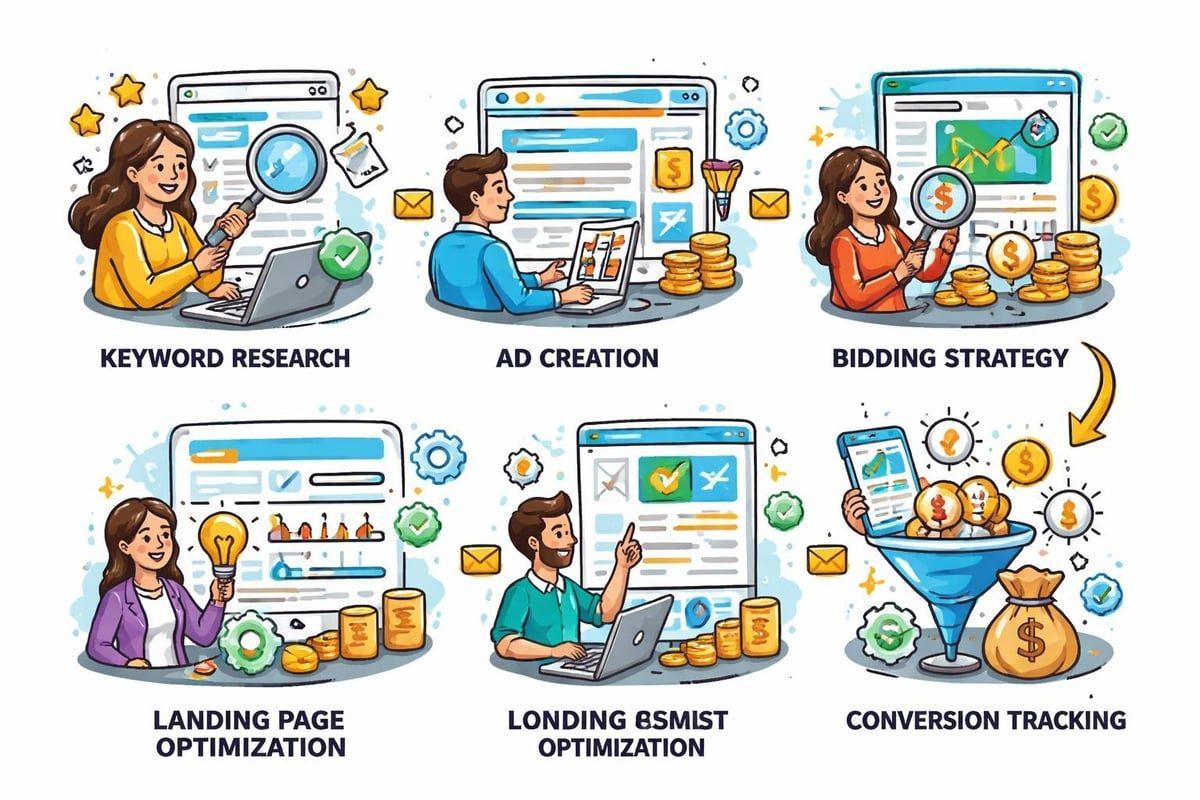
Search engine advertising places your business at the top of search results when potential customers look for products or services you offer.Google Ads management
remains one of the most effective types of advertising because it captures high-intent customers actively searching for solutions.
Key benefits of search advertising include:
- Immediate visibility for relevant searches
- Pay-per-click pricing that controls costs
- Detailed performance tracking
- Geographic and demographic targeting
- Conversion-focused campaigns
The beauty of search advertising lies in its intent-based approach. When someone searches "emergency plumber near me," they're ready to hire. Your advert appears exactly when they need you most.
Social Media Advertising
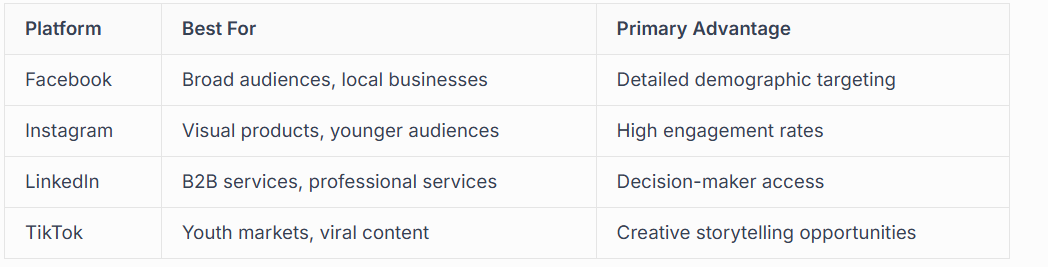
Social platforms have become crucial advertising venues where businesses build brand awareness and engage directly with customers. Facebook, Instagram, LinkedIn, and TikTok each offer unique targeting capabilities based on user interests, behaviours, and demographics.
These platforms excel at building communities around your brand. You're not just advertising; you're creating conversations and relationships that extend beyond a single transaction.
Social media advertising works particularly well when combined with organic content strategies. Consistent posting builds trust, whilst paid promotion extends your reach to new audiences.
Display Advertising
Display advertising uses visual banners, images, and interactive content across websites and apps.The different types of advertising within the display category range from static banners to rich media animations that engage users through interactive elements.
Display campaigns excel at brand awareness and retargeting. When someone visits your website but doesn't convert, display adverts can follow them across the web, gently reminding them of your services.
Traditional Advertising: Still Relevant in 2026
Despite digital dominance, traditional advertising types maintain significant value for certain businesses and demographics. Many customers still discover local services through print directories, radio spots, and outdoor advertising.
Print Advertising
Newspapers, magazines, trade publications, and direct mail continue reaching audiences who prefer tangible media. Local newspapers remain particularly effective for tradespeople and service businesses targeting older demographics.
Print advertising strengths:
- Credibility and trustworthiness
- Longer shelf life than digital ads
- Less competition for attention
- Strong local market penetration
- Tangible presence customers can keep
Print works brilliantly when combined with digital strategies. A well-placed magazine advert drives traffic to your website, whilst direct mail postcards encourage online reviews or social media engagement.
Broadcast Advertising
Television and radio advertising reach mass audiences, though costs typically limit these channels to larger businesses. Local radio, however, remains accessible and effective for regional service providers.
Radio advertising offers consistent brand exposure during commute times when potential customers are planning their day. A memorable jingle or compelling offer can drive significant enquiries, especially when combined with strong calls to action.
Outdoor Advertising
Billboards, bus shelters, vehicle wraps, and transit advertising create constant brand exposure in high-traffic areas. For local businesses, a well-positioned billboard near your service area builds familiarity and trust.
Vehicle wraps transform your work van into a mobile billboard, generating impressions wherever you travel. This passive advertising continues working whilst you're on the job, turning every journey into a marketing opportunity.
Local Search Advertising: The Game-Changer for Service Businesses
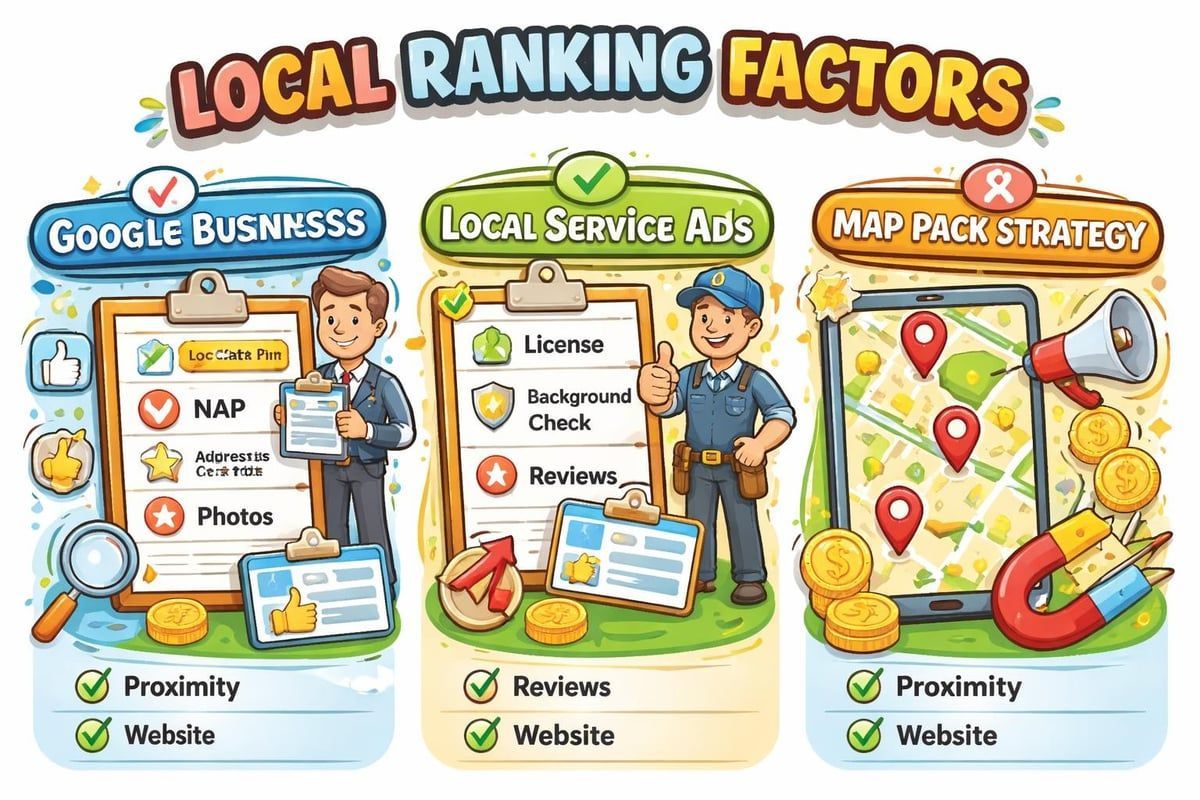
Local search advertising represents one of the most valuable types of advertising for businesses serving specific geographic areas. When optimised correctly, your business appears prominently in Google Maps and local search results.
Google Business Profile Optimisation
Your
Google Business Profile verification forms the foundation of local search visibility. Without verification, your business may not appear in Google Maps, and customers are less likely to trust unverified listings.
A properly verified and optimised profile includes:
- Accurate business information and hours
- High-quality photos of your work
- Service area specifications
- Regular posts and updates
- Customer reviews and responses
- Booking buttons and direct messaging
Competitors with verified profiles appear above unverified businesses in search results. This visibility difference can mean the difference between a full diary and struggling to find customers.
Local Service Ads
Local Service Ads appear at the very top of search results, above traditional pay-per-click adverts. These premium placements feature the Google Guaranteed badge, building immediate trust with potential customers.
Unlike standard advertising where you pay per click, Local Service Ads charge per valid lead. You only pay when genuine customers contact you, making this one of the most cost-effective types of advertising for qualified tradespeople.
Content Marketing and Native Advertising
Content marketing doesn't look like traditional advertising, making it particularly effective in an age of ad fatigue. By providing valuable information, you attract customers naturally whilst building authority in your field.
Blog Posts and Articles
Educational content answers customer questions before they even contact you. When someone searches "how to choose a reliable electrician," a comprehensive blog post positions you as the expert whilst subtly highlighting your services.
This approach works because you're helping first and selling second. Customers appreciate the transparency and knowledge-sharing, making them more likely to choose you when they're ready to hire.
Video Content
Video advertising has exploded across YouTube, social media, and websites. Short-form videos demonstrate your expertise, showcase completed projects, and build personal connections with potential customers.
Effective video content types:
- Project walkthroughs and before/after transformations
- Customer testimonials and case studies
- Educational how-to guides
- Behind-the-scenes business operations
- Quick tips and industry insights
Videos create emotional connections that text alone cannot achieve. Seeing your face, hearing your voice, and watching your craftsmanship builds trust before customers ever contact you.
Sponsored Content
Native advertising blends promotional content seamlessly into editorial environments.
Various advertising formats include sponsored articles in trade publications, influencer partnerships, and promoted posts that match the platform's organic content.
This subtlety makes native advertising less intrusive whilst maintaining effectiveness. Readers engage with content naturally, discovering your business through valuable information rather than obvious promotions.
Specialised Advertising Types for Niche Markets
Certain industries benefit from specialised advertising approaches tailored to their unique customer behaviours and purchasing cycles.
Retargeting and Remarketing
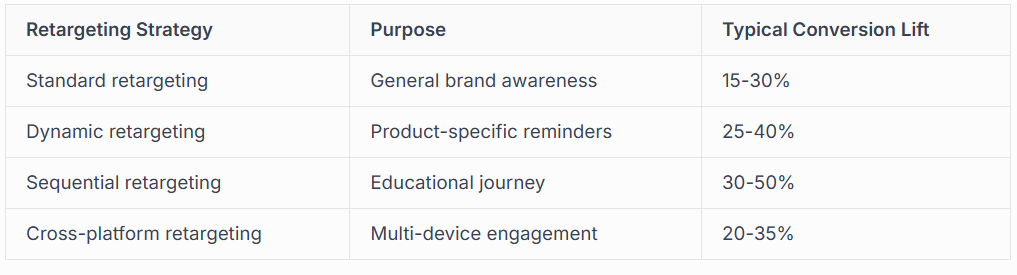
Retargeting follows website visitors who didn't convert, displaying relevant adverts as they browse other sites. This persistence pays off because most customers need multiple touchpoints before making purchasing decisions.
Remarketing campaigns can segment audiences based on specific pages viewed, creating highly personalised advertising messages. Someone who viewed your Google Business Profile management services receives different messaging than someone researching general SEO services.
Email Marketing
Email remains one of the highest-ROI types of advertising, delivering approximately £42 return for every pound spent. Building an email list lets you communicate directly with interested prospects and past customers.
Regular newsletters keep your business top-of-mind, whilst automated sequences nurture leads through the decision-making process. A well-timed email reminding customers about annual maintenance can fill slow periods in your calendar.
Influencer and Affiliate Marketing
Partnering with influencers or affiliates extends your reach through established audiences.Understanding the main types of advertising helps you identify which influencer partnerships align with your business goals and target demographics.
For local service businesses, micro-influencers in your community often deliver better results than national personalities. A local home improvement blogger reviewing your work reaches exactly the audience you want to attract.
Measuring Advertising Effectiveness Across Channels
Understanding which types of advertising generate the best results requires systematic tracking and analysis. Different channels demand different measurement approaches, but all share the goal of connecting investment to revenue.
Key Performance Indicators by Channel
Digital advertising offers precise metrics including impressions,
click-through rates, cost per acquisition, and return on ad spend. Traditional advertising requires more creative tracking through unique phone numbers, promotional codes, and customer surveys.
Essential metrics to monitor:
- Cost per lead across all channels
- Conversion rates from enquiry to customer
- Customer lifetime value by acquisition source
- Brand awareness and recall measures
- Market share within your service area
Don't make the mistake of judging all advertising types by the same standards. Brand awareness campaigns serve different purposes than direct response advertising, requiring different success metrics.
Attribution and Multi-Touch Analysis
Modern customer journeys involve multiple touchpoints before conversion. Someone might see your van signage, search your business name, read reviews on Google, visit your website, and then call a week later.
Attribution modelling helps assign value across these touchpoints, revealing which advertising types contribute most to conversions. First-touch attribution credits the initial discovery, whilst last-touch credits the final interaction before conversion. Multi-touch models distribute credit across the entire journey.
Choosing the Right Advertising Mix for Your Business
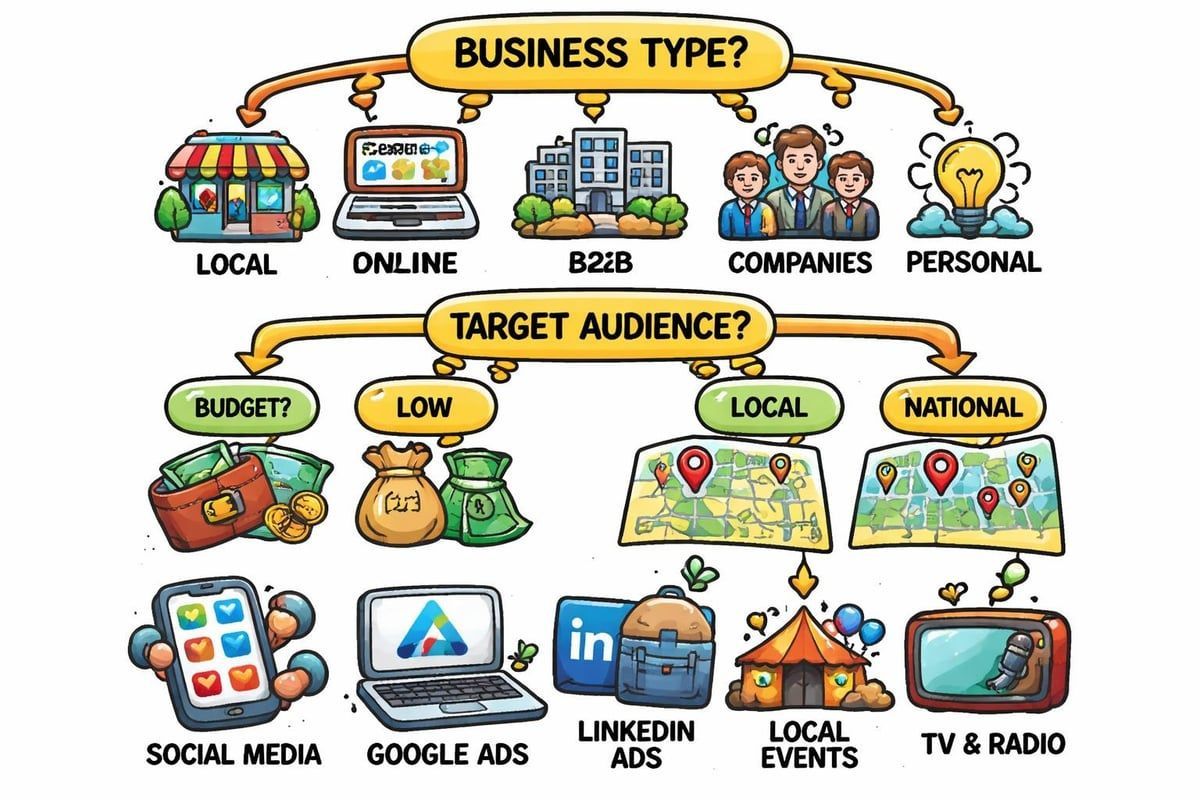
No single advertising type works perfectly for every business. Your ideal mix depends on budget, target audience, geographic area, and business objectives.
Budget Considerations
Smaller budgets demand focus on high-impact, measurable channels.Google Ads campaigns let you start with modest daily budgets whilst Google Business Profile optimisation costs relatively little but delivers ongoing visibility.
As budgets grow, diversification reduces risk. Testing multiple channels identifies unexpected opportunities whilst protecting against algorithm changes or market shifts in any single platform.
Audience Alignment
Where do your customers spend time? Younger audiences live on social media, whilst older demographics still check print directories and listen to local radio. Service businesses targeting homeowners benefit enormously from local search optimisation andadvertising strategies specifically designed for trades.
Research your customer demographics thoroughly before committing significant advertising spend. Assumptions about audience behaviour often prove costly when data reveals different patterns.
Geographic Targeting
Local service businesses waste money advertising beyond their service areas. Precise geographic targeting in digital campaigns ensures you only pay for relevant exposure. Yourverified Google Business Profile naturally limits visibility to your service radius, maximising relevance.
National businesses face different challenges, needing broader reach whilst maintaining cost efficiency. Regional variations in advertising costs can make some markets more profitable than others, requiring strategic allocation decisions.
Integration Strategies for Maximum Impact
The most successful businesses don't just use multiple types of advertising; they integrate campaigns across channels for multiplied impact. Consistent messaging across platforms reinforces brand recognition whilst meeting customers wherever they are.
Cross-Channel Consistency
Your visual identity, core messages, and unique selling propositions should remain consistent whether someone encounters you through social media, search ads, or a billboard. This consistency builds familiarity and trust faster than fragmented campaigns.
Integration also means tactical coordination. A radio campaign mentioning a special offer should be matched by landing pages, social posts, and email campaigns supporting that same promotion.
Sequential Messaging
Not all advertising needs to push for immediate sales. Awareness campaigns introduce your brand, consideration content educates prospects, and conversion campaigns drive action. Sequencing these messages creates natural customer journeys.
Someone first exposed to your brand through display advertising might receive educational content through social media, then finally convert through a search advert when they're ready to hire. Each stage plays its role in the complete journey.
Choosing the right types of advertising for your business requires understanding your audience, budget, and goals whilst remaining flexible enough to adapt as markets evolve. Whether you're investing in digital campaigns, traditional media, or local search optimisation, consistency and measurement drive long-term success. At Connect SEO Ltd, we specialise in helping service businesses maximise their local visibility through professional Google Business Profile verification and strategic advertising guidance, ensuring customers find you exactly when they need your services.