
Targeted Advertising: A Guide for Local Businesses
In today's competitive digital landscape, reaching the right customers at precisely the right moment makes all the difference between thriving and merely surviving. Targeted advertising has transformed how businesses connect with potential customers, moving far beyond the scattergun approach of traditional marketing. Rather than broadcasting a generic message to everyone, businesses can now focus their efforts on people most likely to need their services. For local tradespeople and service providers, understanding how targeted advertising works isn't just helpful – it's essential for sustainable growth in 2026.
What Makes Targeted Advertising Different
Targeted advertising fundamentally changes the relationship between businesses and their potential customers. Unlike traditional billboard or newspaper advertisements that reach whoever happens to see them,
targeted advertising uses data and technology to deliver messages to specific groups based on their demographics, behaviours, interests, and online activities.
The precision available today would have seemed impossible just a decade ago. Businesses can now reach homeowners in specific postcodes who've recently searched for plumbing services, or target people who've visited competitor websites. This level of specificity means your marketing budget works harder, reaching people who genuinely need what you offer rather than wasting resources on unlikely prospects.
The Core Components of Effective Targeting
Several layers of data combine to create truly effective targeted advertising campaigns:
- Demographic information including age, gender, income level, and occupation
- Geographic location from broad regions down to specific neighbourhoods
- Behavioural data tracking online browsing habits and purchase history
- Interest-based targeting focusing on hobbies, preferences, and lifestyle choices
- Device and platform usage reaching people on mobile, desktop, or specific apps
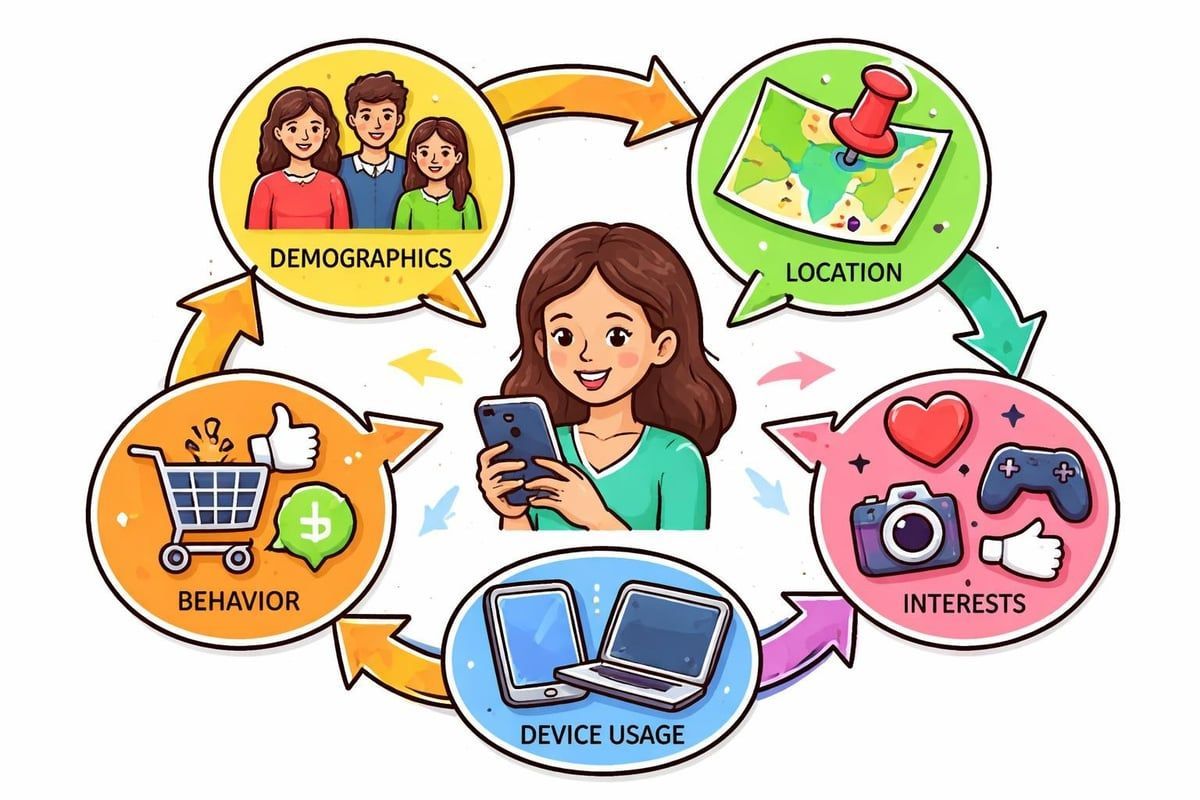
When these elements work together, they create a detailed picture of your ideal customer. For a local electrician, this might mean targeting homeowners within a five-mile radius who've recently searched for electrical services and own properties built before 1990 (more likely to need rewiring).
How Local Businesses Benefit From Precision Targeting
The advantages of targeted advertising extend beyond simple cost efficiency. Local service providers particularly benefit because their customer base exists within defined geographic boundaries.
Budget Efficiency and ROI
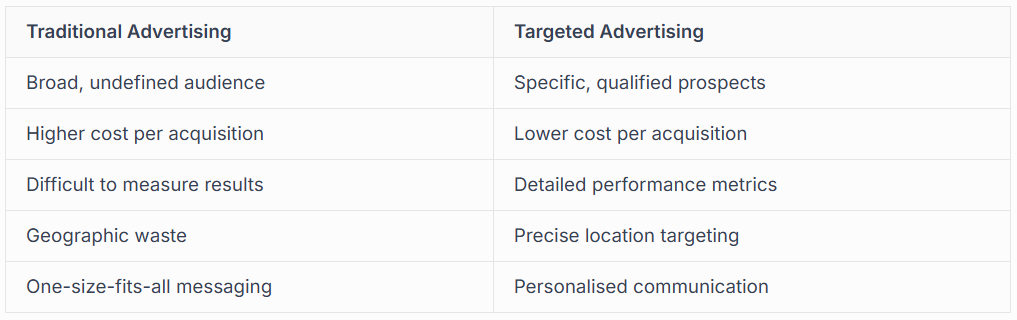
Traditional advertising often means paying for impressions from people who'll never become customers. A local plumber advertising in a regional newspaper pays the same whether readers live in their service area or fifty miles away. Targeted advertising eliminates this waste entirely.
According to research on targeted advertising's impact, businesses can significantly improve their return on investment by focusing resources on high-potential prospects. Your advertising budget stretches further when every pound spent reaches someone who might actually need your services.
Building Trust Through Relevance
When potential customers see advertisements that genuinely match their needs, they're more likely to engage. Targeted advertising allows businesses to create messages that resonate with specific problems or situations their audience faces.
A heating engineer could create separate campaigns for different scenarios – emergency boiler repairs for people searching urgently, annual service reminders for existing customers, or installation offers for homeowners planning renovations. Each message speaks directly to where the customer is in their journey.
The Technical Side: How Platforms Enable Targeting
Modern advertising platforms have made sophisticated targeting accessible to businesses of all sizes. You don't need to be a multinational corporation to benefit from
advanced Google Ads
capabilities anymore.
Platform-Specific Opportunities
Different platforms offer unique targeting advantages. Google Ads excels at capturing intent – reaching people actively searching for services right now. Social media platforms like Facebook specialise in interest and demographic targeting, perfect for building awareness among potential future customers.
The AdChoices program provides transparency around how interest-based advertising works, giving consumers control while allowing businesses to reach relevant audiences. Understanding these mechanisms helps businesses use them ethically and effectively.
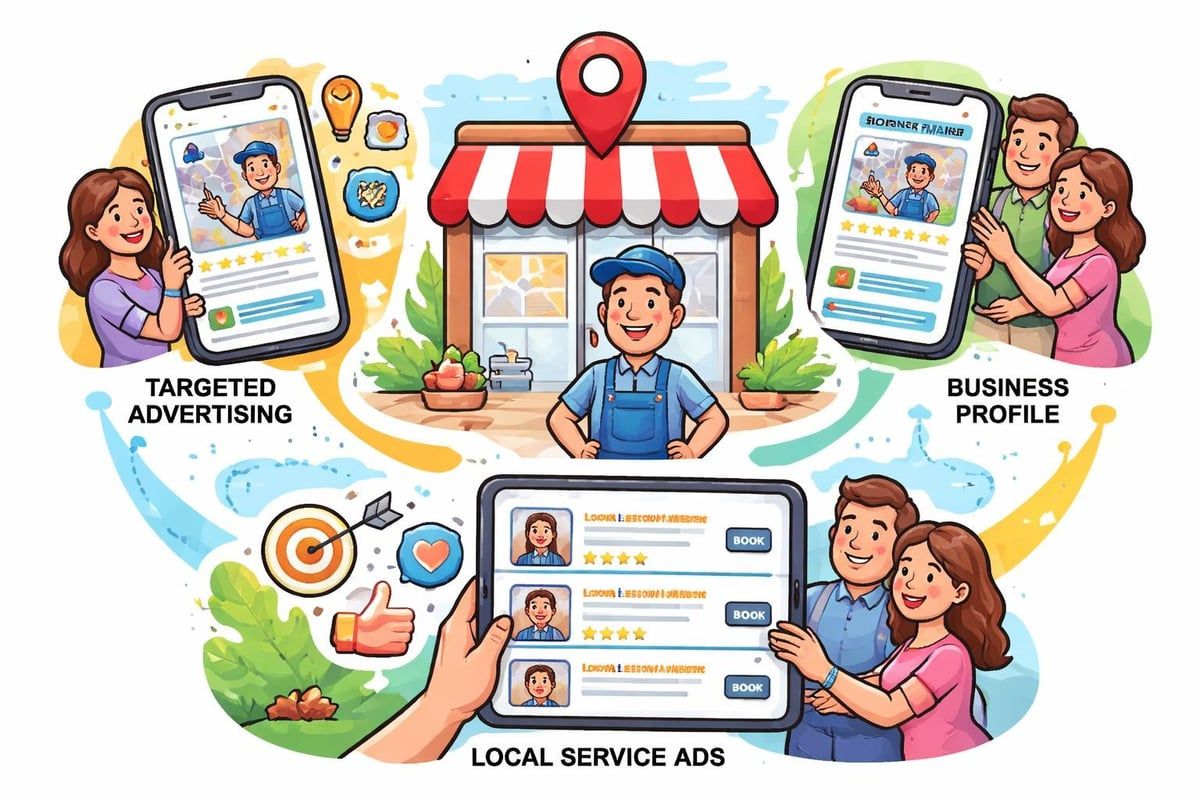
For local businesses, Google Business Profile integration creates particularly powerful opportunities. When your Google Business Profile is properly verified, your targeted advertising campaigns can direct potential customers to a trusted, complete profile that appears in Maps and local search results.
The Role of Retargeting
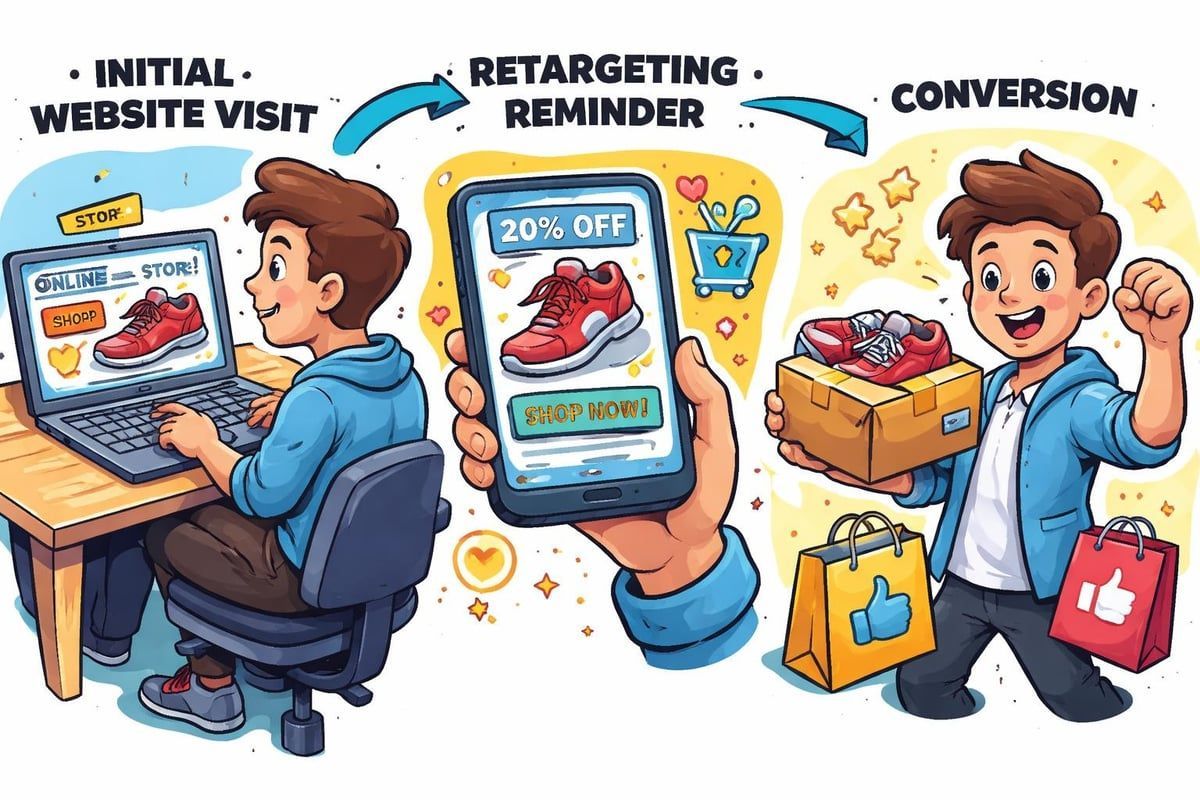
One of the most effective forms of targeted advertising involves reaching people who've already shown interest in your business. Retargeting campaigns follow visitors who've viewed your website or engaged with your content, reminding them to complete their enquiry or booking.
These campaigns typically deliver higher conversion rates because they target warm prospects rather than cold audiences. Someone who visited your site and browsed your services is far more likely to convert than someone seeing your business for the first time.
Creating Campaigns That Convert
Success with targeted advertising requires more than just selecting the right audience. The message, timing, and overall strategy determine whether people click and convert.
Matching Message to Audience Stage
Different audiences need different approaches:
- Cold audiences require educational content that introduces your business and establishes credibility
- Warm audiences benefit from specific service information and competitive advantages
- Hot audiences need clear calls-to-action and easy conversion paths
- Past customers respond to loyalty incentives and new service announcements
This staged approach ensures you're not asking for a sale from someone who's never heard of you, whilst not wasting time educating someone ready to book immediately.
Testing and Refinement
The beauty of digital
targeted advertising lies in measurable results. Every campaign generates data showing what works and what doesn't. Successful businesses treat their advertising as an ongoing experiment, constantly testing different audiences, messages, and approaches.
Even small changes can dramatically impact results. Testing different headlines, images, or calls-to-action reveals what resonates with your specific audience. A study on targeted advertising in digital media highlights how different approaches affect consumer engagement and response rates.
Privacy Considerations and Ethical Targeting
As targeted advertising becomes more sophisticated, privacy concerns have grown alongside capabilities. Responsible businesses must balance effective targeting with respect for customer privacy.
Transparency and Consumer Control
Modern consumers increasingly demand transparency about how their data is used. Businesses that clearly communicate their data practices and respect privacy preferences build stronger long-term relationships than those taking advantage of every technical capability.
Using first-party data – information customers voluntarily provide – creates more sustainable targeting strategies than relying solely on third-party tracking. When someone fills out a contact form or signs up for your newsletter, they're explicitly expressing interest in your services.
Building Trust Through Responsible Practices
The most successful targeted advertising campaigns feel helpful rather than invasive. When someone searches for emergency plumbing services, seeing your advertisement is genuinely useful. When someone casually mentions needing a plumber in conversation and immediately sees your ads everywhere they browse online, it feels creepy.
Finding this balance requires thoughtful strategy. Focus on reaching people at moments when your services genuinely solve their problems rather than simply maximising exposure at all costs.
Integration With Local SEO and Google Business Profile
For local service businesses, targeted advertising shouldn't exist in isolation. The most powerful strategies integrate paid advertising with organic visibility efforts, particularly through Google Business Profile optimisation.
Creating a Cohesive Local Presence
When potential customers click your targeted advertisement, they often research your business before calling. A
properly verified and optimised Google Business Profile provides the social proof and information they need to convert from interested prospect to paying customer.
Your profile should complement your advertising messages. If your ads emphasise emergency availability, your Business Profile should prominently display 24/7 contact information. If you target premium customers, your profile photos and reviews should reflect quality and professionalism.
Local Service Ads and Targeting
Google's Local Service Ads represent a specific type of targeted advertising designed for service businesses. These ads appear at the very top of search results, connecting customers with verified, local businesses precisely when they need services.
The combination of targeted Google Ads campaigns alongside Local Service Ads creates multiple opportunities to capture local customers at various stages of their search journey.
Measuring Success Beyond Clicks
Understanding whether your targeted advertising actually works requires looking beyond surface-level metrics. Clicks and impressions matter, but they don't pay the bills.
Meaningful Performance Indicators
Focus on metrics that connect to real business outcomes:
- Cost per lead: How much you spend to generate each enquiry
- Conversion rate: What percentage of clicks become actual customers
- Customer lifetime value: The total revenue from customers acquired through advertising
- Return on ad spend (ROAS): Revenue generated compared to advertising costs
- Geographic performance: Which areas deliver the best results
These deeper metrics reveal whether your targeting strategies actually drive profitable growth or simply generate activity without results.
Attribution and the Customer Journey
Modern customers rarely see one advertisement and immediately book. They might see your ad, visit your website, read reviews, see your retargeting ad, check your Google Business Profile, then finally call. Proper attribution tracking helps you understand which touchpoints contribute to conversions.
Research on display advertising challenges demonstrates the complexity of measuring targeted advertising effectiveness, particularly when customers interact with businesses across multiple channels before converting.
Common Mistakes That Waste Budget
Even with powerful targeting tools, businesses regularly make mistakes that undermine their results. Avoiding these pitfalls protects your investment and accelerates success.
Targeting Too Broadly
The temptation to reach everyone often leads businesses to define audiences too widely. A plumber targeting "anyone interested in home improvement" within thirty miles competes against DIY stores, interior designers, and countless other businesses for attention. Narrowing to "homeowners searching for emergency plumbing within ten miles" creates far better results despite the smaller audience.
Ignoring Negative Keywords and Exclusions
Equally important as defining who you want to reach is specifying who you don't. Negative keywords prevent your ads from appearing for irrelevant searches. An electrician offering commercial services shouldn't waste the budget on people searching for DIY electrical tutorials.
Setting and Forgetting
Targeted advertising requires active management. Market conditions change, competitor strategies evolve, and audience behaviours shift. Campaigns left running without regular review and optimisation gradually decline in performance as they become less relevant.
Neglecting Mobile Optimisation
With the majority of local searches now happening on mobile devices, advertisements that lead to slow-loading or mobile-unfriendly websites waste targeting precision. Your landing pages must work flawlessly on smartphones, with click-to-call buttons prominent and forms simple to complete.
Platform Selection for Maximum Impact
Different advertising platforms excel at different types of targeting and reach different audiences. Choosing the right platform for your business and goals dramatically affects results.
Google Ads for Intent-Based Targeting
Google Ads remains unmatched for capturing people actively searching for services. When someone types "emergency electrician near me" into Google, they have immediate need and high intent. Appearing at that precise moment delivers exceptional conversion rates.
The platform's location targeting capabilities make it ideal for local businesses, allowing you to focus entirely on your service area whilst excluding everywhere else. Integration with your verified Google Business Profile creates additional trust and visibility.
Social Media for Awareness and Remarketing
Whilst social media users aren't actively searching for services, these platforms offer powerful demographic and interest targeting. Facebook and Instagram excel at building awareness among specific audience segments and retargeting website visitors.
For trades and service businesses, social media advertising works best for building long-term brand recognition and staying visible to potential future customers rather than capturing immediate demand.
Choosing Based on Business Goals
Your objectives should drive platform selection:
- Immediate leads: Focus on Google Search Ads and Local Service Ads
- Brand awareness: Invest in social media and display advertising
- Customer retention: Use retargeting across multiple platforms
- Market expansion: Combine search and social to build presence in new areas
Most successful businesses eventually use multiple platforms, with budget allocation reflecting where each platform delivers the best return for specific goals.
Future Trends in Targeted Advertising
The targeted advertising landscape continues evolving rapidly. Understanding emerging trends helps businesses stay ahead of competitors and prepare for coming changes.
Privacy-First Advertising
Increasing privacy regulations and browser changes limiting third-party tracking are reshaping targeted advertising. Businesses that build first-party data strategies now – collecting information directly from customers – will maintain targeting capabilities whilst others struggle.
Email lists, customer databases, and loyalty programmes become increasingly valuable as external tracking diminishes. These owned audiences can be used for retargeting and lookalike targeting without relying on third-party data.
Artificial Intelligence and Automation
Machine learning algorithms increasingly optimise targeting decisions automatically, testing thousands of combinations to identify what works best. Whilst this reduces manual work, success still requires clear goals, quality creative assets, and strategic oversight.
Smart businesses use automation for optimisation whilst maintaining control over messaging, audience definition, and budget allocation.
Voice Search and Local Intent
As voice search grows, targeted advertising must adapt to conversational queries and hyper-local intent. Optimising for "plumber near me right now" requires different strategies than traditional keyword targeting, with increasing emphasis on immediate availability and proximity.
Mastering targeted advertising transforms how local businesses compete, allowing precise customer reach whilst maximising every pound of marketing budget. Whether you're just starting with digital advertising or refining existing campaigns, the connection between effective targeting and verified local presence remains crucial. At Connect SEO Ltd, we specialise in helping tradespeople and service businesses combine targeted advertising with properly verified Google Business Profiles, creating the complete local visibility that drives sustainable growth. Our hands-on experience as both tradespeople and digital marketers means we understand exactly what works for businesses like yours, delivering verified profiles, optimised advertising campaigns, and ongoing support to keep you visible where customers are searching.