Google Ads Success Guide: Strategies for 2026
Are you ready to unlock the true potential of Google ads in 2026? As digital competition heats up, businesses face rising costs and increasing complexity in online advertising.
With powerful AI-driven features and ever-changing algorithms, Google Ads is transforming faster than ever. The right strategies can deliver outstanding ROI, helping your business stand out and thrive.
This guide is designed for you. We’ll explore proven techniques for campaign setup, automation, creative optimisation, measurement, and the latest trends. Let’s get started on your journey to advertising success.
Understanding the 2026 Google Ads Landscape
The world of Google Ads has transformed rapidly, especially since 2023. To thrive in 2026, we need to understand how the platform, users, and technology have evolved. Let’s explore the key changes shaping our strategies this year.
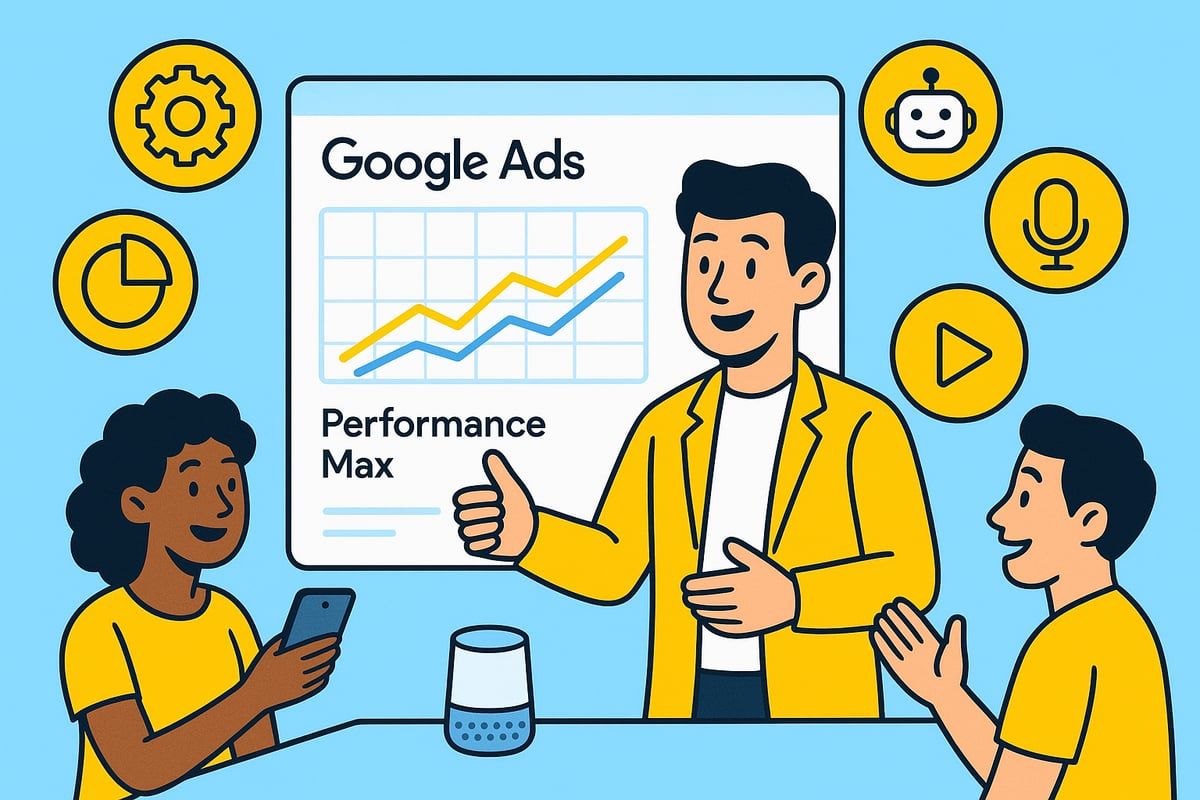
Evolution of Google Ads: 2023–2026
Over the past three years,
Google ads has seen some of its biggest shifts. Automation, AI, and machine learning are now at the core of campaign management, from bidding to audience targeting. Advertisers have had to adapt quickly as privacy regulations and the loss of third-party cookies changed how we reach customers.
Performance Max campaigns have surged in popularity, now accounting for as much as 40% of total ad spend. According to recent Performacnce Max adoption and conversion increase data, over half of advertisers use this campaign type, with an average 13% boost in conversions.
Competition is fiercer than ever, and average CPCs continue to rise. To keep up, we must embrace new ad formats and placements, making the most of every opportunity within the google ads ecosystem.
Changing User Behaviour and Search Trends
User behaviour has shifted just as dramatically. Voice search and conversational queries are mainstream, with more people using smart speakers and voice assistants to find information. Mobile-first browsing dominates, and local intent searches are at an all-time high.
Video and visual content have become central to Google ads success. In fact, 65% of users engage with video ads before making a purchase, according to Google. The rise of zero-click searches means our ad strategies must focus on capturing attention within the results page itself, not just driving clicks.
To engage modern users, it’s vital to adapt creatives for visual impact and ensure campaigns are mobile-friendly and ready for voice-driven intent.
The Role of AI and Automation
AI is now the engine behind most google ads innovations. Tools like Smart Bidding and Responsive Search Ads use machine learning to optimize performance in real time. These AI-driven features help advertisers save time, test creatives, and maximise budgets.
Automation brings clear benefits: more efficient management, better targeting, and improved ROI. However, it’s not without limitations. Advertisers still need to monitor results, set clear goals, and step in when automation misses the mark.
By understanding how automation fits into our overall google ads strategy, we can make smarter decisions, balancing the best of AI with human expertise.
Setting Up for Success: Account Structure & Campaign Foundations
Laying strong foundations is crucial for driving consistent results with Google ads.
The right setup empowers you to adapt to trends, control spend, and unlock the full power of automation. Let’s break down how to organise your account, target the right audience, craft compelling creative, and manage budgets for 2026.
Building a Future-Proof Account Structure
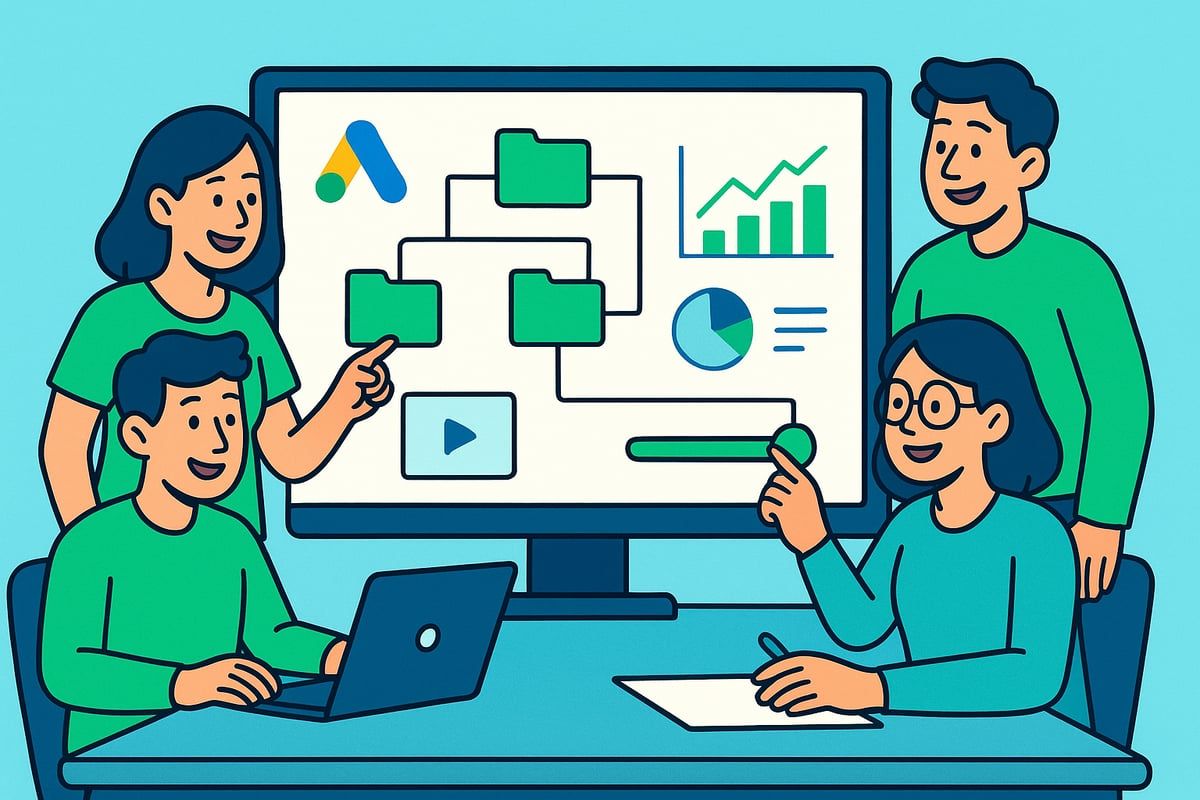
A well-structured
google ads account is your launch pad for sustainable growth. The debate between granular and consolidated campaign structures is more relevant than ever. Granular setups give you precise control, letting you optimise every ad group. Consolidated structures, however, harness the power of automation, making management easier when you have large volumes of data.
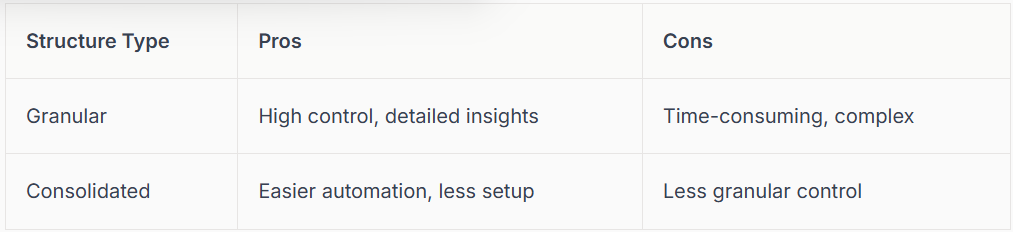
For Performance Max campaigns, consolidation often works best, as automation thrives on larger data sets. In contrast, Search campaigns may benefit from a more granular approach for keyword-level optimisation. Avoid common pitfalls like duplicate keywords and neglecting negative keyword lists, which can waste budget and skew performance.
For a step-by-step walkthrough, check out this Google Ads account setup guide to ensure your structure is robust and ready for 2026.
Advanced Audience Targeting in 2026
Reaching the right audience is the heart of every successful google ads campaign. With privacy changes and cookie deprecation, leveraging first-party data is essential. Start by segmenting your CRM lists to create custom audiences. Tools like Customer Match, Similar Audiences, and affinity segments offer powerful ways to personalise ads while respecting user privacy.
For example, syncing your CRM data enables you to serve tailored ads to high-value customers or lookalike audiences. This increases relevance and boosts ROI. As regulations tighten, being proactive with consent and data management will keep your targeting sharp and compliant.
List of advanced targeting strategies:
- Segment users by lifecycle stage (new vs. returning customers)
- Use lookalike audiences for expansion
- Layer interests and behaviours for precision
Stay flexible and keep testing your audience segments as user behaviour evolves.
Crafting High-Converting Ad Copy and Creative
Creative is the engine that powers engagement in google ads. Responsive Search Ads and asset groups now dominate, allowing AI to test combinations and find what resonates. Use a mix of AI-generated suggestions and manual input to keep your messaging fresh and authentic.
Don’t overlook visual elements. Adding video and high-quality imagery lifts engagement, with brands using video assets seeing a 30% higher click-through rate. Short, punchy headlines and clear calls-to-action work best, especially for mobile-first users.
Tips for high-converting creative:
- Use multiple headlines and descriptions per ad
- Include keywords naturally in your copy
- Test different video lengths and formats
Keep iterating your creative assets, and let performance data guide your decisions.
Budgeting and Bidding Strategies
Effective budgeting and bidding are the backbone of google àds success. Start by setting realistic budgets based on industry benchmarks and your own goals. In 2026, automated bidding strategies like Smart Bidding are outperforming manual methods by up to 20% ROI.
However, it’s still important to monitor CPC trends and adjust for seasonality. Consider starting with a hybrid approach, using automation for most campaigns while keeping manual controls for high-priority products or services.
Budgeting checklist:
- Allocate more to top-performing campaigns
- Monitor spend and adjust bids regularly
- Use automated rules to pause underperforming ads
By blending automation with strategic oversight, you’ll maximize your results and stay ahead of the competition.
Leveraging Automation & AI for Maximum ROI
Embracing automation and AI in google àds is no longer a luxury, it is a necessity for maximising your return on investment. As the platform evolves, understanding how to harness these technologies will set your campaigns apart and help you achieve consistent, measurable growth.
Automation Tools and Smart Campaigns
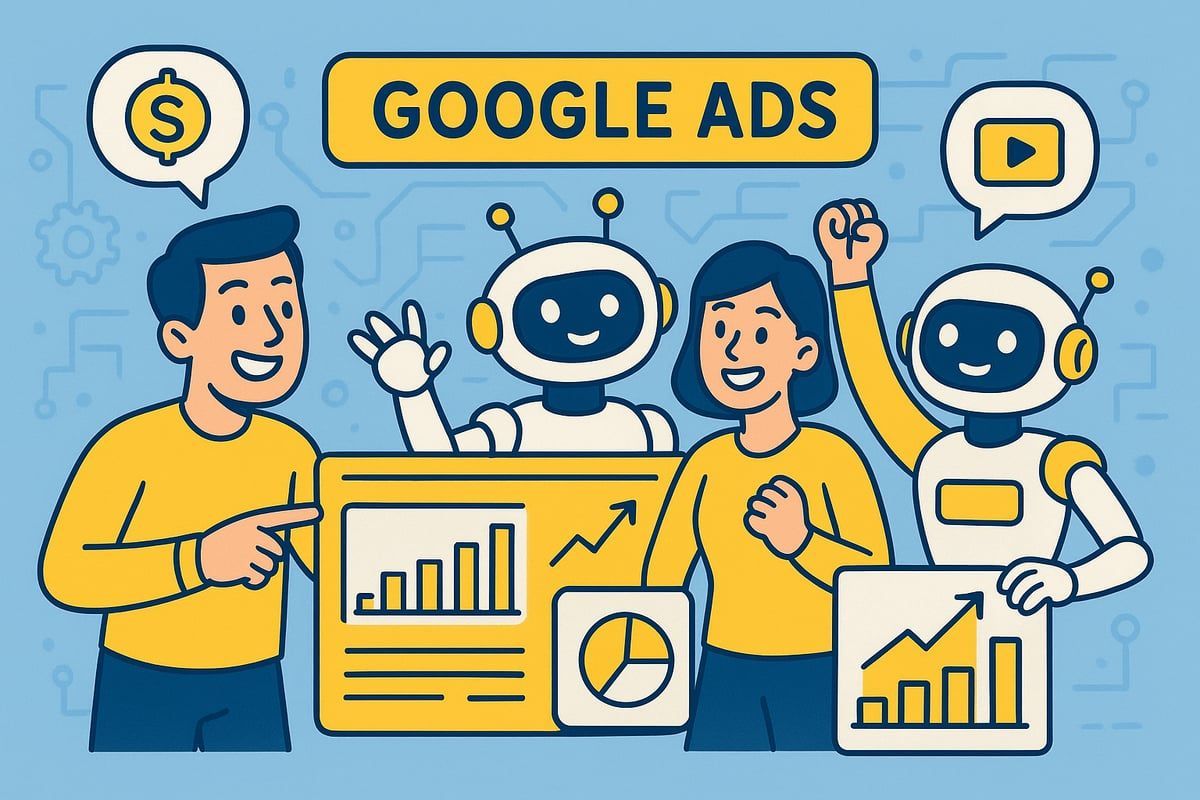
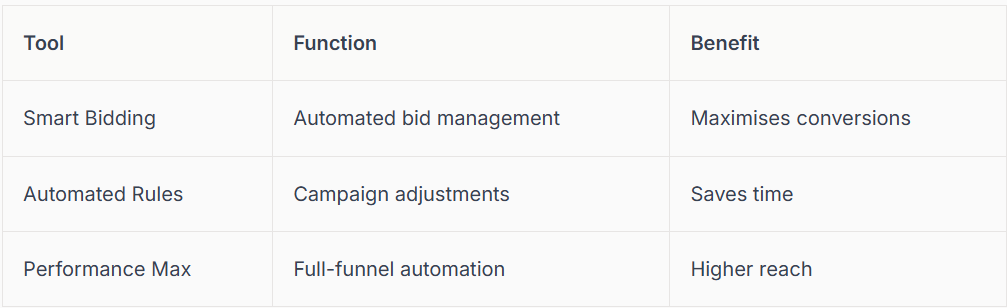
The google ads platform now offers a powerful suite of automation tools designed to simplify campaign management and drive better results. Smart Bidding uses machine learning to set bids in real-time, helping you target the right audience at the right moment. Performance Max campaigns take this further by automating bidding, budget allocation, creatives, and targeting across all Google channels.
Choosing between full automation and a hybrid approach depends on your goals and resources. Full automation can save time and uncover new opportunities, but a hybrid strategy allows for more control and customisation. Many businesses have seen impressive growth by leveraging Performance Max, integrating it with their broader marketing strategies.
Automation is not about replacing human input, it is about amplifying your impact. By letting AI handle repetitive tasks, you free up time to focus on strategy and creative direction.
Data-Driven Optimisation Techniques
AI-driven insights are at the heart of modern google ads optimisation. The platform now surfaces actionable recommendations, such as
budget adjustments, keyword suggestions, and creative tweaks, all powered by machine learning. Automated rules and scripts are invaluable for maintaining campaign efficiency, allowing you to pause underperforming ads or increase bids on high-performing ones automatically.
Here is a simple table summarising key automation tools:
Continuous optimization is essential. Regularly review AI suggestions but always validate them against your business goals. Automated processes are powerful, but a human touch ensures your brand voice and objectives stay on track.
Balancing Automation with Manual Control
While AI and automation are transforming google ads, knowing when to step in manually is crucial. Trust automation for routine decisions, but monitor placements and audience targeting closely. Manual exclusions can prevent your ads from appearing on irrelevant or low-quality sites, protecting your brand and budget.
Compliance and brand safety should always be top priorities. Set clear parameters within your campaigns to avoid unwanted placements. Hybrid management—combining automation with periodic manual checks—offers the best of both worlds: efficiency and control.
- Trust AI for bid adjustments and basic targeting.
- Review search terms and placement reports weekly.
- Use manual exclusions for brand-sensitive campaigns.
By balancing automation and manual oversight, you ensure your campaigns are agile, safe, and aligned with your brand values.
Staying Ahead with Beta Features and Experiments
Success in google àds requires a proactive approach. Take advantage of new beta features as soon as they become available, whether it is a novel ad format or an updated targeting option. Experiments are a risk-free way to test new strategies without disrupting your main campaigns.
Early adopters often gain a competitive edge, enjoying better performance before features become mainstream. Use Google’s built-in Experiments tool to split-test creative, bidding strategies, and landing page experiences. By staying curious and open to innovation, you keep your campaigns fresh and your results growing.
Regular experimentation helps you adapt quickly to changes in the platform, ensuring your approach remains relevant and effective as google ads continues to evolve.
Creative Excellence: Ad Assets, Extensions & Visual Innovation
Standing out in the google ads landscape in 2026 means more than just showing up – it is about capturing attention, sparking interest, and building trust. Creative excellence is the heartbeat of every successful campaign. Let us explore how smart asset use, powerful ad extensions, and visual innovation can help us connect with our audience and drive results.

Optimising Ad Assets for Engagement
In 2026, the foundation of high-performing google ads campaigns is compelling ad assets. Responsive Search Ads (RSAs) thrive on strong headlines and clear, benefit-driven descriptions. It is good practice to blend AI-generated ideas with our own creative voice, ensuring every asset feels authentic and relevant.
Adding image and video assets is no longer optional – it is essential. Video, in particular, is a game changer. According to industry data, brands using varied asset groups, especially those with video, see conversion rates climb by 15 percent. To get the most from your assets, regularly test different combinations and formats. This helps us discover what truly resonates with our audience.
If you are looking for more hands-on ways to improve your creative approach, check out these Proven ways to improve Google Ads for actionable tips that keep your campaigns fresh and engaging.
Maximising Impact with Ad Extensions
Ad extensions are vital tools for boosting visibility and engagement in google àds. By adding sitelinks, callouts, and structured snippets, we give people more reasons to click and more ways to interact with our ads. Each extension offers unique benefits:
- Sitelinks: Direct users to specific pages, like product categories or contact forms.
- Callouts: Highlight special offers, free delivery, or unique selling points.
- Structured snippets: Showcase key details, such as services or brands.
- Lead forms: Capture new enquiries directly from the search results.
Using these extensions can lift click-through rates by 10 to 15 percent, according to Google research. The more relevant options we provide, the more likely users are to engage with our google àds, helping us rise above the competition.
Visual-First Strategies for 2026
The future of google ads is visual. Audiences now expect immersive, interactive experiences, especially on mobile. Prioritising video and dynamic creative is a must. Interactive video ads, for example, drive up to 25 percent higher engagement, making them a powerful tool for brands wanting to connect with modern consumers.
To make the most of this trend:
- Optimise all creative for mobile screens.
- Use bold visuals and concise messaging.
- Experiment with interactive formats – quizzes, polls, or swipeable galleries.
By embracing visual-first strategies in google ads, we can capture attention, build trust, and inspire action, ensuring our campaigns are not just seen but remembered.
Measurement, Attribution & Scaling Your Results
Unlocking the full potential of your google ads investment in 2026 depends on measuring what matters, attributing results accurately, and scaling your wins with confidence. The landscape is more complex than ever, but with the right approach, you can turn data into actionable insights that drive real growth. In this section, we’ll explore the latest in conversion tracking, attribution, analytics, and campaign scaling—so you can
make every click count.
Advanced Conversion Tracking and Attribution Models
In 2026, advanced conversion tracking is central to maximising your google àds performance. Enhanced conversions, offline conversion imports, and robust tagging are now standard for businesses that want a clear view of their customer journey. Data-driven attribution models have become the gold standard, using machine learning to distribute credit across multiple touchpoints rather than relying solely on last-click or position-based models.
Here’s a quick comparison:
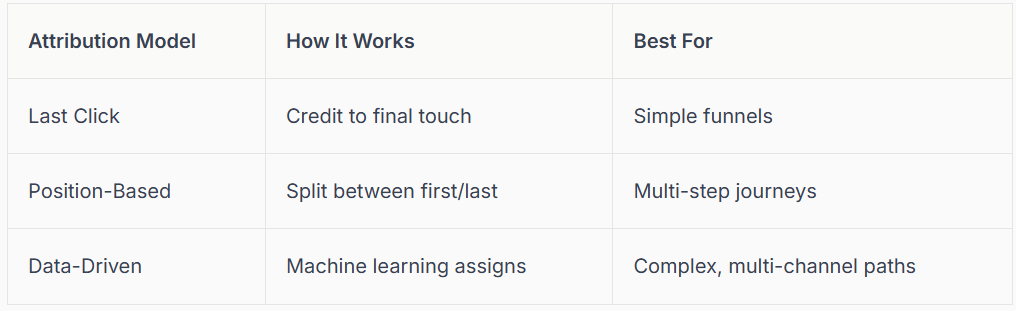
Switching to data-driven attribution often improves budget allocation by up to 18 percent, as reported in competitor case studies. As privacy regulations evolve, it’s crucial to implement enhanced conversions that respect user consent while still providing actionable data. Staying ahead means regularly reviewing your attribution setup to ensure your google àds results reflect the true value of each campaign touchpoint.
Analysing Campaign Performance with Google Analytics 4
Google Analytics 4 (GA4) is now the backbone of campaign analysis for google ads. With its event-based tracking, GA4 provides rich, full-funnel insights that help you understand user behaviour beyond the click. Setting up GA4 properly ensures you can track key actions—like form submissions, calls, or purchases—across devices and platforms.
Key metrics to watch in 2026 include engagement rate, conversion value, and user retention. By linking google àds with GA4, you can see which campaigns and keywords drive the highest lifetime value. Use GA4 events to spot friction points on your landing pages and refine your creative for better results.
Scaling Winning Campaigns
Scaling your top-performing google ads campaigns is all about identifying what works and multiplying your success. Start by reviewing your campaign data to pinpoint the ads, audiences, and keywords delivering the best ROI. Incrementally increasing your budget for these winners helps maintain efficiency while expanding reach.
Consider geographic expansion or testing new audience segments to unlock further growth. Use automated bidding strategies to handle increased volume and maintain performance. Always monitor your results closely—scaling too quickly without data can harm your ROI. When you scale smartly, your google àds efforts can drive sustainable business growth and keep you ahead of the competition.
Avoiding Wasted Spend and Common Pitfalls
Even the most experienced advertisers face wasted spend if they’re not vigilant with their google ads management. Regularly audit your search term reports to weed out irrelevant clicks. Implement robust negative keyword strategies to prevent your ads from showing on searches that don’t convert.
It’s also vital to review your ad creative and landing pages for alignment. If you find your google ads aren’t converting as expected, check out this comprehensive guide on Google Ads not converting solutions for actionable fixes. Consistent reviews and optimisations can reduce wasted spend by 12 percent annually, ensuring your budget is always working towards your business goals.
Future Trends & Proactive Strategies for Google Ads in 2026
The world of google ads is moving faster than ever. As we look ahead, staying proactive is key to keeping your campaigns competitive and effective. Let’s explore the top trends and strategies that will shape your success in 2026.
Privacy-First Advertising and First-Party Data
Privacy is taking centre stage in google ads strategies for 2026. With third-party cookies phasing out, brands must rely on their own customer data. This shift means collecting, managing, and activating first-party data is more important than ever.
Building strong customer relationships pays off. Brands that invest in first-party data are seeing up to 25% better performance compared to those who don’t. To succeed, focus on value exchanges with your audience, such as loyalty programmes or exclusive offers, to encourage data sharing.
Practical steps for privacy-first success include:
- Reviewing your data collection touchpoints
- Ensuring transparent consent mechanisms
- Leveraging Customer Match and similar features
By getting ahead now, your google àds campaigns will remain both compliant and effective in a changing privacy landscape.
The Rise of Conversational and Voice Ads
Voice search is transforming how people interact with google ads. In 2026, nearly 30% of all searches are expected to be voice-based, making conversational queries the norm. This trend demands a fresh approach to ad creative and targeting.
To capture these users, focus on:
- Natural, question-based keywords
- Short, clear ad copy that matches spoken language
- Local intent and mobile-friendly experiences
As voice technology becomes smarter, you’ll need to adapt your messaging and bidding strategies. Brands that get ahead with voice-optimised google ads will connect with customers where and how they search.
Integration with Other Google Platforms & Channels
Success in google ads now means thinking beyond Search. In 2026, integration across Google platforms like YouTube, Maps, and Discover is crucial. Cross-channel campaigns deliver 20% higher conversion rates, thanks to unified messaging and broader reach.
Consider these integration tactics:
- Sync your campaigns across Search, Video, and Display
- Use cross-channel attribution to understand the full customer journey
- Customise creative for each platform’s unique audience
A unified approach ensures your google ads work harder for you, allowing more touchpoints and seamless customer experiences.
Preparing for AI-Driven Campaign Evolution
AI is rapidly changing the game for google ads. Automated bidding, creative optimisation, and predictive targeting are now standard. Staying ahead means embracing new tools and upskilling your team.
Advertisers who use advanced automation enjoy faster growth and improved efficiency. For example, trends like hyper-personalisation and predictive budget allocation are shaping the future of campaign management.
Key steps to stay proactive:
- Test beta features as soon as they’re available
- Regularly review AI-driven recommendations
- Invest in continuous learning to keep pace with platform changes
By leaning into automation, your google ads campaigns will be ready for whatever the future brings.
As we’ve explored the latest strategies to succeed with Google Ads in 2026, it’s clear that staying ahead means more than just keeping up with trends—it’s about having the right support and solid foundations too. If you want your business to shine in local search and Maps, a verified and optimised Google Business Profile is the perfect starting point. We’re here to make that simple, with hands-on guidance and ongoing support every step of the way. Ready to boost your visibility and results together
Contact connect SEO Today