The Essential Guide to Display Ads Success in 2026
Evolution of Display Advertising
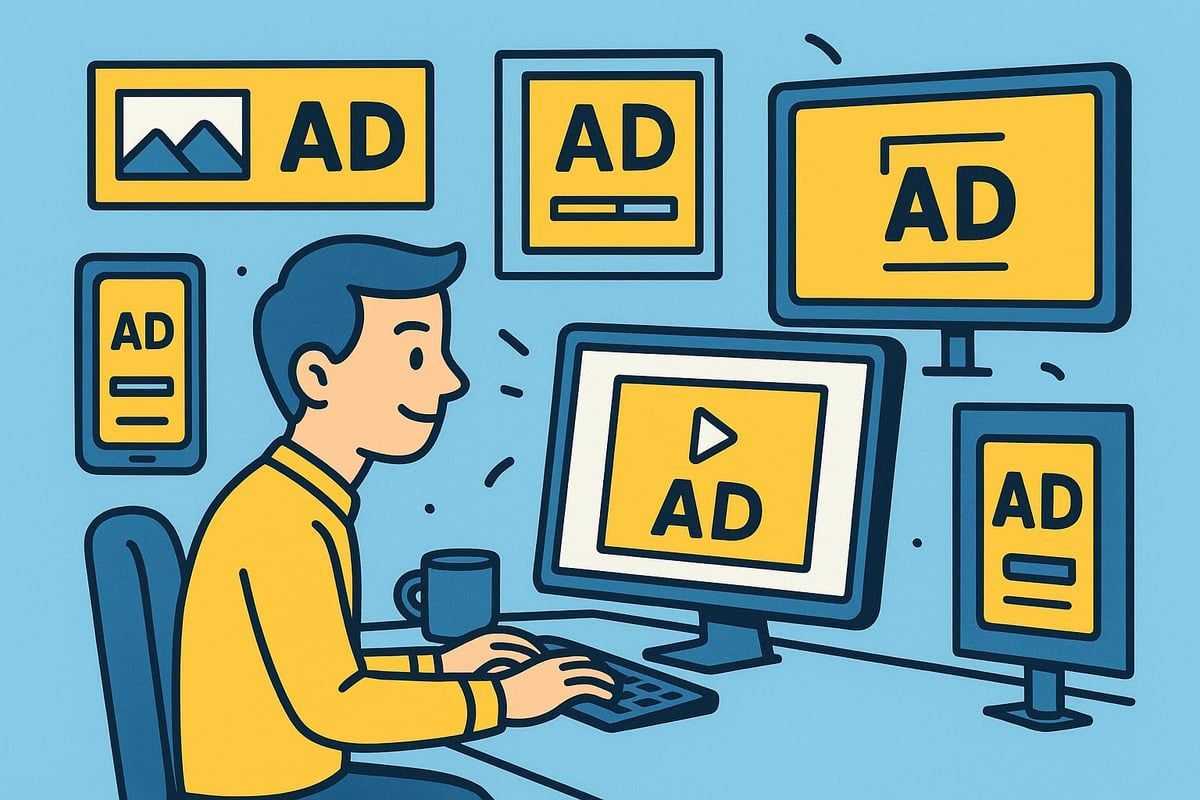
Display ads have come a long way from their early days of static banners. In the late 1990s, basic image ads appeared on websites, but soon, animation and flash banners took centre stage. The industry shifted dramatically with the rise of programmatic advertising, enabling real-time bidding and precise audience targeting.
Mobile devices changed everything. Marketers had to adapt display ads for smaller screens, leading to responsive formats and omnichannel strategies. Today, platforms like Google Ads have expanded into cross-device display and video formats, allowing brands to reach audiences wherever they are online.
Investment in display ads shows no signs of slowing. In fact, spending across Europe is projected to surpass £50bn by 2026.
Key Trends Shaping 2026
Looking ahead, several trends will shape how display ads perform and evolve. The move toward privacy-first advertising is reshaping strategies, as third-party cookies disappear and first-party data becomes vital. AI and machine learning are taking the lead in audience targeting and creative personalisation, making campaigns smarter and more relevant.
Emerging platforms are opening new doors. Connected TV (CTV) and digital out-of-home (DOOH) placements are making display ads even more omnipresent. Visual storytelling and interactive formats are capturing attention, with interactive YouTube ads and in-app placements setting new benchmarks for engagement.
To thrive in 2026, marketers must embrace these innovations and keep display ads flexible, creative, and privacy-conscious. Staying ahead of these trends will help ensure your campaigns remain effective and future-ready.
Display Ads vs. Other Digital Channels
How do display ads stack up against other digital marketing channels like native, search, or social ads? Each has its strengths. Display ads offer broad reach and strong visual impact, making them ideal for building brand awareness quickly. However, they can be prone to ad fatigue, and their direct conversion rates sometimes lag behind high-intent search ads.
Let’s compare at a glance:
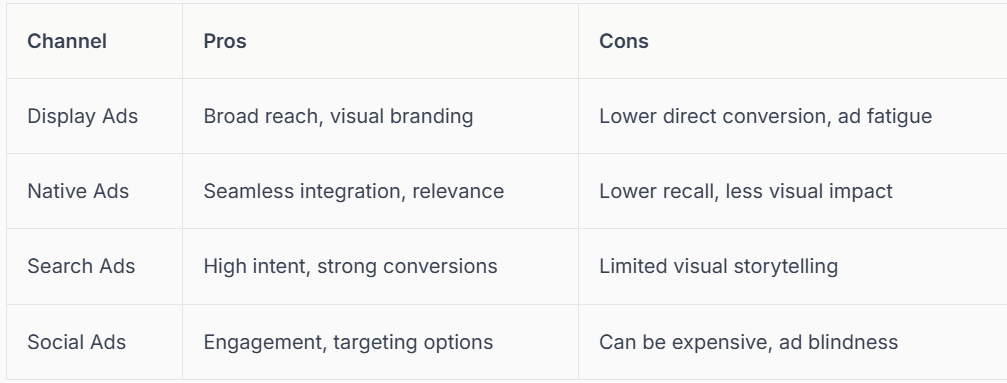
Interestingly, display ads drive 27% higher brand recall than native formats, according to Mailchimp. This makes them a powerful tool for brands aiming to stick in people’s minds, even as the digital landscape grows more competitive.
Setting Clear Objectives and KPIs for Display Campaigns
Setting clear objectives and tracking the right metrics is the backbone of
successful display ads campaigns. Without a roadmap, it’s easy to lose focus or miss out on valuable opportunities for growth. In this section, we’ll walk through how to align your display ads with business goals, choose the best KPIs, overcome measurement challenges, and set realistic benchmarks for 2026.
Aligning Display Ads with Business Goals
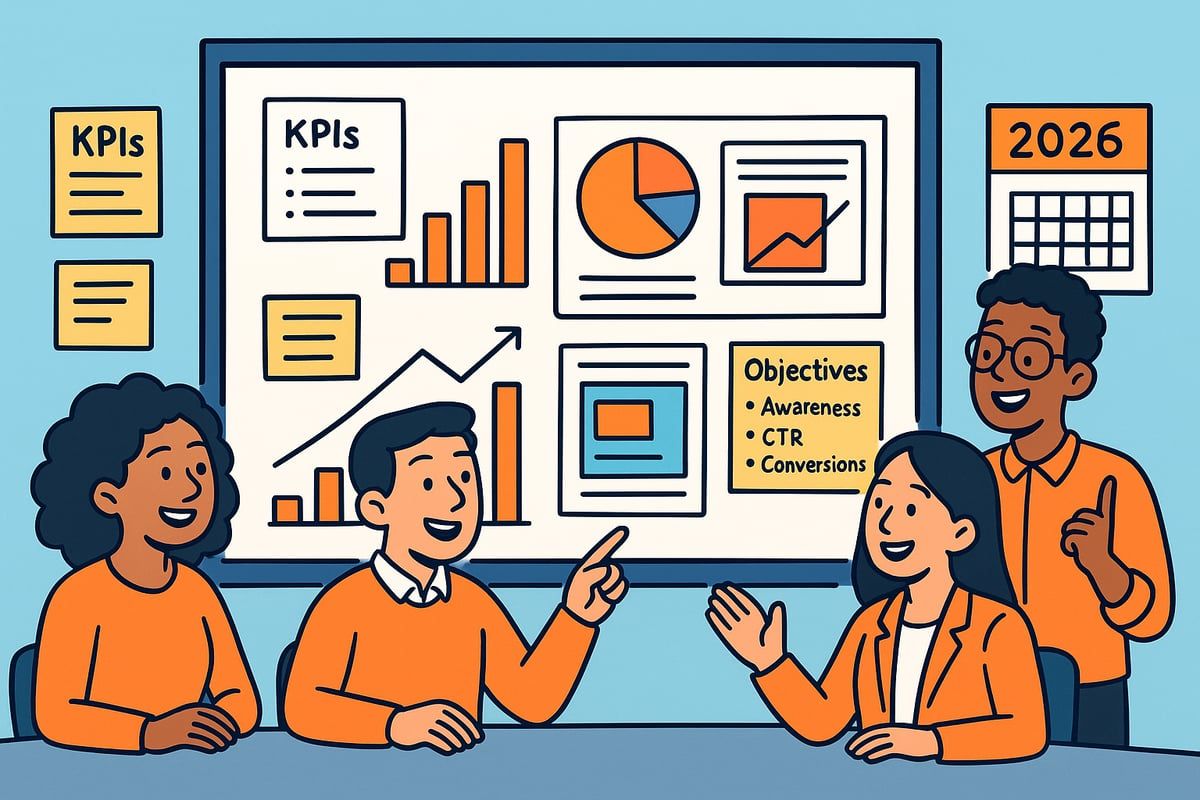
Every successful campaign starts with a clear purpose. Ask yourself, what do we want our display ads to achieve? Maybe it’s brand awareness, driving website visits, boosting sales, or encouraging repeat purchases. By matching specific objectives to each campaign, you’ll create a focused strategy that resonates with your audience.
Think about where your ads will appear. For example, you might run awareness campaigns on popular news sites to reach a broad audience, while retargeting campaigns could focus on niche blogs to engage those who already know your brand. This approach ensures your display ads are always working towards your business goals.
Essential KPIs to Track
To measure the impact of your display ads, it’s vital to track the right KPIs. Some of the most important metrics include:
- Impressions and clicks
- Click-through rate (CTR)
- Conversions and cost-per-action (CPA)
- Viewability
- Brand lift and assisted conversions
The industry average CTR for display ads is 0.35%, so use this as a baseline when reviewing your results. For more actionable tips on how to optimize these metrics, see these Proven ways to improve Google Ads performance. By focusing on relevant KPIs, you’ll know exactly where your campaigns shine and where there’s room to grow.
Attribution and Measurement Challenges
In today’s world, customers interact with brands across multiple devices and channels. This makes measuring the true impact of display ads a bit tricky. Multi-touch attribution helps you understand how each touchpoint contributes to conversions, rather than giving all the credit to the last click.
View-through conversions and assisted metrics are especially important for display ads, since users often see an ad before converting later. Tools like Google Analytics let you model these complex journeys, giving you a clearer picture of what’s working. By embracing these methods, you’ll unlock deeper insights into your display ads performance.
Setting Realistic Benchmarks for 2026
Looking ahead to 2026, it’s important to set benchmarks that reflect both your past performance and industry standards. Analyse your historical data to spot trends, but also adjust your targets as AI-driven optimisation becomes more common in display ads.
Keep in mind that privacy laws are changing the way we collect and use data. As a result, you may need to revisit your benchmarks and measurement strategies regularly. By staying flexible and informed, your display ads campaigns will stay effective and future-ready.
Advanced Targeting Strategies for Maximum Impact
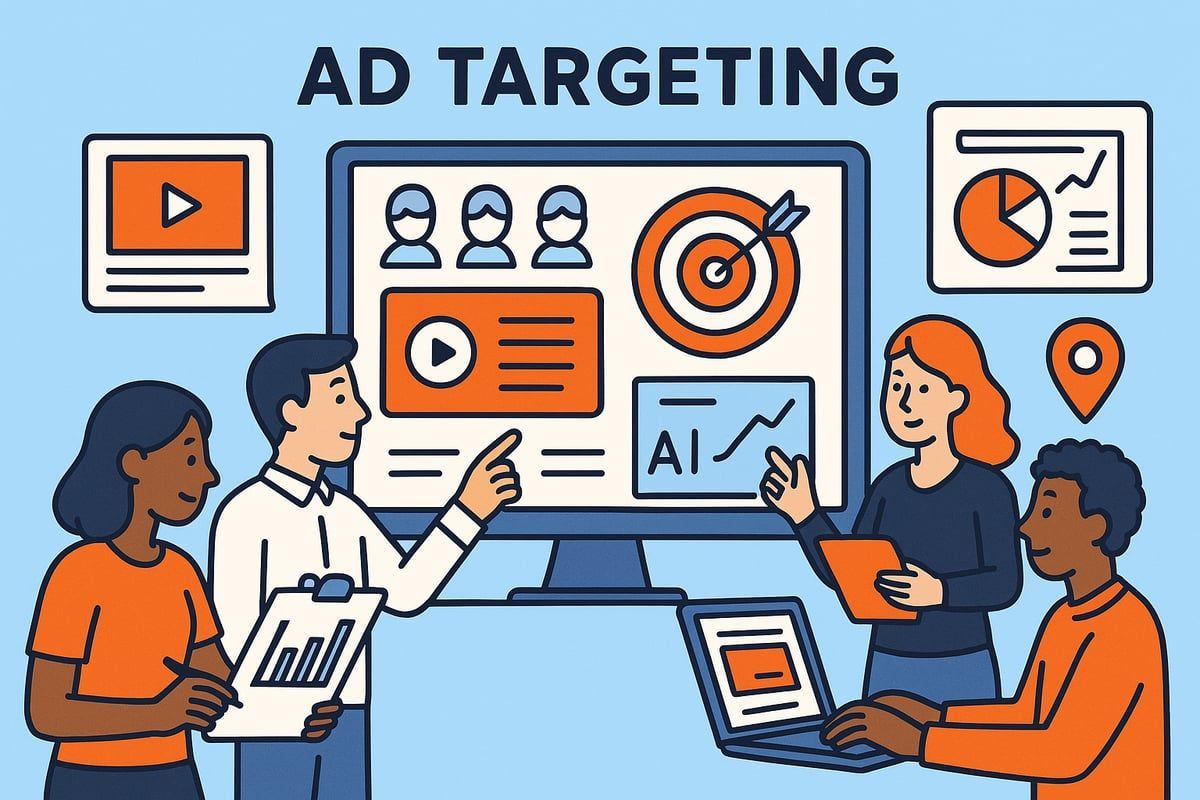
Staying ahead in display ads means mastering advanced targeting strategies that maximise both reach and relevance. As privacy regulations tighten and technology evolves, brands that adapt will continue to thrive. Let's explore how to transform your approach to targeting in 2026.
Harnessing First-Party and Zero-Party Data
With third-party cookies on the way out, collecting and leveraging your own data has never been more important for
successful display ads. First-party data comes from user behaviours on your website, while zero-party data is willingly shared by customers through surveys or preferences.
To build powerful audience segments:
- Sync CRM and email lists to your ad platforms
- Track site behaviour for retargeting and personalisation
- Collect preferences via quizzes or forms
This approach not only keeps your targeting future-proof but also deepens customer trust.
AI-Powered Audience Expansion
Artificial intelligence has changed the game for display ads targeting. Machine learning algorithms help you find new, high-value customers by building lookalike audiences and predicting who’s most likely to engage.
Platforms now dynamically create audiences using real-time signals, such as browsing patterns, purchase intent, and past interactions. Smart Display campaigns use AI to automate targeting, constantly learning and improving as more data comes in.
With these tools, your display ads can reach users you might never have identified manually, unlocking new growth opportunities and boosting campaign efficiency.
Contextual and Semantic Targeting in a Privacy-First Era
As privacy becomes the standard, contextual targeting is stepping into the spotlight for display ads. This strategy places ads based on the content of the page, rather than tracking users individually.
Advanced semantic analysis goes a step further, reviewing page sentiment, topics, and even user intent. The result? Your ads appear in moments that truly matter, enhancing relevance and user experience.
Did you know that contextual targeting can increase ad relevance by up to 30 percent? This makes it a win-win for both brands and audiences looking for respectful, privacy-first advertising.
Retargeting and Sequential Messaging
Retargeting remains a core tactic for display ads, but it’s evolving. The key is to balance reminders with value, ensuring your ads don’t become intrusive.
Best practices include:
- Limiting ad frequency to avoid fatigue
- Using dynamic creative to show products users viewed
- Sequencing messages to guide customers through the journey
For example, start with a gentle reminder, then follow up with a special offer. Sequential messaging helps nudge users towards conversion while keeping your brand top of mind.
Geo-Targeting and Localisation
Location-based targeting allows display ads to connect with users in meaningful, local contexts. By leveraging precise location data, you can promote in-store events, highlight regional offers, or showcase local services.
Customise your creative and offers for each location to increase engagement. For instance, a retailer might run ads for a shop opening in Manchester while offering exclusive deals to nearby customers.
This hyper-local approach ensures your display ads remain relevant and actionable, helping you stand out in crowded markets.
Cross-Device and Omnichannel Targeting
Today’s users move seamlessly between devices and platforms. To
succeed with display ads, you need to provide consistent messaging wherever your audience goes, from web and mobile to connected TV and apps.
Track engagement across channels while respecting privacy. Omnichannel strategies ensure that your creative, offers, and calls-to-action align, no matter where your audience interacts with your brand.
Remember, 60 percent of conversions now involve multiple devices. Unifying your display ads across channels not only increases impact but also delivers a smoother, more memorable user experience.
Creative Excellence: Designing High-Performing Display Ads
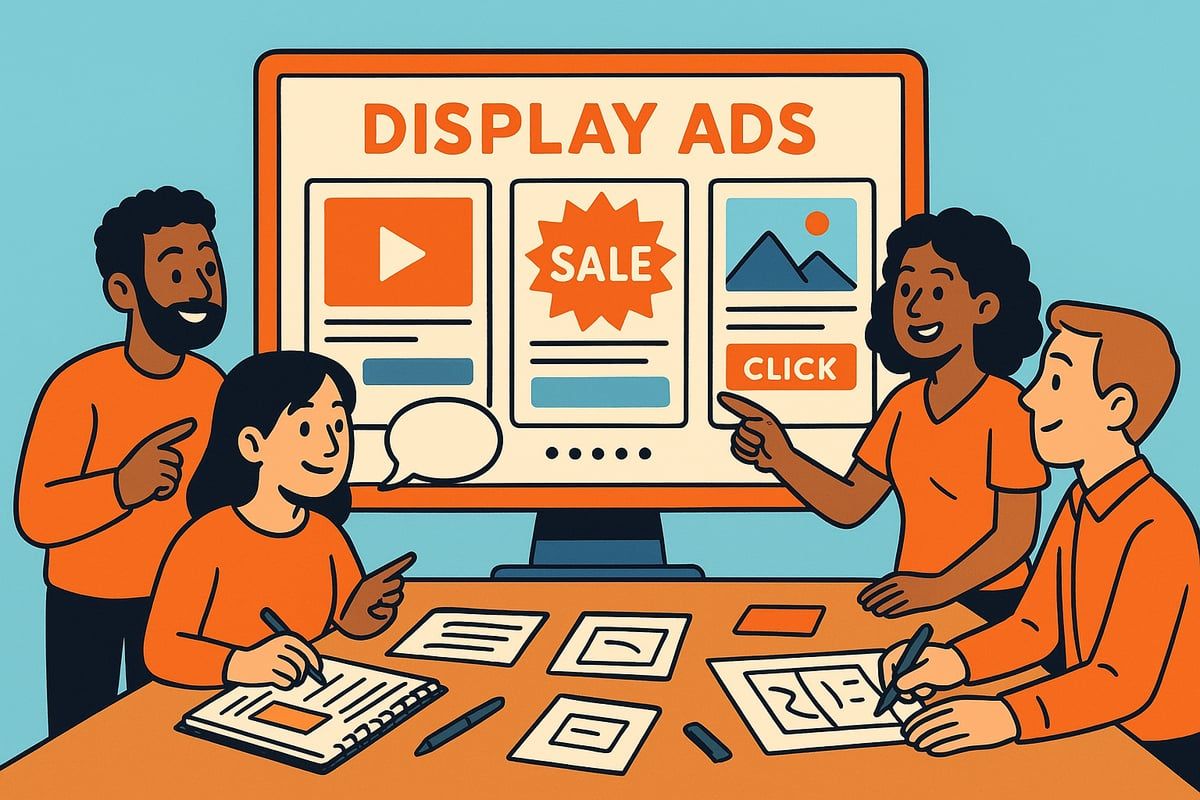
Achieving creative excellence is the secret ingredient that transforms display ads from forgettable to unforgettable. In a world where users are bombarded with visuals, it is our job to make sure our display ads capture attention, spark curiosity, and drive results. Let us explore the building blocks of high-performing display ads for 2026.
Visual Best Practices for 2026
The visual landscape of display ads in 2026 is vibrant, bold, and highly interactive. Strong visuals are not just a bonus, they are an expectation. Use bold colour palettes, crisp images, and clear brand elements to ensure your display ads stand out. Animations and interactive elements, such as hover effects, help capture fleeting attention.
Design for mobile-first experiences, as most users engage with display ads on their phones. Responsive ad formats automatically adjust to different placements, ensuring consistency. Think beyond static images, and incorporate subtle motion or interactive features to encourage engagement.
- Use high-contrast colours and legible fonts
- Make logos and brand colours prominent
- Test animations, but keep them smooth and not distracting
Ultimately, eye-catching visuals are the first step in making sure your display ads are seen and remembered.
Copywriting That Converts
Words matter as much as
visuals in display ads. The right copy can turn a casual glance into a meaningful click. Focus on clear, concise headlines that communicate value straight away. Your call to action should be direct and inviting, making it clear what you want users to do next.
Personalisation is a game changer for display ads. Use dynamic text to address users by location, interest, or behaviour. For example, a display ad might say, "Exclusive offer for London shoppers" to boost relevance.
- Keep headlines under 40 characters
- Use active verbs and benefit-driven language
- Match the tone to your brand voice
Remember, every word in display ads should have a purpose, guiding users towards your desired action.
Rich Media and Interactive Formats
Static banners are no longer enough for high-performing display ads. Rich media formats, such as video, carousels, and playable ads, increase engagement and recall. Interactive display ads invite users to explore, swipe, or even play short games, doubling engagement rates compared to standard formats.
Video snippets can showcase products in action, while carousels let users browse multiple offerings within one display ad. Playable ads, especially in gaming and app environments, provide a taste of the experience before users commit.
- Incorporate video for storytelling
- Use carousels for product variety
- Try quizzes or polls for interactivity
By making display ads interactive, brands can create memorable experiences that encourage deeper engagement.
Brand Consistency and Compliance
Consistency is essential in display ads, ensuring every impression reinforces your brand identity. Use the same logo, colour palette, and messaging across all creatives. This builds trust and makes your display ads instantly recognisable, no matter where they appear.
Compliance is equally important. Follow platform guidelines and accessibility standards. Make sure text is legible, images are not cluttered, and animations do not cause discomfort for sensitive users. Consistent use of your brand elements creates a cohesive look and feel.
- Check all creatives for brand elements
- Use alt text for images to improve accessibility
- Stay updated on platform ad policies
Strong, compliant display ads make your brand shine and avoid costly rejections or negative user experiences.
A/B Testing and Creative Optimisation
Continuous improvement is the key to sustained display ads success. A/B testing allows us to compare different visuals, headlines, and calls-to-action, revealing what resonates most with our audience. Test only one element at a time for clear results.
Leverage AI-powered tools and platforms, like those detailed in the Google Ad Manager guide 2026, to automate creative versioning and optimisation. These platforms help identify winning combinations quickly, saving time and budget.
- Set up regular creative tests
- Use clear metrics (CTR, conversions) to judge success
- Rotate top-performing assets into more placements
With data-driven insights, display ads can evolve to match audience preferences and market trends.
Avoiding Creative Fatigue
Even the best display ads lose their impact if shown too often. Creative fatigue leads to declining engagement and wasted budget. Regularly update and rotate ad assets to keep your campaigns fresh.
Monitor performance signals, such as falling CTR or increased frequency, to spot fatigue early. Plan monthly creative refreshes as a rule of thumb, as ads updated monthly tend to perform 33 percent better than static campaigns.
- Set a rotation schedule for creative assets
- Track performance and replace underperformers
- Experiment with seasonal or event-based themes
By keeping display ads lively and relevant, you ensure your campaigns continue to delight and convert.
Smart Bidding, Budgeting, and Automation for 2026
Navigating the world of display ads in 2026 means embracing a new era of automation,
smart bidding, and advanced budgeting. With technology advancing rapidly, brands must harness these tools to stay ahead, maximise returns, and keep campaigns running efficiently.
Programmatic Buying and Real-Time Bidding
Programmatic buying has transformed how display ads are purchased and delivered. Instead of manual negotiation, brands now rely on automated platforms that use real-time bidding (RTB) to secure the best ad placements across the web.
This approach brings several benefits:
- Greater efficiency and speed in buying display ads
- Access to premium inventory at scale
- Improved targeting options based on data
A prime example is the Google Display Network, where automated bidding strategies help marketers reach relevant audiences across devices. As programmatic spending surges globally, staying informed on future trends is vital.
AI-Driven Budget Allocation
Artificial intelligence is reshaping how
budgets are managed for display ads. Rather than relying on static budgets, smart systems now analyse campaign performance in real time and shift spend towards the highest-converting audiences and placements.
This means budgets are always working harder for you. For instance, machine learning can identify which segments respond best to certain creative assets, then prioritise investment accordingly. Studies show that AI-optimised display ads campaigns can reduce cost-per-action by up to 25 percent.
To make the most of these advancements, set flexible budgets and review performance regularly. Let AI guide your spend, but don’t forget to monitor results and adjust strategies as needed.
Smart Bidding Strategies
Choosing the right bidding method is crucial for display ads success. Today’s platforms offer choices like CPC (cost-per-click), CPM (cost-per-thousand impressions), CPA (cost-per-action), and ROAS (return on ad spend) bidding.
Smart bidding uses automation to adjust bids based on variables such as device, location, and time of day. For example, Google’s Target CPA and Target ROAS strategies leverage historical data and real-time signals to maximise efficiency.
To get started:
- Define your primary campaign objective
- Match your bidding strategy to that goal
- Regularly test and refine for ongoing improvement
Smart bidding takes the guesswork out of campaign management, ensuring your display ads are always optimised for performance.
Automation Tools and Platforms
The rise of automation tools has made managing display ads campaigns easier than ever. Leading platforms now offer end-to-end solutions that handle everything from creative assembly to budget allocation and performance reporting.
Examples include Mailchimp’s automated campaign workflows, which seamlessly integrate with audience data and creative assets. These tools free up your team to focus on strategy and creative innovation, while automation handles repetitive tasks.
When evaluating automation platforms, consider:
- Integration with existing marketing tools
- Reporting capabilities and transparency
- Customisation options to match your brand’s needs
Embracing automation means your display ads can run smarter, quicker, and more effectively.
Balancing Automation with Human Insight
While automation powers much of today’s display ads landscape, human expertise remains vital. Machines excel at analysing massive datasets and making split-second decisions, but creative strategy and brand storytelling require a human touch.
The best results come when automation and human insight work together. For instance, a leading brand might use AI to identify high-performing segments, then rely on marketing experts to craft tailored creative for those audiences.
Regular oversight, creative input, and ongoing learning are essential. By blending the strengths of both, your display ads campaigns will stay agile, relevant, and ahead of the competition.
Measuring, Analysing, and Optimising Display Ad Performance
Measuring the success of display ads is more than just tracking numbers. It is about understanding what drives results and how each element connects to your business goals. With so much changing in the digital space, having a clear approach to measurement, analysis, and ongoing optimisation is what sets winning campaigns apart.
Key Metrics and Reporting Tools
To make the most of display ads, you need to track the right metrics. Impressions, clicks, click-through rate (CTR), conversions, and viewability are all essential.
Cost-per-action (CPA) and return on ad spend (ROAS) help you see the bigger picture, especially as budgets tighten.
Brands now use a mix of tools like Google Analytics, Data Studio, and in-platform dashboards to bring all this data together.
Attribution Modelling for Display Ads
Attribution models help you understand how display ads influence conversions. Linear models give equal credit to each touchpoint, while time decay gives more weight to recent interactions. Data-driven models use machine learning to assign value based on actual user behaviour.
Knowing where display ads fit in the customer journey is crucial. For example, display often assists conversions rather than driving the final click. On average, display ads contribute to 40 percent of conversions in multi-channel journeys, highlighting their importance beyond last-click metrics.
Incrementality and Brand Lift Measurement
It is not enough to know that display ads drive clicks. You also want to measure the true impact. Incrementality testing, like holdout tests, reveals what results come from your ads versus what would have happened anyway. Brand lift studies measure changes in awareness, consideration, and recall.
Running these tests helps you prove value to stakeholders and refine your creative or targeting. Tools like Google Brand Lift for YouTube display ads make it easier to measure outcomes that matter, not just vanity metrics.
Continuous Optimisation Cycles
The best display ads campaigns are never set and forgotten. Regular reviews help you spot underperforming segments, refresh creatives, and reallocate budget to what is working. Weekly performance check-ins keep your campaigns agile and responsive to changes in audience behaviour.
Set up a routine for creative and audience analysis. Use findings to tweak strategies and test new ideas. This cycle of review and optimisation ensures your display ads stay ahead of the curve and deliver lasting results.
Navigating Privacy and Data Limitations
Privacy changes are reshaping how we measure
display ads performance. With cookies fading out, marketers are turning to aggregated and anonymised data. This means shifting from user-level tracking to broader trends and patterns.
Seventy percent of users now expect privacy-first ad experiences by 2026. Adapting your measurement strategy is essential. Focus on insights that respect privacy while still revealing the value display ads bring to your business. This approach builds trust and keeps you prepared for the future.
The Future of Display Ads: Innovations and Predictions
The future of display ads promises a landscape full of innovation, where creativity and technology combine to create more meaningful connections with audiences. As we look toward 2026, staying ahead means embracing new formats, responsible data practices, and team agility.
Emerging Technologies and Formats
Display ads are rapidly evolving, moving beyond traditional banners to embrace immersive technologies. Augmented and virtual reality formats are opening doors to interactive experiences, especially in retail environments where shoppers can engage with products virtually.
Connected TV (CTV) and digital out-of-home (DOOH) are also reshaping how brands reach audiences. Industry bodies are responding, with the IAB Tech Lab's CTV Ad Portfolio and Guide setting new standards for programmatic, cross-screen display ads. These innovations are making campaigns more engaging and measurable.
AI and Personalisation at Scale
Artificial intelligence is transforming display ads by enabling hyper-personalised messaging at massive scale. AI analyses real-time audience signals and tailors creative assets to individual preferences, driving deeper engagement.
Predictive targeting means brands can reach users with relevant content before they even search. Studies show that personalised display ads deliver up to three times higher engagement compared to generic campaigns. By harnessing AI, we can create experiences that truly resonate with each user.
Privacy, Ethics, and Consumer Expectations
As privacy regulations tighten, the way we approach display ads must evolve. Users are demanding transparency and control over their data, pushing brands to adopt privacy-first strategies.
Being ethical means not just complying with laws like GDPR but also fostering genuine trust. Brands leading with privacy-first ad messaging are standing out, proving that respecting consumer expectations can be a competitive advantage in the display ads space.
Preparing Your Team for the Future
To thrive in the future of display ads, our teams need to adapt quickly. Upskilling in AI, data analysis, and creative strategy will be crucial. Collaboration between creative and technical experts ensures campaigns are both innovative and effective.
According to industry insights, 80% of marketers plan to increase their investment in display ads by 2026. Building a culture of learning and adaptability will help us stay ahead as new technologies and platforms emerge.
Action Steps for 2026 Readiness
Getting future-ready means acting now. Here are practical steps for display ads success in 2026:
- Invest early in emerging formats like AR, CTV, and interactive ads.
- Prioritise ongoing testing, learning, and creative refreshes.
- Build agile strategies that can flex with privacy laws and tech changes.
- Foster a team culture of innovation and continuous improvement.
By taking these steps, we can ensure our display ads strategies not only keep up but lead the way in 2026.
As we look ahead to a future shaped by smarter display ads, privacy-first strategies, and creative innovation, it’s clear that staying ahead means more than just following trends—it’s about making your business truly stand out in local and digital spaces. If you want a partner who understands both the trade and the tech, and who’s dedicated to helping you shine on Google and beyond, we’re here for you. Let’s make sure your profile is verified, optimised, and ready for the next wave of opportunities together.Contact connect SEO Today