Ads On Google Cost Guide: What To Expect In 2026
In 2026, digital competition is fiercer than ever, making Google Ads a vital tool for businesses looking to stand out and grow. As online advertising evolves, understanding the ads on google cost is more important than ever for effective budgeting and strategic planning.
With shifting trends and new technologies, knowing what to expect can make all the difference in your ROI. By staying informed, you’ll gain the confidence to navigate changes and outpace competitors.
This guide covers everything you need to know, including an overview of Google Ads, key cost drivers, 2026 pricing trends, smart budgeting tips, industry benchmarks, and future predictions. Ready to plan your next campaign? Read on to gain the edge you need.
Understanding Google Ads: Types and Pricing Models
Google Ads is at the heart of digital marketing for thousands of businesses. If you want your brand to stand out in search results or across the web, understanding ads on google cost is your first step. Let’s explore what Google Ads are, how their pricing works, and what shapes your spend.
What Are Google Ads?
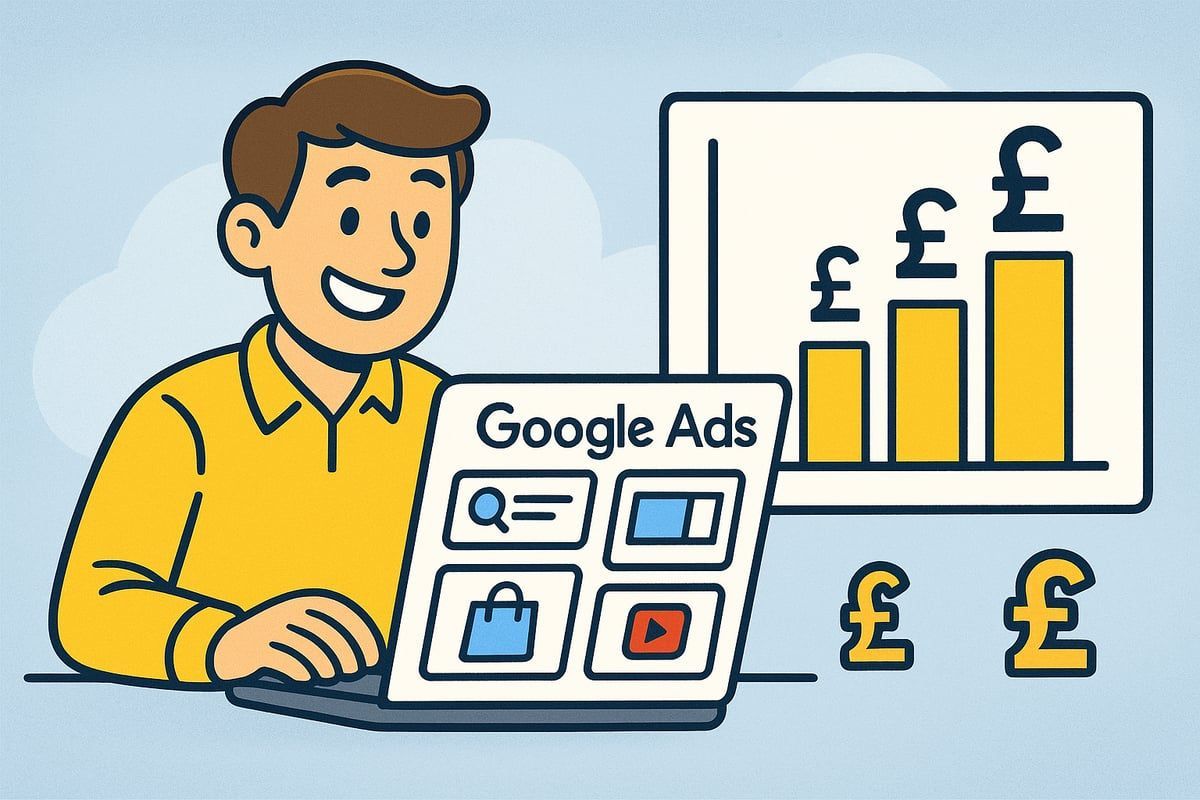
Google Ads is Google’s advertising platform, connecting businesses to potential customers online. Using a
pay-per-click (PPC) model, advertisers only pay when someone interacts with their ad, such as clicking on a link.
The Google Ads network covers several channels:
- Search: Ads appear beside search results.
- Display: Banners on websites and apps.
- Shopping: Product listings for e-commerce.
- Video: Ads on YouTube.
- App: Promoting mobile apps.
Ads are triggered by what people search for and the keywords you target. For example, a search ad for “emergency plumber” usually costs more than a display ad for a local gym. This is because search ads connect with high-intent users, impacting ads on google cost.
Types of Google Ads and Their Cost Structures
There are five main types of Google Ads, each with its own cost structure. Let’s break down the basics:
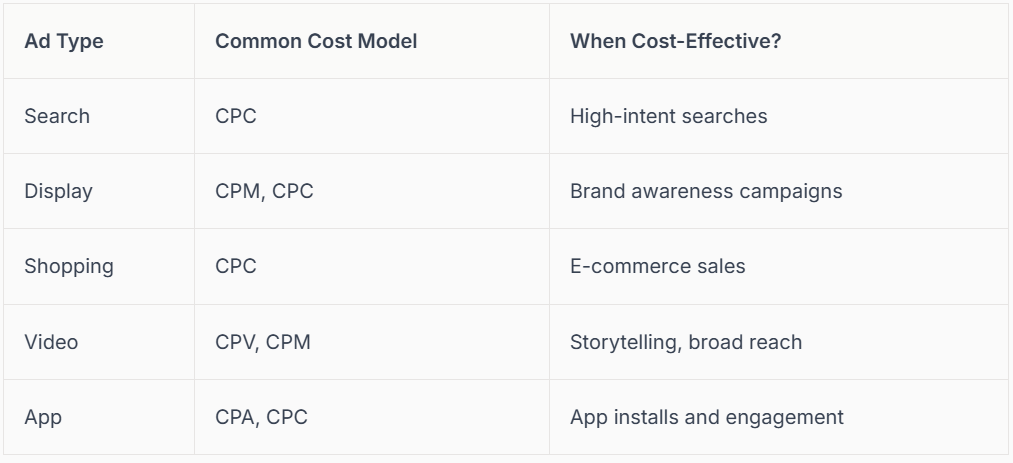
- CPC (Cost Per Click): Pay for each click.
- CPM (Cost Per Mille): Pay per 1,000 impressions.
- CPA (Cost Per Acquisition/Action): Pay when a user completes a specific action.
The format you choose changes your ads on google cost. For example, shopping ads can be more cost-effective for retailers, while Video ads might suit brands wanting exposure.
How Google’s Auction System Works
Every time someone searches or browses, Google runs a real-time auction to decide which ads to show. Your ads on google cost is shaped by how much you bid, but also by your ad’s relevance.
Google considers:
- Bid Amount: The maximum you’re willing to pay.
- Quality Score: Based on expected clickthrough rate, ad relevance, and landing page experience.
- Ad Rank: Combines bid and Quality Score to decide placement.
Example: If two estate agents bid on “sell my house fast,” the one with a better Quality Score could pay less and still win a higher position. This means optimising your ad can lower your ads on google cost.
Typical Cost Ranges in 2025 vs. 2026 Projections
In 2025, average
cost-per-click (CPC) ranged from £0.20 to £5.00, with sectors like finance and legal seeing the highest rates. Looking ahead, ads on google cost is expected to rise as competition grows and algorithms evolve.
Industry reports and competitor data suggest that some sectors may see CPC increases of 5–10% by 2026. This is especially true for industries with lots of advertisers, like retail and healthcare.
Remember, your ads on google cost will vary depending on your industry, ad type, and campaign goals. Keeping up with trends and data helps you budget smarter for the future.
Key Factors Influencing Google Ads Costs in 2026
Understanding what drives ads on google cost is essential for anyone planning a successful campaign in 2026. Several interconnected factors play a role in shaping your final spend, so let's break them down to help you make smarter decisions.
Keyword Competitiveness and Trends
The competitiveness of your chosen keywords is one of the biggest influences on ads on google cost. Highly sought-after keywords, such as those in the insurance or legal sectors, can drive up costs as more advertisers bid for the same terms.
For example, "car insurance" might see fierce bidding, while a niche hospitality keyword could cost less. In 2026, the trend towards long-tail keywords continues, offering a cost-saving path for advertisers willing to target more specific searches. Using tools like Google Keyword Planner helps identify these opportunities. For even deeper insights into managing keyword competitiveness, check out the Google PPC expert guide 2026.
Quality Score and Ad Relevance
Google rewards advertisers who create relevant, high-quality ads. The Quality Score is made up of expected click-through rate, ad relevance, and landing page experience. Improving these elements can lower ads on google cost, as Google charges less per click for ads that offer users a better experience.
Suppose two companies are bidding on the same keyword. The business with a higher Quality Score often pays less per click, even with a lower bid. Focusing on ad copy, keyword alignment, and landing page quality is key for cost savings in 2026.
Industry and Market Competition
Different industries face varying ads on google cost, depending on how many advertisers are competing for attention. Finance, legal, and healthcare often top the charts for highest cost per click, while retail and hospitality can be less expensive.
As more businesses invest in digital advertising, especially in 2026, competition is expected to intensify. This means keeping an eye on your industry's trends and competitor activity is more important than ever to manage your spending effectively.
Geographic and Audience Targeting
Where and who you target also has a big impact on ads on google cost. National campaigns tend to be more expensive than local ones, simply because they reach a broader audience and often face stiffer competition.
Targeting specific demographics or devices can also affect your costs. In 2026, advanced targeting options allow for greater precision, but may also increase cost in highly sought-after locations or among premium audiences. Balancing reach with relevance is crucial.
Ad Format, Extensions, and Placement
Not all ad types are created equal when it comes to ads on google cost. For instance, Shopping ads often have a different cost structure compared to Search or Display ads. Using ad extensions like sitelinks and callouts can improve performance without increasing your
cost per click.
New ad formats and placements, especially those powered by AI in 2026, may offer fresh opportunities but can also shift the cost landscape. Comparing options and testing what works best for your goals is a smart move.
2026 Google Ads Cost Trends and Predictions
Understanding the evolving landscape of ads on google cost is essential for anyone planning a successful digital campaign in 2026. As competition intensifies and technology advances, knowing what drives prices and how to predict future costs will give your business a real edge. Let’s explore the key trends, forecasts, and innovations shaping the year ahead.
Historical Cost Data and Recent Changes
Over the past few years, the ads on google cost landscape have seen noticeable shifts. From 2023 to 2025, average cost-per-click (CPC) and cost-per-acquisition (CPA) figures have risen steadily. Factors such as inflation, more advertisers entering the market, and regular Google algorithm updates have all contributed to these increases.
For example, in 2023, average CPCs ranged from £0.20 to £4.50, with higher rates in industries like finance and legal. By 2025, these figures had crept up, with some sectors seeing averages above £5.00 per click.
This historical perspective is crucial for setting realistic expectations and preparing for future changes in ads on google cost.
Expected Changes in Google’s Ad Platform
In 2026, Google Ads is set to undergo several significant updates. Automation and AI will play even bigger roles, making campaign
management more efficient but also more competitive. Expect smarter bidding, more precise targeting, and a heavier focus on privacy.
These changes will directly influence how ads on google cost is calculated. With improved algorithms, advertisers may see better return on investment, but the increased sophistication could also lead to higher average costs as more businesses compete for top placements.
Staying up to date with Google’s evolving features is vital for anyone looking to maximise their advertising budget and performance.
Projected Average CPC and CPA for 2026
Looking forward, industry experts predict a continued upward trend in ads on google cost, especially for highly competitive sectors. For example, projected average CPCs for legal services could reach £7.50, while retail might hover closer to £1.20. CPAs are also expected to rise, with some industries seeing acquisition costs increase by 10–15% over 2025 figures.
Here’s a quick comparison:
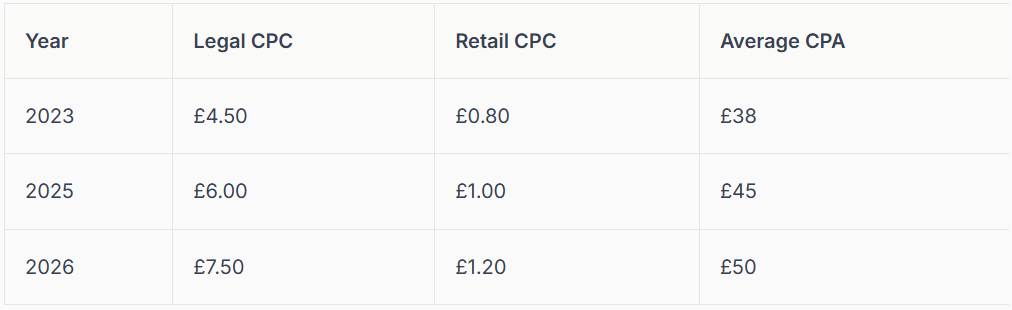
Understanding these projections helps you benchmark your own ads on google cost against industry standards and plan your budget more effectively.
How Privacy and AI Will Impact Costs
New privacy regulations are reshaping how advertisers target audiences in 2026. With the decline of third-party cookies and increased user consent requirements, precise targeting is more challenging. This shift can push ads on google cost higher, as advertisers compete for limited, high-quality data.
At the same time, AI is revolutionising bid management and ad relevance. Automated systems can optimize campaigns in real time, potentially lowering costs for those who leverage them effectively. However, as more advertisers adopt AI tools, the competitive advantage may shrink, further influencing ads on google cost.
Balancing privacy compliance with smart AI adoption will be key for cost-effective campaigns.
Emerging Ad Formats and Their Cost Implications
2026 brings a wave of new ad formats to Google’s platform. Businesses can now explore:
- Immersive ads using AR and VR
- Voice search campaigns
- Local service ads tailored for hyperlocal audiences
Each of these formats has a unique pricing model. For instance, immersive ads often use cost-per-engagement (CPE), which can be higher than traditional CPCs but may deliver stronger interaction rates. Voice search and local ads may offer more cost-effective options for certain sectors, yet their popularity could drive up prices as adoption grows.
Choosing the right format for your goals is crucial to managing your ads on google cost in this dynamic environment.
Seasonal and Economic Factors in 2026
The broader economic climate and seasonal events will continue to shape ads on google cost throughout 2026. For example, major sporting events or new product launches can cause temporary spikes in competition and prices. Economic downturns, on the other hand, may lead to reduced advertiser activity and lower average costs.
It’s wise to monitor key dates and broader trends when planning your campaigns. Flexibility in your strategy will help you navigate these fluctuations and keep your ads on google cost under control.
How to Budget for Google Ads in 2026
Setting a smart budget for your
Google Ads campaigns in 2026 can feel overwhelming, but with a clear plan, you can set yourself up for success. The ads on google cost landscape is always evolving, so understanding how to allocate your resources will keep you ahead of the competition. Let’s break down the steps to build a budget that works for your goals and maximises your return.
Setting Realistic Campaign Budgets
Start by clarifying your business objectives. Are you aiming for leads, sales, or brand awareness? Next, research your industry benchmarks for ads on google cost, as costs can vary widely by sector and campaign type.
Calculate your daily and monthly budget. For example, if you want 100 clicks a day and the average CPC is £1, you’ll need £100 daily. Adjust for seasonality and historical performance. Local campaigns often require less spend than national ones, so align your budget to your target audience and reach.
Tools and Resources for Cost Estimation
Accurate forecasting is vital for
managing ads on google cost. Use tools like Google Keyword Planner and the Google Ads Forecast Tool to estimate keyword CPCs and campaign spend.
Third-party solutions, such as cost calculators and industry-specific benchmarking sites, can provide additional insights. These tools let you compare expected results, tweak your plan, and set realistic expectations. Always revisit your estimates as trends shift and new data becomes available.
Choosing the Right Bidding Strategy
The bidding strategy you choose directly affects your ads on google cost. Manual bidding gives you full control, letting you set exact maximum CPCs. However, automated options like Smart Bidding (Maximise Clicks, Target CPA, Target ROAS) use AI to optimise bids for your goals.
For new campaigns or limited data, start with Maximise Clicks to gather information. For established campaigns with clear targets, consider Target CPA for lead generation or Target ROAS for e-commerce. The right approach helps you avoid overspending while driving the results you need.
Monitoring and Adjusting Spend
Regularly tracking your campaign performance is key to keeping ads on google cost in check. Review your spending weekly or monthly, and compare it with your goals and ROI.
Use analytics to spot underperforming keywords, wasted spend, or opportunities to reallocate budget. If your campaigns stop spending or miss targets, explore resources like Google Ads not spending: budget issues for practical solutions and troubleshooting tips. Staying proactive ensures your budget delivers value.
Avoiding Common Budgeting Pitfalls
Many businesses make similar mistakes when managing ads on google cost. Common pitfalls include overbidding on broad keywords, underestimating competition, and neglecting negative keywords.
To avoid wasted spend, review your search terms regularly and add negatives to block irrelevant clicks. Benchmark against industry leaders and adjust for market changes. Remember, a flexible, data-driven approach will help you get the most from every pound in 2026.
Google Ads Cost Benchmarks by Industry and Campaign Type
Understanding how ads on google cost varies across industries and campaign types is crucial for planning your 2026 advertising strategy. Let’s explore average costs, objectives, and real-world examples, giving you the clarity you need to budget wisely.
Industry-Specific Cost Benchmarks
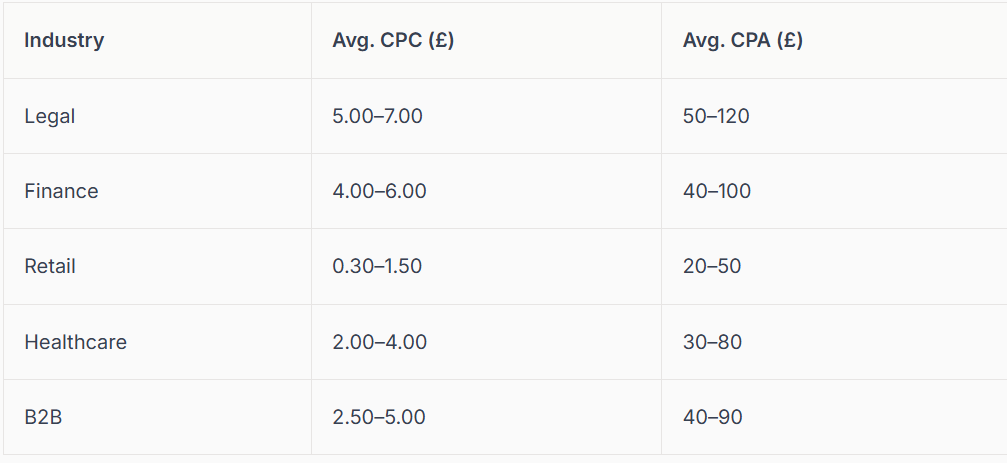
When it comes to ads on google cost, industry plays a massive role in shaping your CPC and CPA benchmarks. For instance, finance and legal sectors often see average CPCs of £4–£7, while retail and ecommerce typically range from £0.30 - £1.50. Healthcare, B2B, and insurance also tend to be on the pricier side due to high competition and the value of conversions.
Below is a quick comparison of average industry costs:
For a personalised estimate tailored to your sector, try the Google Ads Cost Calculator, a handy tool to support your budgeting.
Cost Differences by Campaign Objective
Your campaign’s goal has a direct impact on how much ads on google cost. Brand awareness campaigns focus on impressions, so they often rely on CPM (cost per thousand views) and can be more affordable per interaction but less so per conversion. Lead generation campaigns, on the other hand, usually have higher CPCs and CPAs since the value of each lead is greater.
For example, a campaign optimised for direct sales in ecommerce may have a lower cost per conversion than a campaign targeting high-value legal leads. Choosing the right objective helps you control spending and maximise results.
Local vs. National Campaigns
Geographic targeting is a big factor in how ads on google cost is determined. Local campaigns, such as those for a service business in Manchester, tend to have much lower competition and thus lower CPCs, sometimes between £0.20–£0.80. In contrast, national campaigns targeting all of the UK are more competitive, with CPCs that can easily double or triple.
Let’s say you’re running a local plumbing ad versus a national retail campaign. The local ad will likely cost less per click and bring in more targeted leads, while the national campaign reaches a broader, more competitive audience.
Shopping, Video, and Display Ad Cost Benchmarks
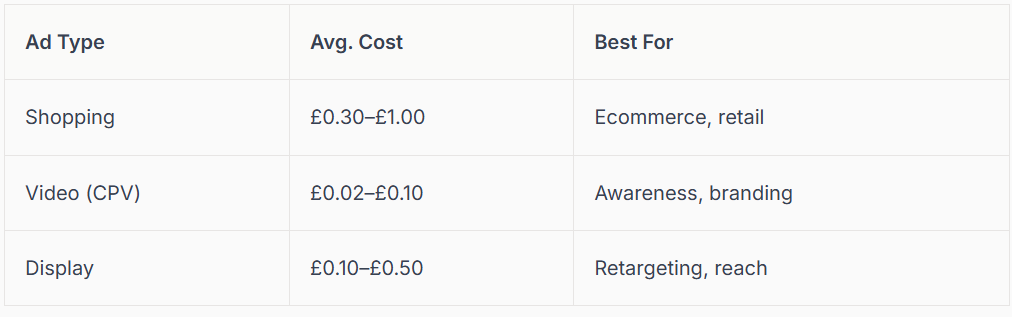
Format matters when considering how ads on google cost varies. Google Shopping ads typically have a CPC of £0.30 - £1.00, making them cost-effective for ecommerce brands. YouTube Video Ads operate mostly on a CPV (cost per view) model, with average CPVs of £0.02–£0.10, suitable for brand awareness. Display Ads, shown across Google’s partner sites, average £0.10 - £0.50 per click, ideal for retargeting or broad visibility.
Here’s a handy summary:
Matching the right format to your goals can make a significant difference in your results.
Case Studies and Real-World Examples
Let’s look at how ads on google cost plays out in real-world campaigns. A healthcare provider running local ads saw a CPC of £1.10 and a CPA of £35, generating steady enquiries within budget. Meanwhile, a national B2B tech company faced higher CPCs of £3.20 and CPAs closer to £65, reflecting the competitive landscape and higher-value leads.
In both cases, careful targeting, ongoing optimisation, and a clear understanding of industry benchmarks led to effective advertising spend. The lesson is clear: knowing your sector’s averages and adjusting your approach can help you get the best value in 2026.
Maximising ROI and Reducing Google Ads Costs in 2026
Unlocking the full potential of your Google Ads campaigns in 2026 means staying ahead with smart strategies, clever tools, and ongoing learning. Let’s dive into proven ways to maximize your return on investment and keep the ads on google cost under control, so your budget works harder for you.
Advanced Optimisation Strategies
Improving the ads on google cost starts with a focus on Quality Score. This score is shaped by your ad’s click-through rate, its relevance, and the landing page experience. A higher Quality Score means lower CPCs and better ad placement.
Try these steps:
- Use negative keywords to filter out irrelevant traffic.
- Regularly test new ad copy and creative.
- Optimise your landing pages for fast load times and relevance.
For example, boosting your Quality Score by just one point can lead to a noticeable drop in cost per click. For more actionable insights, check out these proven ways to improve Google Ads performance.
Leveraging Automation and AI
In 2026, automation and AI are your secret weapons for controlling the ads on google cost. Google’s smart bidding strategies, such as Target CPA or Maximise Conversions, use machine learning to optimize your bids in real time, saving you both time and budget.
AI-driven ad copy and audience targeting help you reach the right people at the right moment. By letting automation handle repetitive tasks, you can focus on creative strategy and campaign growth.
Staying updated with Google’s evolving automation tools ensures your ads stay competitive, while your costs remain as efficient as possible.
Conversion Tracking and Attribution
Accurate conversion tracking is essential for understanding your ads on google cost and ensuring every pound is well spent. Set up conversion actions in Google Ads to monitor leads, purchases, or sign-ups.
Explore different attribution models, such as last click or data-driven, to see which channels and keywords contribute most to your ROI. This clarity allows you to allocate budget to the campaigns that truly drive results.
When you know which ads are working best, you can invest wisely and reduce wasted spend, keeping your cost per acquisition in check.
Ongoing Campaign Analysis and Adaptation
Continual analysis is key to lowering your ads on google cost over time. Schedule regular campaign reviews—monthly reviews offer quick adjustments, while quarterly reviews help spot bigger trends.
Consider these best practices:
- Monitor key metrics like CPC, CTR, and conversions.
- Adjust bids and budgets based on real-time performance.
- Use analytics to identify underperforming keywords or ads.
Adapting your approach in response to data keeps your campaigns agile and ensures you’re always making the most of your ad spend.
Future Outlook: The Evolution of Google Ads Costs Beyond 2026
As we look ahead, the landscape of ads on google cost is set to evolve rapidly. The digital marketplace is becoming ever more competitive, and understanding where costs are heading is essential for staying ahead. Let’s explore what the future may hold for businesses wanting to maximise their advertising investment.
Long-Term Trends in Digital Advertising Costs
Looking beyond 2026, ads on google cost are likely to continue their upward trend, but not without some fluctuations. Key drivers include growing advertiser demand, evolving consumer habits, and macroeconomic factors such as inflation or market downturns.
Experts predict that as more businesses enter the digital space, competition for prime keywords will intensify. This could push average costs higher, especially in sectors like finance and healthcare. However, innovation in campaign strategies and smarter targeting may help offset some increases.
If you are planning for the long term, consider reviewing industry benchmarks and historical trends such as those found in the PPC vs Display Advertising Benchmarks 2025 to guide your budget decisions.
Innovations in Ad Technology
Emerging technology will play a major role in shaping ads on google cost for years to come. Artificial intelligence and machine learning are already transforming how ads are created, targeted, and optimised.
We should expect new ad formats, such as immersive AR experiences and voice search ads, to enter the mainstream. These innovations offer exciting opportunities, but they may also introduce new pricing models that could affect your budget. Businesses that adopt these technologies early might gain a competitive edge and better cost efficiency.
Keeping an eye on how these advancements impact bidding and placement will help you make informed choices as the landscape shifts.
The Role of Regulation and Consumer Privacy
Changes in privacy laws and regulations will also influence ads on google cost. With stricter data protection measures, such as GDPR-style laws, advertisers may find it more challenging to target audiences as precisely as before.
The depreciation of third-party cookies, along with increased user consent requirements, will likely raise costs for reaching valuable segments. Marketers will need to rely more on first-party data and adapt their strategies to maintain effectiveness.
Staying informed about regulatory changes and building trust with your audience will be key to managing future advertising costs in this evolving environment.
Strategic Planning for Sustainable Growth
To thrive as ads on google cost continue to shift, strategic planning is crucial. Diversifying your ad formats, investing in ongoing learning, and staying adaptable will help you future-proof your campaigns.
Regularly reviewing performance data and adjusting tactics ensures you get the most from every pound spent. Partnering with specialists, like Google Ads management services, can provide expert guidance and optimize your budget for sustainable growth.
By embracing change and planning ahead, you will be well-placed to succeed as the world of Google Ads evolves beyond 2026.
We’ve covered a lot about what to expect from Google Ads costs in 2026, and I know it can feel overwhelming to map out the best route for your business. The good news is you don’t have to tackle it alone. Whether you’re just starting with Google Business Profile or want to make sure every pound you spend brings value, we’re here to help. We’ve been in your shoes, and our friendly UK-based team knows how to turn local search into real results. If you’re ready for genuine support and expertise that truly understands your trade,Contact connect SEO Today.