The Ultimate Guide to PPC Pay Per Click Advertising 2026
Imagine your business appearing at the very top of search results, reaching the right people at the perfect moment in 2026. With PPC pay per click advertising, you can attract high-intent customers instantly, even before they find you through organic search.
This ultimate guide is here to make PPC simple and achievable, whether you’re a beginner or looking to sharpen your skills. We’ll walk you through every step, from the basics to advanced strategies, so you can confidently plan, launch, and optimize campaigns for maximum impact.
Get ready to explore the essentials of PPC, campaign setup, platform selection, precise targeting, creative best practices, measuring success, and the latest trends. Let’s set your business up to thrive in the fast-changing world of paid advertising.
Understanding PPC: What Is Pay Per Click Advertising?
Ever wondered how businesses get their ads in front of just the right people, at just the right time? Welcome to the world of PPC pay per click advertising. Let’s break down what PPC really means, how it works, and why it could be your secret weapon in 2026.
The Core Concept of PPC Advertising
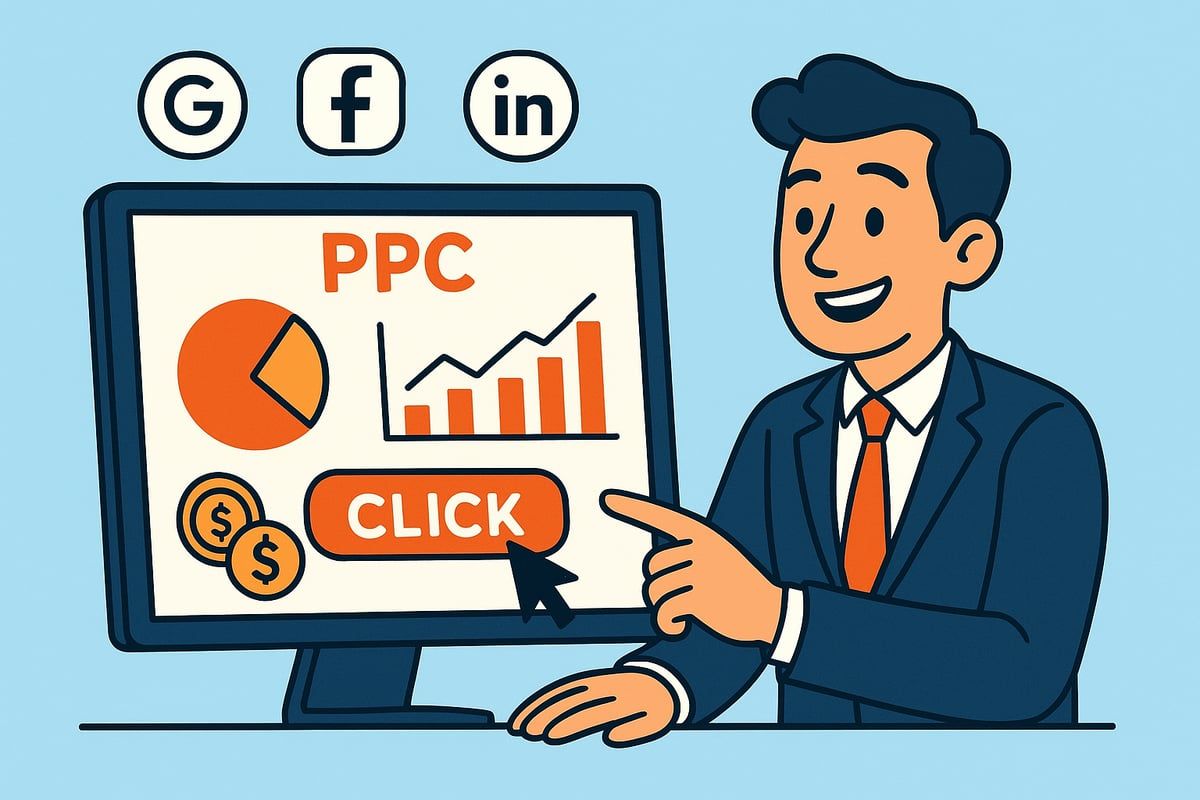
PPC pay per click advertising is all about paying only when someone clicks your ad. Unlike other models where you might pay for every thousand impressions (CPM) or only for completed actions (CPA), PPC gives you control and instant feedback.
It fits perfectly within digital marketing, letting you reach people actively searching for your products or services. For example, a Google Ads search campaign for “emergency plumber London” means your ad appears right when someone needs you. Common platforms include Google, Bing, Facebook, and LinkedIn.
How PPC Works: The Auction System Explained
At the heart of PPC pay per click advertising is a real-time auction. Every time a user searches, platforms hold a quick bidding war to decide which ads show. Your Ad Rank is determined by your bid and your Quality Score, which measures how relevant your ad and landing page are.
Cost per click (CPC) varies based on competition and quality. If multiple plumbers bid on “emergency plumber London,” the most relevant, highest bidder gets the top spot. Relevance and a smooth landing page experience are crucial in this auction.
Key PPC Models: Flat-Rate vs. Bid-Based
There are two main models in
PPC pay per click advertising: flat-rate and bid-based. Flat-rate PPC means you pay a fixed price per click, often found on niche directories. Bid-based PPC, used by giants like Google Ads, involves auction-driven pricing.
Here’s a quick comparison:
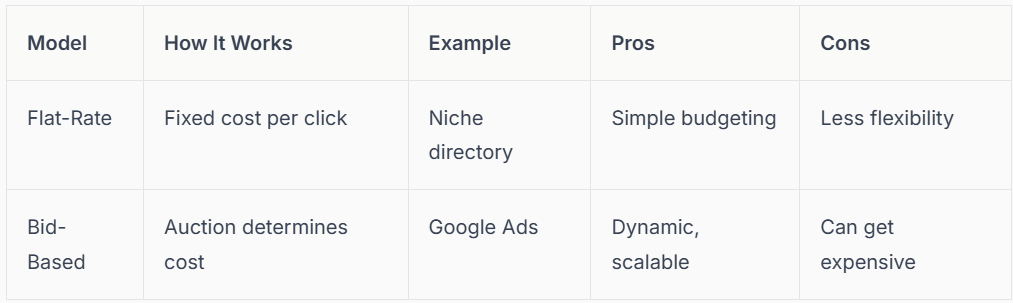
Choosing the right model depends on your goals and where your audience spends time.
PPC vs. SEO: Which Is Right for You?
Should you lean into PPC pay per click advertising or invest in SEO? PPC delivers instant results, while SEO builds organic visibility over time. PPC can be more costly per click, but it’s ideal for testing offers or launching new products.
When combined, PPC and SEO are a powerful duo. In fact, PPC visitors are 50% more likely to make a purchase than organic visitors, Use PPC to supplement your SEO for maximum reach and conversions.
Benefits and Drawbacks of PPC Advertising
PPC pay per click advertising
comes with plenty of perks:
- Instant visibility and traffic
- Precise targeting and control
- Measurable ROI and analytics
- Flexible budgeting
But keep in mind, there are risks too. Click fraud, rising costs, and ad fatigue can eat into your results if not managed properly. Knowing both sides helps you make the best decision for your business.
Planning a Successful PPC Campaign in 2026
Launching a successful PPC pay per click advertising campaign in 2026 is all about thoughtful planning, clear objectives, and adapting to the fast-changing digital landscape. Let’s break down each step so you can set your campaigns up for real results.
Setting Clear PPC Goals and KPIs
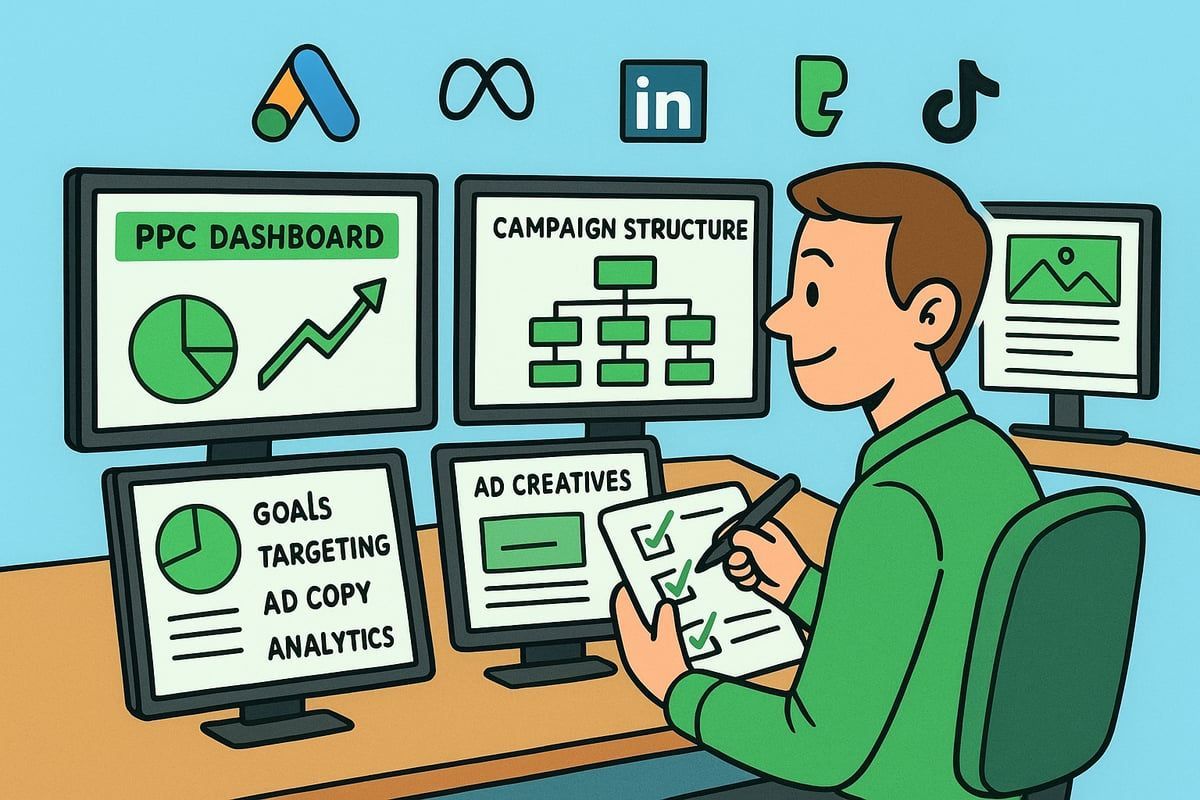
The very first step in any
PPC pay per click advertising journey is knowing your destination. What do you want to achieve? Maybe it’s more sales, capturing high-quality leads, or boosting brand awareness.
To measure progress, pick KPIs that match your goals:
- Click-through rate (CTR)
- Conversion rate
- Cost per acquisition (CPA)
- Return on ad spend (ROAS)
Align your PPC pay per click advertising goals with your overall business strategy. For instance, a B2B company might focus on lead generation and form submissions, while an e-commerce shop chases direct sales. Whatever your aim, clear goals keep your campaigns on track and make reporting much more meaningful.
Choosing the Right PPC Platforms
Choosing the best platforms for your
PPC pay per click advertising is about matching your audience with the right channel. The big players include:
- Google Ads (massive reach, intent-driven)
- Microsoft Advertising (Bing, often lower CPCs)
- Meta Ads (Facebook and Instagram, visual and social)
- LinkedIn Ads (professional B2B targeting)
- TikTok Ads (younger, mobile-first audience)
Should you go multi-platform or stick with one? For B2B, LinkedIn and Google are often winners. For B2C, Meta and TikTok shine. Think about where your customers spend time and what you want to achieve. A single-platform approach can be easier to manage, but multi-platform often delivers better reach and insights.
Keyword Research and Audience Targeting
Keyword research is at the heart of PPC pay per click advertising success. In 2026, advanced AI tools make it easier to discover high-intent keywords and hidden opportunities.
Understand match types:
- Broad: wide reach, less control
- Phrase: more relevant, moderate reach
- Exact: precise targeting, smaller audience
- Negative: filter out irrelevant searches
Layer in audience segmentation based on demographics, interests, and behaviours. Remarketing lets you re-engage past visitors. For example, Google’s AI-powered keyword planner helps uncover valuable phrases and new trends. Did you know 70% of high-performing campaigns use audience layering to boost results?
Crafting Compelling Ad Copy and Creative
Great ad copy and visuals are what make your PPC pay per click advertising stand out. Start with punchy headlines and descriptions that speak directly to your audience’s needs. Use ad extensions like sitelinks, callouts, and structured snippets to add more info and boost visibility.
For display and social ads, visuals matter. Test different images, videos, and formats to see what resonates. Responsive Search Ads in Google adapt automatically, mixing and matching copy for the best performance.
A/B testing is your friend. Keep trying out new ideas and learn from the data. For extra tips and ideas, check out these proven ways to improve Google Ads and get your optimization on track.
Landing Page Optimisation for PPC
A dedicated landing page is a must for every PPC pay per click advertising campaign. Why? Because relevance drives conversions. Make sure your landing page matches your ad’s promise, loads quickly, and looks great on mobile.
Key elements include:
- Clear headline and value proposition
- Fast load speed
- Mobile-friendly design
- Obvious, inviting call-to-action (CTA)
Track performance with analytics tools. Tailored landing pages can boost conversions by 20 percent, so don’t send traffic to generic pages. Small tweaks, like adjusting the CTA or headline, can make a big difference.
Budgeting and Bid Strategies in 2026
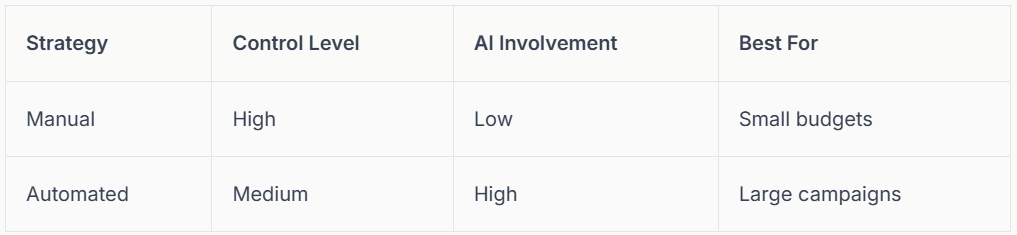
Set your daily or monthly budget based on goals and available resources. In PPC pay per click advertising, you can pick manual or automated bidding. Manual gives more control, while automated (like Smart Bidding) uses AI to optimise for conversions or ROAS.
Popular strategies:
- Target CPA: aim for a set cost per acquisition
- Target ROAS: maximise return on ad spend
Here’s a quick comparison table:
Experiment to see what works best for your business and goals.
Compliance, Privacy, and Ad Policies
In 2026, compliance in
PPC pay per click advertising is more important than ever. Privacy rules like GDPR and changes to cookies have changed how we target and track users. Stay up to date with each platform’s ad policies, as restrictions can vary.
Be transparent about data use. Use first-party data where possible, and always get user consent. The phase-out of third-party cookies means you’ll need to adapt your targeting and measurement strategies. Building trust with your audience ensures long-term success and keeps your campaigns running smoothly.
Step-by-Step: Launching and Managing Your PPC Campaign
Launching a successful PPC pay per click advertising campaign in 2026 might seem daunting at first, but with the right roadmap, you’ll find it’s more like assembling a puzzle than scaling a mountain. Let’s walk through each stage together, so you can confidently set up, launch, and manage campaigns that deliver real business results.
Campaign Structure and Setup
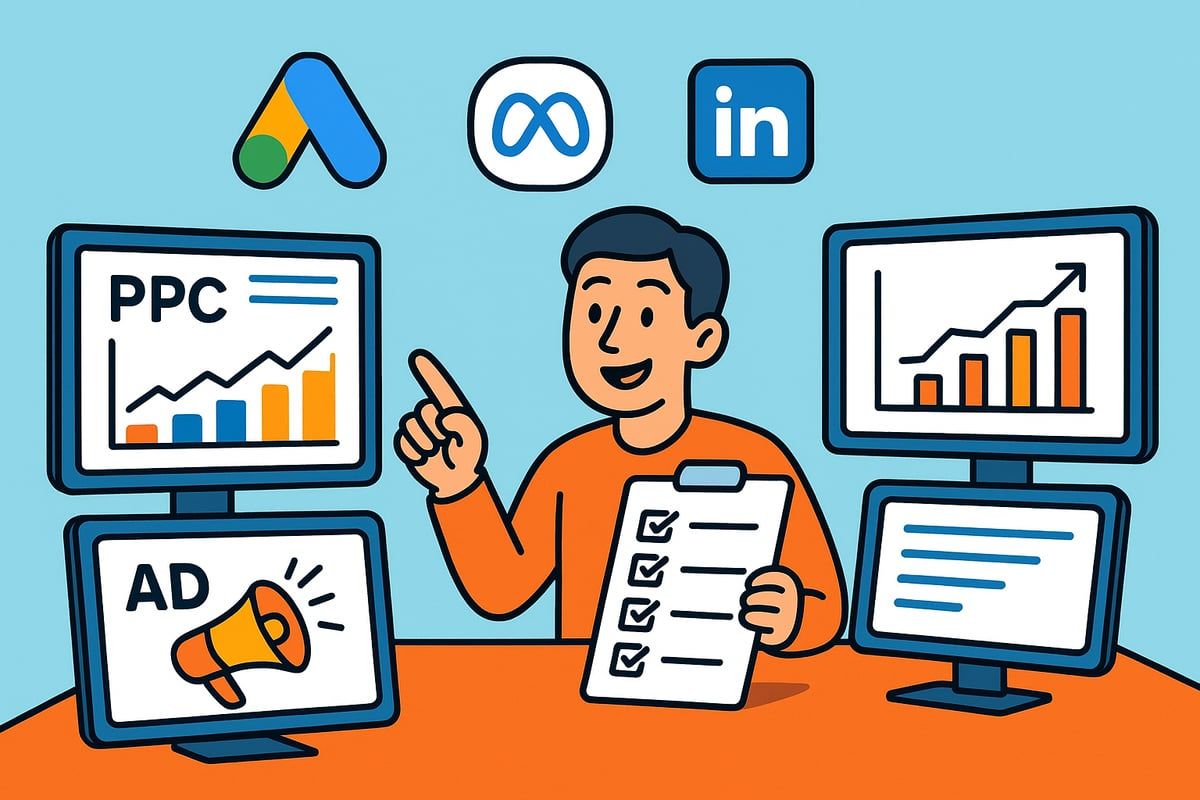
The foundation of every effective PPC pay per click advertising campaign is a clear, logical structure. Start by organising your account into campaigns and ad groups. Each campaign should reflect a main business goal, such as lead generation or product sales.
Within each campaign, create ad groups based on tightly themed keywords or audience segments. Use descriptive naming conventions, like UK_Shoes_Spring2026, to keep everything tidy and easy to navigate. Regularly review your account for duplicate keywords or inactive ads, ensuring optimal account hygiene.
For a national service business, you might have separate campaigns for each region, with ad groups targeting specific service types. This structure makes it easier to allocate budgets and analyse performance by segment.
Creating and Uploading Ads
Once your structure is in place, it’s time to create and upload your ads. In PPC pay per click advertising, you have a range of formats to choose from:
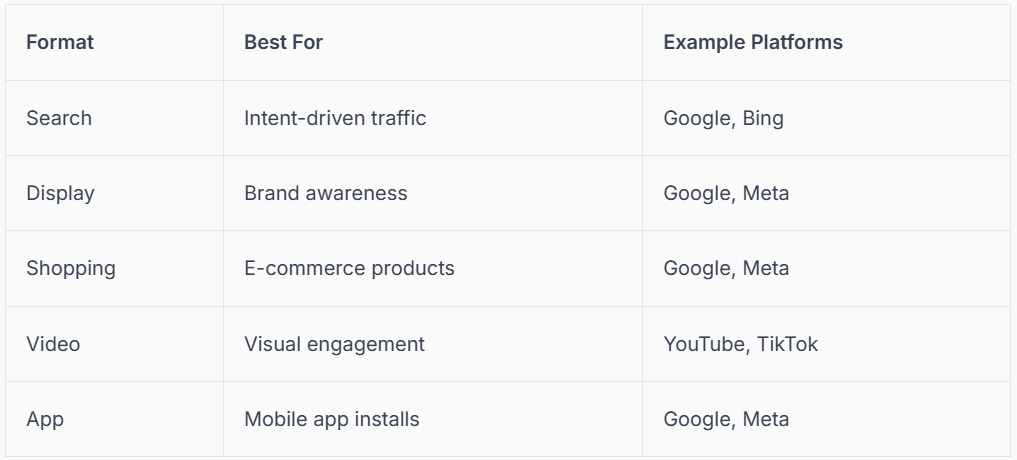
Upload your creative assets, set targeting parameters, and schedule your ads for when your audience is most active. For example, launching a Google Shopping campaign involves uploading your product feed and images, then targeting shoppers based on intent and behaviour.
Tracking and Analytics Implementation
Effective tracking is essential in PPC pay per click advertising. Start by setting up conversion tracking using tools like Google Tag Manager or platform-specific pixels. This lets you measure actions such as purchases, form submissions, or phone calls.
Integrate your campaigns with Google Analytics 4 to gain deeper insights into user journeys. Choose an attribution model that fits your goals, such as last-click for direct sales or data-driven for longer customer paths. For local services, tracking phone call conversions can highlight which keywords drive real enquiries. Use inline code like gtag('event', 'conversion', {'send_to': 'AW-XXXX/abc123'}); for precise event tracking.
Ongoing Optimisation: What to Monitor
Continuous improvement is at the heart of PPC pay per click advertising. Monitor key metrics such as click-through rate (CTR), cost per click (CPC), conversions, and Quality Score. Use a weekly checklist to review underperforming ads or keywords and adjust bids or budgets in real time.
- Review search term reports for irrelevant traffic
- Pause low-performing ads
- Test new ad copy and extensions
- Adjust targeting based on data
If your campaigns struggle to convert, explore resources like the Google Ads not converting solutions guide to troubleshoot and turn clicks into leads.
A/B Testing and Experimentation
A/B testing is a powerful way to refine your PPC pay per click advertising. Set up split tests for ad headlines, descriptions, or landing pages. Analyse the results to see which version delivers better performance, then implement your learnings.
Modern platforms offer automated experimentation tools that simplify this process. For example, testing two different headlines can reveal which message resonates more, boosting your conversion rate over time. Remember, experimentation is ongoing, not a one-off task.
Scaling and Expanding Successful Campaigns
When you find a winning formula in PPC pay per click advertising, it’s time to scale. Identify top-performing campaigns or ad sets, then expand to new keywords, audiences, or geographies. Use scripts or AI tools to automate routine tasks, freeing up time for strategic work.
For example, a campaign that succeeds in one city can be cloned and adapted for national reach. Keep a close eye on performance as you scale, ensuring quality doesn’t dip as you grow.
Common Pitfalls and How to Avoid Them
Even experienced marketers can stumble in
PPC pay per click advertising. Common pitfalls include wasted spend on irrelevant keywords, forgetting to add negative keywords, and relying too heavily on automation without oversight.
- Regularly update your negative keyword list
- Review ad placements to avoid low-quality traffic
- Monitor for click fraud or suspicious activity
If a campaign starts losing money, pause and analyse the data before making changes. Sometimes, a simple fix like improving ad relevance or landing page quality can restore profitability and get you back on track.
Advanced PPC Strategies and Trends for 2026
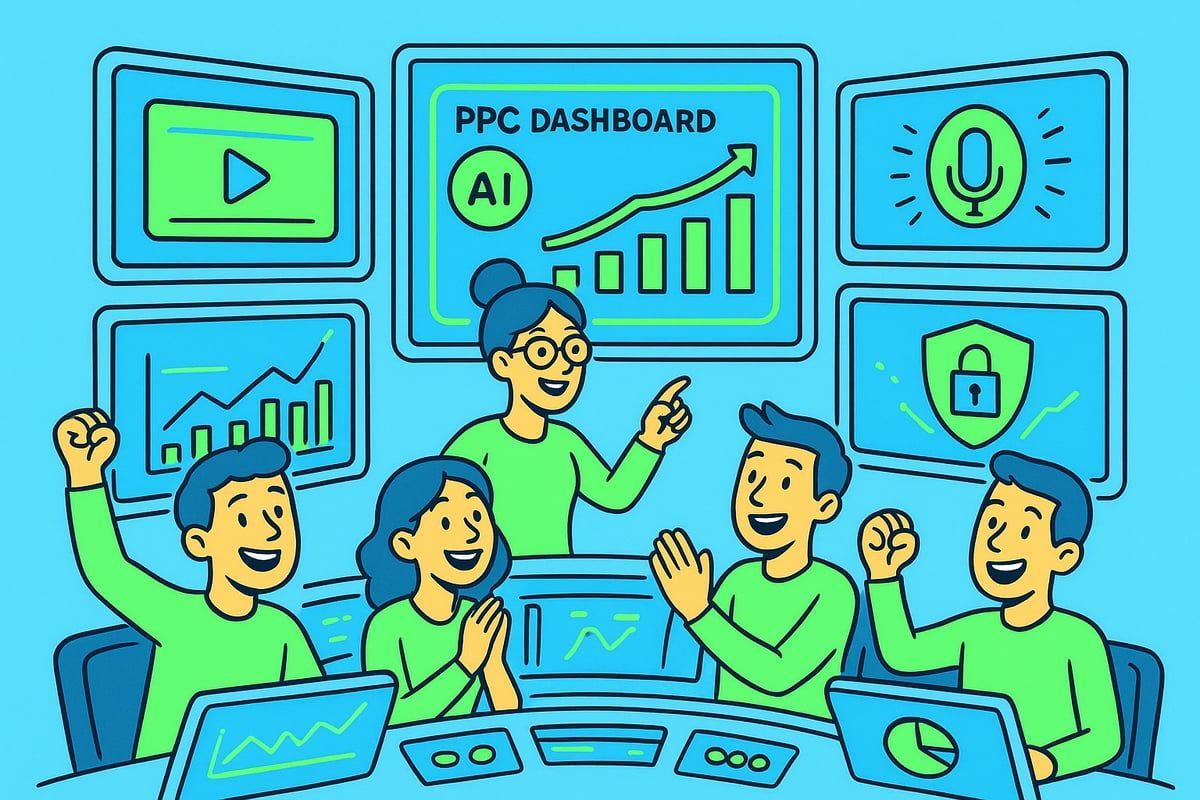
Staying ahead in PPC pay per click advertising means embracing the advanced strategies shaping 2026. With new technologies, evolving behaviours, and privacy shifts, we need to think smarter and move faster. Let’s explore the trends and expert tactics that will help us thrive.
AI and Automation in PPC
Artificial intelligence is transforming PPC pay per click advertising from the inside out. In 2026, machine learning powers everything from bid strategies to creative generation. Platforms like Google Ads use AI to predict which ad will perform best, adjusting bids in real time for maximum ROI.
Advertisers are embracing tools that automate routine tasks, freeing us to focus on strategy. For example, Google Performance Max campaigns use AI to combine assets and data across channels for optimal results. Automated bidding algorithms learn from patterns, ensuring your budget works harder. According to recent industry surveys, 80% of advertisers now use AI-powered automation to streamline their PPC pay per click advertising campaigns.
Audience Targeting and Personalisation
Audience targeting in
PPC pay per click advertising is now more sophisticated than ever. We can layer demographic, interest, and behavioural data to reach the right people, at the right time, with the right message. First-party data is gold, letting us personalise ads based on past website visits, purchases, or even engagement with previous campaigns.
Dynamic personalisation means ads adapt in real time, showing tailored offers or creative to each segment. For example, remarketing lists let us target cart abandoners with special discounts, increasing the likelihood of conversion. By combining audience signals, we maximize relevance and build stronger connections with our ideal customers.
Video and Visual PPC Ads
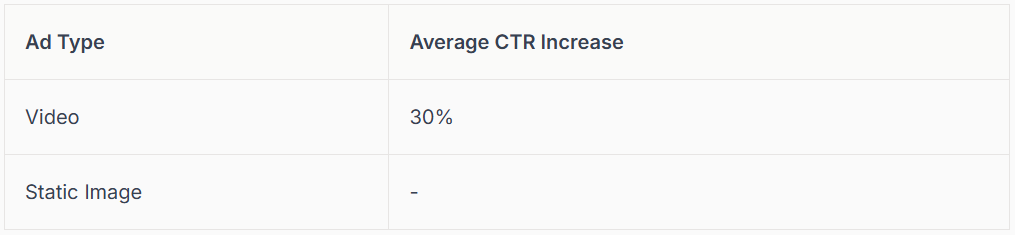
The growth of video and visual content is reshaping PPC pay per click advertising. Platforms like YouTube, TikTok, and Meta now prioritise video ads, which grab attention and drive higher engagement. In fact, recent competitor data shows video ads achieve a 30% higher click-through rate compared to static images.
To stand out, we need bold visuals, clear messaging, and a call to action within the first few seconds. Consider using short, punchy clips and experimenting with different formats, like Stories or in-feed video. A/B test creative elements to see what resonates best with your audience and keep your visuals fresh to avoid ad fatigue.
Voice Search and Conversational PPC
Voice search is a game changer for PPC pay per click advertising, as more people use smart speakers and assistants to find answers. We must optimize our campaigns for conversational queries, using natural language keywords and phrases.
Conversational ad formats, such as interactive chatbots or voice-activated ads, create a seamless experience. Imagine your ad being triggered when someone asks Alexa or Google Assistant for a local service. By focusing on intent and context, we can capture high-quality leads who are ready to take action.
PPC for E-commerce and Local Businesses
E-commerce and local businesses are reaping big rewards from
PPC pay per click advertising in 2026. Tools like Google Shopping, Local Inventory Ads, and Maps integration make it easier than ever to connect with customers who are ready to buy.
Click-to-call buttons and location-based targeting drive more foot traffic and bookings. For example, local service providers have seen an 18% increase in conversions by using targeted local PPC strategies. Whether you are selling products nationwide or attracting nearby clients, tailored campaigns make a measurable impact.
Privacy, Tracking, and Future-Proofing
With privacy regulations evolving, PPC pay per click advertising must adapt. The shift away from third-party cookies means first-party data and consent management are crucial. Advertisers are investing in server-side tracking and enhanced conversions to maintain accurate measurement.
Staying compliant with GDPR and other rules builds trust with users and platforms alike. Future-proofing your campaigns means prioritising transparency, securing consent, and being ready for new regulatory changes. This approach keeps your brand ahead of the curve and protects your marketing investment.
Measuring and Reporting ROI
Measuring true ROI in PPC pay per click advertising goes beyond simple clicks or conversions. We need to consider lifetime value, assisted conversions, and the full customer journey. Custom dashboards and automated reporting tools, like Google Data Studio, make it easy to track performance across multiple channels.
Businesses that focus on detailed analytics see impressive results. Industry benchmarks reveal that well-optimised PPC pay per click advertising campaigns can deliver an average ROI of over 200%. By continuously analysing data and refining our approach, we ensure every pound spent delivers real value for our business.
Case Studies and Real-World PPC Success Stories
Success in PPC pay per click advertising is rarely accidental. Behind every winning campaign are clear strategies, data-driven decisions, and a willingness to learn from both victories and setbacks. Let us explore some real-world stories that shine a light on what works, what does not, and how to turn challenges into opportunities.
High-Impact PPC Campaigns: What Worked
One stand-out example in PPC pay per click advertising is Yorkshire Air Ambulance's campaign. They achieved over 19,700 clicks, more than 511,000 impressions, and an impressive 18.24% conversion rate. The secret?
- Highly targeted keywords relevant to urgent services
- Compelling ad copy with a strong call to action
- Continuous optimisation based on real-time analytics
Before the campaign, their reach was limited. After, visibility and engagement soared, directly translating to more donations and support.
B2B vs. B2C PPC: Strategy Differences
Approaching PPC pay per click advertising for B2B is different from B2C. B2B campaigns, like Sunbelt Rentals, focus on longer sales cycles and lead generation, using platforms like LinkedIn and Google. B2C, as seen with EG Group, targets immediate conversions and product sales, favouring Meta and Google Shopping.
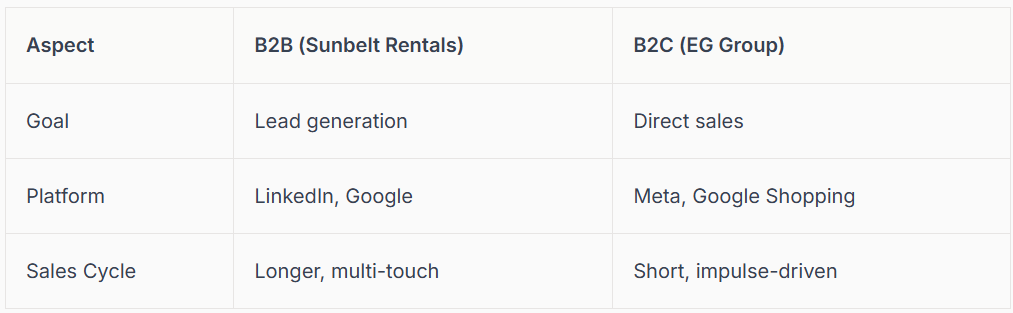
Matching your strategy to your audience is vital for PPC pay per click advertising success.
Local PPC for Service Businesses
Local service businesses can unlock huge growth with PPC pay per click advertising by leveraging location targeting, click-to-call extensions, and map ads. For example, a local trades business saw bookings soar after fine-tuning their Google Ads campaigns to reach people searching nearby.
According to competitor data, local PPC ads convert 18% higher than standard campaigns. If you want to deep dive into tactics for trades, check out PPC and Google Ads for trades for practical tips and industry specifics.
Overcoming PPC Challenges: Recovery Stories
Not every PPC pay per click advertising campaign starts off perfectly. One business struggled with high costs and low conversions. By analysing their data, they pinpointed wasted spend on irrelevant keywords and missing negative keywords.
Through A/B testing and applying proven strategies, they turned the campaign around, restoring profitability. Learning from challenges is part of the journey, and expert resources such as Google PPC expert strategies can provide guidance for overcoming common pitfalls.
Lessons from Failed Campaigns
Failure in PPC pay per click advertising often comes from poor targeting, weak landing pages, or ignoring analytics. One audit revealed that a lack of negative keywords drained the budget without results.
Key takeaways include:
- Always refine targeting and use negative keywords
- Optimise landing pages for each ad group
- Monitor performance and adapt quickly
By learning from mistakes, your next campaign can become your best yet.
The Future of PPC: What to Expect Beyond 2026
The world of PPC pay per click advertising is on the verge of incredible transformation. As we look beyond 2026, automation and artificial intelligence are set to drive even more campaign decisions. Machine learning will not just optimize bids but also help predict user intent and deliver hyper-relevant ads across every channel. With these smart systems continuously learning, campaigns will become more efficient and personal, saving us time and boosting ROI.
Privacy is also taking centre stage. Regulations are evolving, and third-party cookies are fading into the background. This shift is making first-party data absolutely vital for PPC pay per click advertising success. Brands will need to build strong relationships with their audiences and gather consented data to fuel precise targeting.
Innovation in ad formats is accelerating, too. Expect to see interactive experiences, AR, VR, and commerce features blending seamlessly with search and social ads. The boundaries between platforms are disappearing, creating a unified digital experience. To stay ahead in PPC pay per click advertising, keep testing new formats, invest in analytics, and always put user privacy first. The future is bright for those ready to adapt and embrace change.
We’ve covered a lot together—from the nuts and bolts of PPC in 2026 to practical steps for launching campaigns that really deliver. I know it can feel overwhelming, but you don’t have to tackle it all alone. If you want your business to show up where it matters most and get the expert support you deserve, let’s talk. We understand the unique challenges you face and we’re here to help you every step of the way—whether that’s optimising your Google Business Profile or navigating paid advertising with confidence.
Contact connect SEO Today
Let’s growyour business together.