
Google Advertising Rates Guide: Insights and Strategies 2026
As we approach 2026, digital marketing budgets are seeing a bigger share allocated to Google Ads than ever before. With google advertising rates continually evolving, businesses across the UK are feeling the impact, whether large or small.
Staying ahead means understanding these shifts and having the right strategies to maximise your return on investment. Up-to-date knowledge is not just helpful, it is essential for navigating the new landscape of google advertising rates.
This guide is here to help you make sense of the numbers, trends, and proven tactics for 2026. We will cover the latest rate trends, the factors driving costs, how to set your budget, ways to optimize for the best results, and what to expect in the future.
Understanding Google Advertising Rates in 2026
Navigating
google advertising rates in 2026 is essential for any business aiming to stay visible and competitive. With budgets under more scrutiny than ever, understanding the nuts and bolts of how Google charges for ads can make the difference between wasted spend and strong returns.
Google Ads Pricing Models Explained
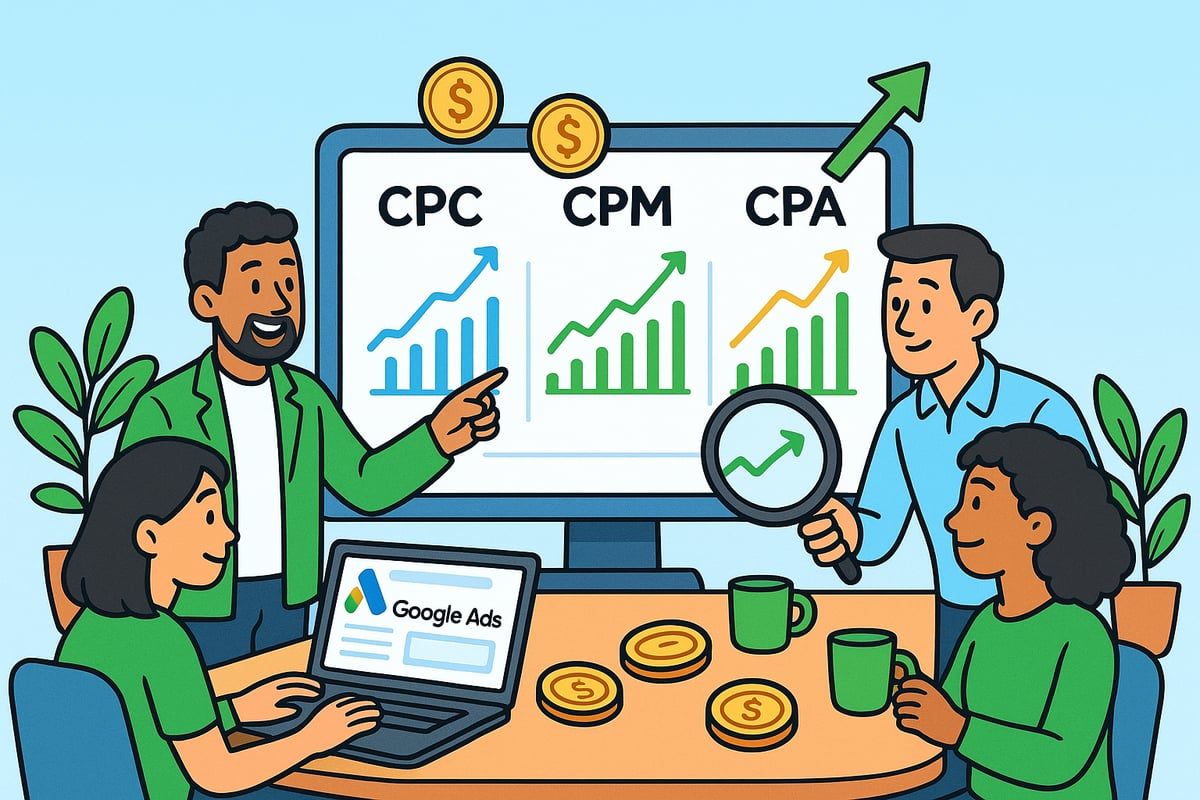
To start, let’s break down how google advertising rates are structured. Google offers several core pricing models, each with its own benefits:
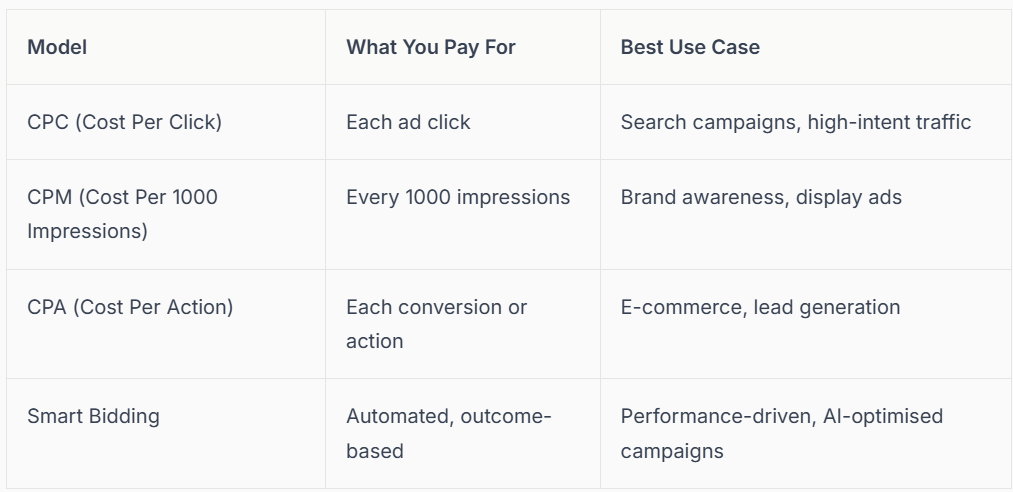
In 2026, Smart Bidding is more sophisticated, using machine learning to optimise bids in real time based on your goals. This shift means advertisers must keep up with evolving google advertising rates and adapt their strategies accordingly.
Latest Benchmarks: What Are Businesses Paying?
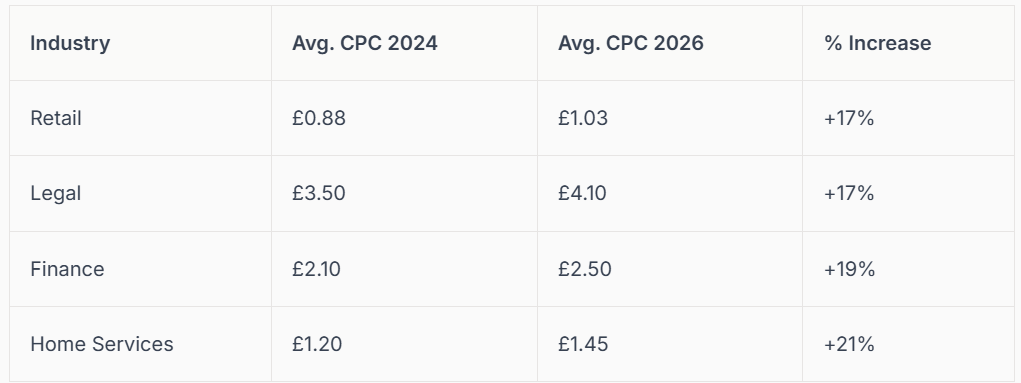
Across the UK, average CPC and CPM rates have climbed since 2024. For example, e-commerce, legal, and finance sectors are seeing higher google advertising rates due to intense competition. According to recent competitor research, the average Google Ads CPC in the UK rose by 18% from 2024 to 2026.
What’s Changed in Google’s Auction and Pricing Algorithms?
Since 2024, Google has refined its ad auction process. The platform now factors in more signals, such as user intent, device type, and even predicted conversion value. Smart Bidding models are more predictive, using AI to analyse context and shift bids in milliseconds. This means google advertising rates are less static and more responsive to real-time data.
How Do Google Advertising Rates Stack Up Against Other Platforms?
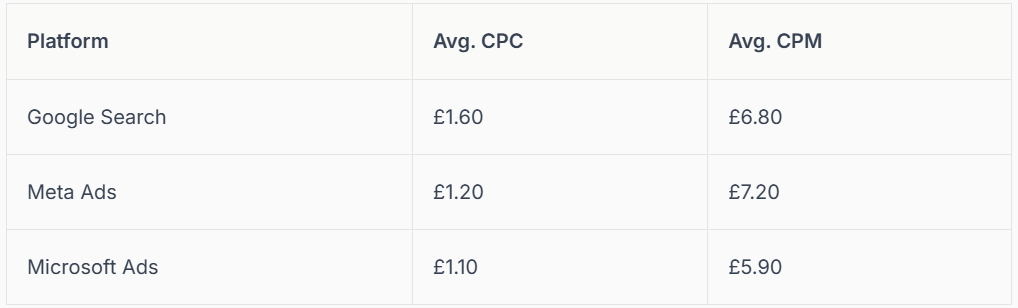
Let’s compare. Meta (Facebook & Instagram) and Microsoft Ads remain major players. Recent 2026 data shows Meta’s average CPM in the UK is £7.20, while Google’s Display Network CPM averages £6.80. For search ads, Google’s CPC is still higher, but conversion rates often justify the spend.
Case Study: UK E-commerce Brand Adapting to 2026 Rates
In early 2026, a mid-sized UK e-commerce company noticed a sharp uptick in google advertising rates, especially during peak shopping periods. By switching to Smart Bidding, refining keyword targeting, and running A/B tests on ad copy, they managed to keep their cost per conversion steady even as CPCs rose.
Understanding Volatility and Seasonality
Google advertising rates are never static. Seasonality, such as holiday shopping spikes, can push costs up by 20% or more. Events like Black Friday, school holidays, or even local news can trigger rapid shifts. Volatility is also influenced by competitor bidding, algorithm updates, and changes in consumer behaviour.
Why Does This Matter for Planning and Budgeting?
Having a solid grasp of google advertising rates is crucial for forecasting spend and setting realistic campaign goals. If you’re budgeting for the year ahead, factor in possible rate fluctuations and industry benchmarks. For in-depth strategies and the latest insights, explore the Google PPC expert guide for 2026.
Understanding these moving parts empowers us to make smarter decisions, stretch our budgets further, and stay ahead in the ever-evolving world of digital advertising.
Factors Influencing Google Advertising Costs
Understanding what shapes google advertising rates is essential if you want to run successful campaigns in 2026. Multiple factors come into play, affecting how much you pay per click or impression. Let’s break down the most important influences so you can plan, budget, and optimize with confidence.
Keyword Competition and Search Intent
When it comes to google advertising rates, keyword competition is a big driver. Highly competitive keywords often mean more businesses are bidding, which pushes up the
cost-per-click. For example, terms like “insurance quotes” or “emergency plumber London” can be extremely pricey, while more niche or localised keywords tend to be cheaper.
Let’s look at a quick comparison for 2026:
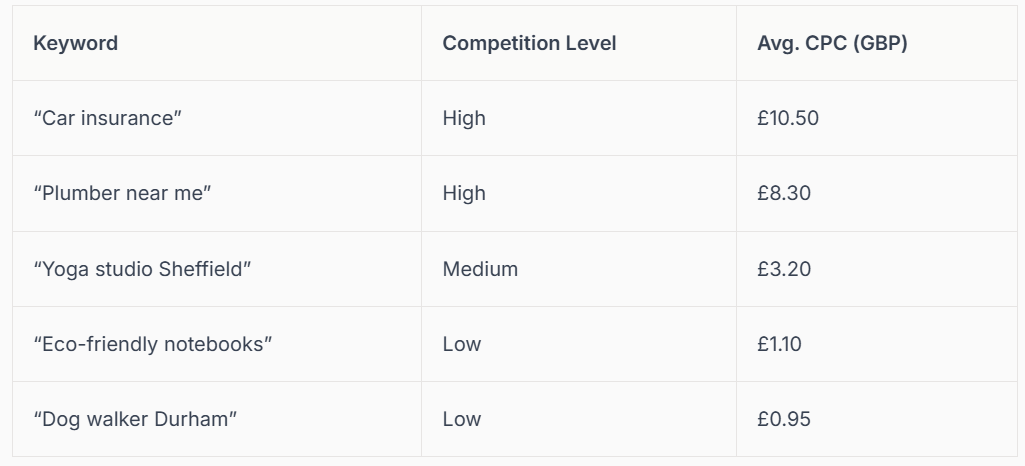
Search intent also matters. Keywords with strong buying intent, like “book solicitor online”, will have higher google advertising rates than informational queries such as “how to fix a tap”. By understanding both the competition and the user’s intent, you can better predict costs and target the right terms for your goals.
Industry and Location
Industry plays a huge role in google advertising rates. Some sectors, like legal and financial services, consistently see higher costs due to fierce competition and the high value of a single lead. Meanwhile,
trades and local services may pay less, but this varies by location.
Let’s compare two popular search terms:
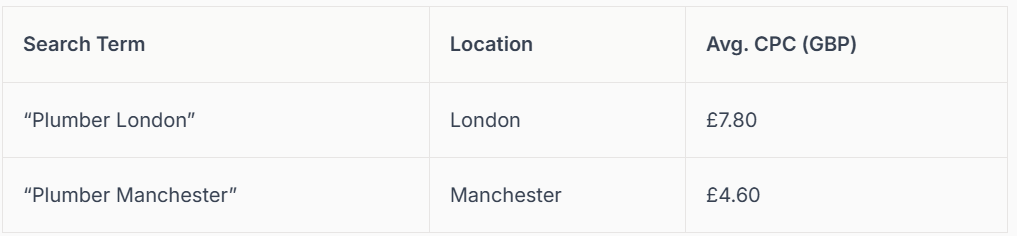
As you can see, location impacts costs significantly. National campaigns usually have higher google advertising rates than local ones, and big cities tend to outpace smaller towns. For a wider picture, comparing google advertising rates with other platforms is helpful—Meta Ads, for example, often have different benchmarks.
Quality Score and Ad Relevance
Google’s Quality Score system is another key factor in google advertising rates. This score is based on how relevant your ad is, the quality of your landing page, and your expected click-through rate. A higher Quality Score means you pay less for clicks, even if your competitors are bidding more.
Here’s how you can boost your Quality Score:
- Make sure your ads match the keywords you’re targeting.
- Optimise your landing page for both speed and relevance.
- Use clear, compelling calls-to-action.
- Monitor and improve your click-through rates.
By focusing on ad relevance and user experience, you not only improve results but can also lower your google advertising rates across campaigns. Small tweaks can make a big difference to your bottom line.
Device, Audience, and Time Factors
Device targeting, audience segments, and timing can all affect google advertising rates. In 2026, mobile ad costs have often surpassed desktop in some sectors, reflecting changes in user behaviour. Targeting specific demographics or interests may also raise your costs, as you’re narrowing your reach to the most valuable users.
Don’t forget about time factors. Bidding during peak hours or seasons, like Black Friday or Christmas, usually increases google advertising rates. Planning your campaigns around these trends can help you stretch your budget further.
By understanding how device, audience, and time impact your results, you can make smarter decisions and get more from every pound you spend.
Setting and Managing Your Google Ads Budget
Getting your
Google Ads budget right is essential for success in today’s competitive landscape. With changing google advertising rates and new bidding technologies, it can feel overwhelming to decide where to start. Here, we’ll break down how to plan, control, monitor, and refine your spend, so you make every penny count.
Calculating an Effective Ad Spend
Start by defining your campaign goals. Are you aiming for leads, sales, or brand awareness? Your objectives determine how you approach your budget. Next, research current google advertising rates for your industry. For example, if the average
cost-per-click is £1.20 for your sector, estimate the number of clicks needed to hit your targets.
Let’s break this down:
- Set clear objectives: Know your conversion goals and expected outcomes.
- Estimate required clicks: Divide your target conversions by your average conversion rate.
- Calculate potential spend: Multiply estimated clicks by average CPC from latest google advertising rates data.
- Factor in additional costs: Don't forget landing page improvements, ad creative, and testing.
For a local service business, suppose you want 30 leads a month, with a conversion rate of 10 percent and an average CPC of £1.20. You’ll need 300 clicks, which means a starting ad spend of £360 monthly. Tools like Google Keyword Planner or third-party calculators can help you forecast spend and expected results, making budgeting less of a guessing game.
Bidding Strategies and Budget Controls
Choosing the right bidding strategy is crucial. In 2026, most advertisers balance between automated and manual bidding. Automated options, such as Smart Bidding and Performance Max, use machine learning to optimise bids and maximise conversions within your budget. Manual bidding gives you more control, but requires constant monitoring, especially as google advertising rates fluctuate.
Set daily and monthly budget limits in your campaigns to avoid overspending. Regularly review your campaign settings to ensure you’re not allocating funds to underperforming ads. Use shared budgets if you run multiple campaigns and want to distribute spend dynamically.
Smart Bidding strategies, like Target CPA or ROAS, can help you achieve specific goals while adapting to market changes. Performance Max campaigns are especially useful for businesses wanting to reach audiences across all Google channels with one consolidated budget.
Monitoring and Adjusting Your Budget
Consistent monitoring is the secret to effective budget management. Track metrics like cost per conversion, click-through rate, and impression share to understand how your campaigns perform. When you notice shifts in performance or changes in google advertising rates, adjust your spend accordingly.
If you find your budget isn’t being used efficiently, or your ads are not spending at all, it’s worth exploring Google Ads not spending—budget fixes, which offers practical solutions to common issues. Being proactive with adjustments ensures you don’t waste valuable resources.
Common Budgeting Mistakes to Avoid
Many advertisers fall into the trap of underfunding campaigns. This often leads to missed opportunities, especially when google advertising rates rise during peak seasons. Overbidding for keywords that rarely convert can also drain your budget quickly.
Another common mistake is ignoring hidden costs, such as ad extensions or failing to add negative keywords, which can inflate spend without improving results. Regularly review your budget allocation and adjust based on real performance data to stay on track and maximise your ROI.
Strategies to Optimise Google Advertising ROI
Maximising your return on investment with google advertising rates in 2026 is all about working smarter, not harder. With costs rising and competition increasing, it’s more important than ever to refine your approach. Let’s explore proven strategies to help you squeeze more value from every pound spent on Google Ads.
Advanced Targeting and Segmentation
Getting the most from google advertising rates starts with laser-focused targeting. The more relevant your ads, the higher your chances of converting clicks into customers without inflating costs.
Use audience segmentation to break your market into smaller, high-value groups. Tools like Customer Match and detailed remarketing lists let you reach people who are already interested in your brand or products.
For example, a retailer who segmented their audience by purchase history and location saw a 28% lift in ROI. They created separate campaigns for repeat buyers, new visitors, and cart abandoners, tailoring messages for each.
Consider these segmentation tactics:
- Build remarketing lists for users who visited key pages.
- Use Customer Match to target existing email subscribers.
- Layer demographic and interest targeting for granular control.
Creative and Copy Best Practices
High-performing creative is essential to make your
google advertising rates work harder. It’s not just about flashy visuals; compelling copy and relevant calls-to-action drive clicks and conversions.
Here’s what works in 2026:
- Test multiple headlines and descriptions using Responsive Search Ads.
- Use strong, benefit-focused CTAs like “Get Your Free Quote” or “See Our Latest Offers.”
- Keep visuals clear, brand-aligned, and mobile-friendly.
A/B testing is your best friend. Run experiments on headlines, images, and button colours to see what resonates most with your audience. Data from recent campaigns shows that ad creative improvements can boost click-through rates by up to 35%.
Remember, even small tweaks can make a big impact. The key is to review results regularly and refine your ads for maximum engagement.
Landing Page Optimisation
Your landing page is where the magic happens. If you’re investing in google advertising rates, but your landing page doesn’t convert, you’re leaving money on the table.
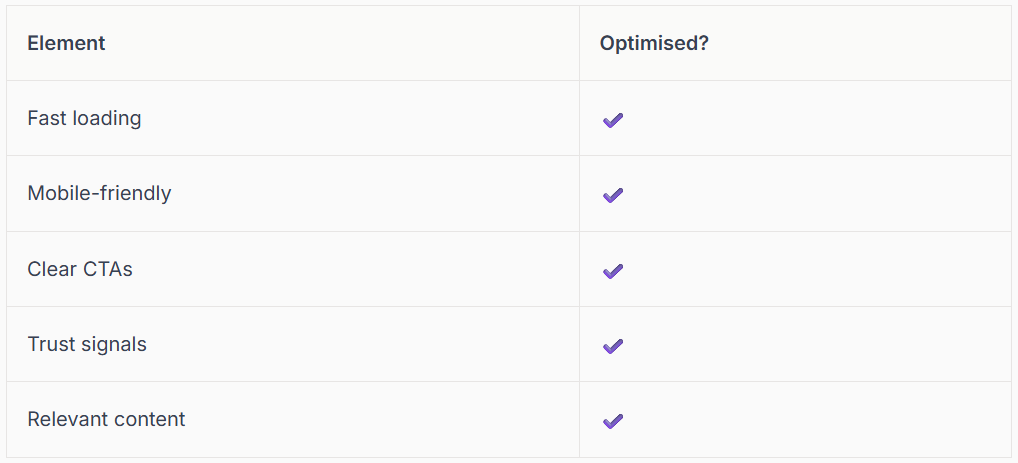
Focus on these essentials:
- Fast load times (under 3 seconds is ideal)
- Clear, benefit-driven headlines
- Prominent, easy-to-find call-to-action buttons
- Mobile optimisation for users on the go
- Trust signals like reviews, accreditations, and guarantees
Here’s a quick landing page checklist:
A local service provider improved their conversion rate by 40% simply by speeding up their landing page and adding customer testimonials. Regularly review your pages to ensure they align with user intent and ad messages.
Leveraging Automation and AI Tools
Automation and AI are revolutionising how we manage google advertising rates. Smart Bidding, Performance Max, and automated creative tools take the guesswork out of campaign optimization.
With Smart Bidding, Google’s algorithms adjust bids in real time based on user intent, device, and even time of day. Performance Max brings together search, display, and video placements, helping you reach more potential customers with less manual effort.
AI-powered tools can also help you generate ad copy, identify winning creatives, and spot wasted spend. Businesses using these features in 2026 are seeing up to 25% better ROI compared to traditional manual management.
For a deeper dive into actionable tactics, discover proven ways to improve Google Ads performance and keep your campaigns ahead of the curve.
Forecasting the Future: Trends and Predictions for Google Ad Rates
The future of digital marketing is always shifting, and understanding where google advertising rates are heading can give us a real edge. As we look ahead to 2026 and beyond, it is clear that both costs and strategies are evolving rapidly. Let us explore the key trends, regulatory changes, and expert insights that will shape the landscape for years to come.
Projected Rate Changes and Platform Evolution
Google advertising rates are expected to see continued growth through 2026, though the pace may vary by industry and format. According to recent industry surveys, UK marketers anticipate an average increase of 8-12% in CPCs across most sectors.
This growth is being fuelled by increased competition, especially as more businesses shift budgets from traditional channels to digital. Industries like finance, legal, and healthcare will likely see the steepest rises, while retail and local services may experience more moderate changes.
A quick comparison with other platforms, like Meta or Microsoft Ads, shows that Google remains highly competitive in terms of ROI, even as costs rise. For an in-depth look at recent CPC trends and budgeting strategies, you can review Google Ads Cost in 2025: What You Need to Know.
Privacy, Cookies, and Regulatory Shifts
The digital advertising world is being reshaped by privacy regulations and the deprecation of third-party cookies. As Google phases out cookies in Chrome, targeting and attribution will become more reliant on first-party data and privacy-friendly solutions.
How will this affect google advertising rates? Many expect increased competition for premium audience segments, driving up costs for highly targeted campaigns. At the same time, advertisers may see improved value for broader, contextual targeting as the playing field levels out.
Regulatory changes, such as stricter data protection rules in the UK and EU, could also impact tracking and bidding efficiency. Staying ahead means investing in consent management tools and transparent data practices.
AI, Automation, and Emerging Ad Formats
Artificial intelligence and machine learning are transforming how google advertising rates are set and how campaigns are optimised. Smart Bidding, Performance Max, and other automated solutions now play a bigger role in the ad auction, dynamically adjusting bids for better outcomes.
Emerging ad formats, like short-form video and local service ads, are also shaping the cost landscape. Video ads, in particular, are projected to see higher CPMs but offer greater engagement and brand recall.
A recent survey of UK marketers highlighted that 67% plan to increase investment in AI-driven campaign tools by 2026. These technologies will help us navigate volatility and seasonality, making spend more predictable even as the market evolves.
Future-Proofing: Strategies and Expert Insights
What can we do to future-proof our campaigns as google advertising rates continue to evolve? Leading PPC consultants recommend several practical steps:
- Diversify your ad formats (text, video, shopping, local).
- Invest in first-party data collection and audience building.
- Regularly test and optimize creative, landing pages, and targeting.
- Use AI tools for budget control and bid management.
It is also wise to follow proven Google campaign management strategies 2026 to maximise ROI and stay agile.
Looking ahead, experts predict that adaptability and ongoing education will be key. By staying informed and proactive, we can ensure our campaigns thrive, no matter how google advertising rates may change.
We’ve covered a lot together, from the latest Google ad rate trends to practical budgeting and optimisation strategies for 2026. Navigating Google’s advertising landscape can feel overwhelming, but you don’t have to work it all out alone. If you want real, hands-on support—from profile verification to local SEO advice from UK-based experts who genuinely understand your trade—why not take the next step with us? We’re here to help you get seen in local search and unlock more value from your ad spend. If you’re ready to grow with confidence,Contact connect SEO Today and let’s make your business shine.