Pay Per Click Advertising Google: A Complete 2026 Guide
Running a trade business or local service in 2026 means understanding how customers find you online. Pay per click advertising Google has become one of the most effective ways to get your business in front of potential customers at the exact moment they're searching for your services. Whether you're a plumber, electrician, or property maintenance company, mastering Google's advertising platform can transform your customer acquisition. This guide walks you through everything you need to know about pay-per-click advertising on Google, from basic concepts to advanced strategies that actually work for local businesses.
Understanding Pay Per Click Advertising Google Basics
Pay per click advertising Google operates on a straightforward principle: you only pay when someone clicks on your advert. Unlike traditional advertising where you pay for exposure regardless of results, this model ensures every pound spent has the potential to bring a customer to your door.
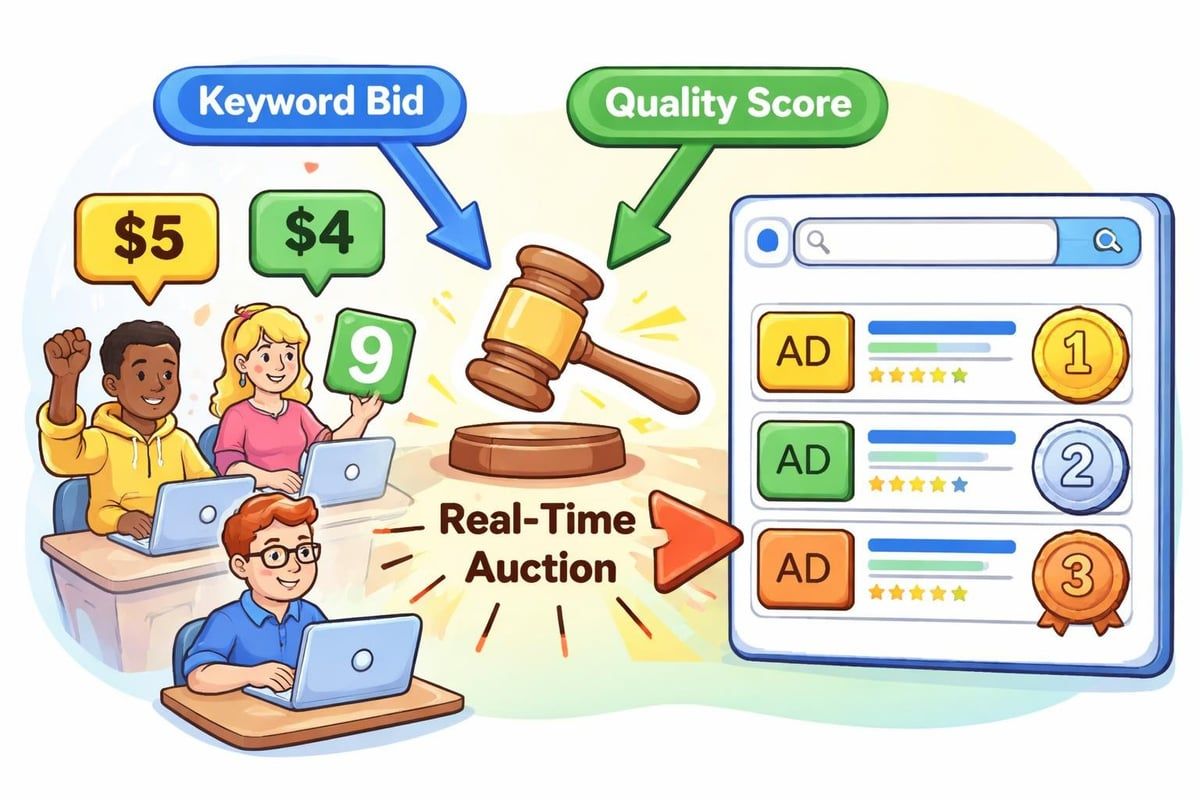
Google Ads, the platform that powers pay per click advertising Google, uses an auction system. When someone searches for "emergency plumber near me" or "electrician in London," Google instantly runs an auction among advertisers who've bid on those keywords. The winners appear at the top of search results, marked as "Sponsored" or "Ad."
The beauty of this system lies in its targeting precision:
- Location-based targeting (down to specific postcodes)
- Time-of-day scheduling (only show ads during business hours)
- Device targeting (mobile users searching on-the-go)
- Demographic filters (age, income, parental status)
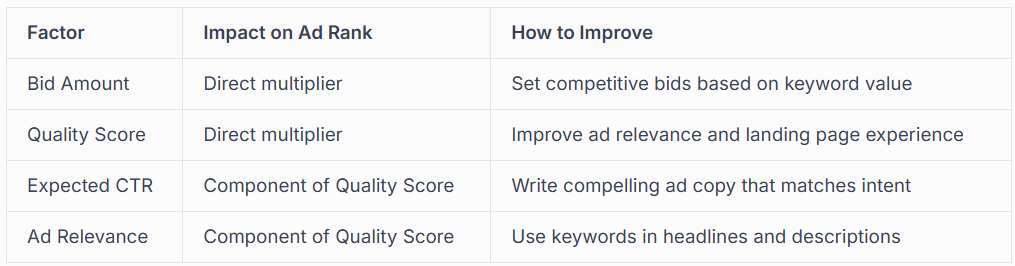
Your cost per click isn't just about how much you bid. Google uses a quality score system that rewards advertisers who create relevant, useful ads. A higher Quality Score means lower costs and better ad positions, even if competitors bid more.
How the Auction System Works
Every time someone searches on Google, an auction takes place in milliseconds. Your ad's position depends on your Ad Rank, calculated by multiplying your maximum bid by your Quality Score. This means a well-optimized campaign can outperform competitors with bigger budgets.
Understanding Google advertising costs helps you budget effectively and set realistic expectations for your campaigns.
Setting Up Your First Pay Per Click Advertising Google Campaign
Getting started with pay per click advertising Google requires more than just throwing money at keywords. Successful campaigns begin with proper foundation work that many businesses skip, costing them thousands in wasted spend.
Before you create your first campaign, ensure your Google Business Profile is verified. Without verification, your business may not show in Google Maps, and customers are less likely to trust unverified businesses. Competitors with verified profiles will appear above you in search results.
Campaign Structure That Works
Creating a logical campaign structure prevents budget waste and improves performance tracking. We recommend organizing campaigns by service type, with ad groups for specific offerings within each service.
Example structure for an electrical contractor:
- Campaign: Emergency Electrical Services
- Ad Group: Fuse Box Repairs
- Ad Group: Power Outages
- Ad Group: Emergency Call-Outs
- Campaign: Planned Electrical Work
- Ad Group: Rewiring Services
- Ad Group: Socket Installation
- Ad Group: Lighting Upgrades
Each ad group should contain 5-20 tightly related keywords and 3-4 ads. This granular approach allows precise messaging that matches searcher intent. When someone searches "fuse box repair London," they see an ad specifically about fuse box repairs, not generic electrical services.
Setting up conversion tracking from day one is non-negotiable. You need to know which keywords and ads generate phone calls, form submissions, and actual customers. Google's call tracking integration shows exactly which searches led to customer conversations.
Keyword Research and Bidding Strategies
Pay per click
advertising Google succeeds or fails based on keyword selection. Tradespeople often make the mistake of bidding on ultra-competitive terms like "plumber" or "electrician" when more specific, lower-cost keywords convert better.
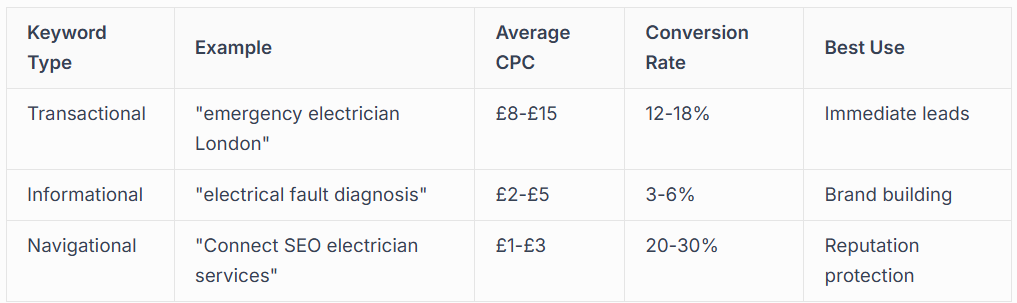
The Three Types of Keywords You Need
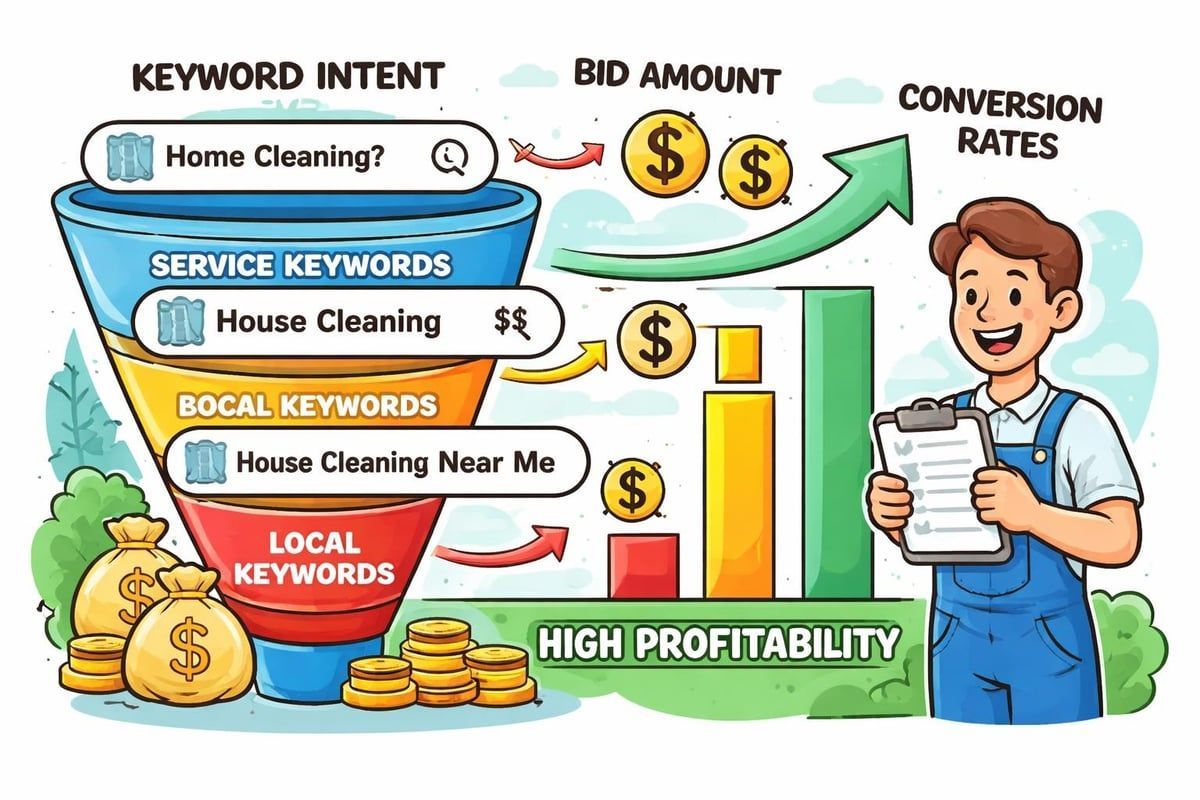
Transactional keywords indicate immediate purchase intent. "Emergency plumber near me" or "electrician available now" signal someone ready to hire. These keywords cost more but convert at higher rates, making them profitable despite the expense.
Informational keywords target people earlier in their journey. "How to fix a leaking tap" or "Why does my fuse box keep tripping" attract searchers who may need professional help. These keywords cost less and build awareness, though conversion rates are lower.
Navigational keywords include your business name or competitors' names. Bidding on your own name protects against competitors stealing your traffic.
Bidding on competitors' names captures customers comparing options.
Smart bidding strategies in 2026 leverage machine learning to optimize bids automatically. Target CPA (Cost Per Acquisition) tells Google your desired cost per conversion, and the algorithm adjusts bids to hit that target. Maximize Conversions aims to get as many conversions as possible within your budget.
For businesses starting out with PPC and Google Ads for trades, manual bidding provides more control and learning opportunities. You can see exactly what you're paying for each keyword and adjust based on performance.
Creating High-Converting Google Ads
Writing effective ads for pay per click advertising Google requires understanding the psychology of searchers in your industry. Someone searching for emergency services has different needs than someone planning a renovation project.
Your ad copy has three jobs: grab attention, demonstrate relevance, and inspire action. With only a few characters to work with, every word matters.
Ad Components That Drive Clicks
Headlines are your first impression. Google displays up to three headlines, each up to 30 characters. Use your primary keyword in Headline 1, a specific benefit in Headline 2, and urgency or social proof in Headline 3.
- Headline 1: "24/7 Emergency Electrician"
- Headline 2: "30-Min Response Time"
- Headline 3: "500+ Five-Star Reviews"
Descriptions provide supporting details in two 90-character fields. Mention credentials, service areas, guarantees, and calls-to-action. "Qualified electricians serving London. Same-day appointments available. All work is guaranteed. Call now for a free quote."
Extensions expand your ads with additional information:
- Callout extensions: "Fully Insured," "No Call-Out Fee," "Family Business"
- Sitelink extensions: Link to specific services like "Emergency Call-Out" or "Rewiring Services"
- Call extensions: Display your phone number directly in the ad
- Location extensions: Show your address and distance from the searcher
Extensions significantly improve ad visibility and click-through rates without increasing costs. They're free to add and can increase CTR by 10-15%.
Managing Costs and Maximizing ROI
Understanding how to control spend while maximizing returns separates profitable pay per click advertising Google campaigns from money pits. The average cost per click varies dramatically by industry and location, with competitive trades in major cities paying £5-£20 per click.
Budget Allocation That Works
Start with a daily budget you can afford to lose while learning. For most local service businesses, £20-£50 per day provides enough data to optimize without breaking the bank. As you identify winning keywords and ads, gradually increase spend on what's working.
Budget distribution across campaign types:
- 60% to high-intent transactional keywords
- 25% to service-specific informational keywords
- 15% to brand protection and competitor keywords
Monitor your campaigns daily during the first month. Look for keywords with high costs but no conversions, and pause or reduce bids. Identify which geographic areas produce the best customers and adjust location targeting accordingly.
Avoiding click fraud protects your budget from waste. Google's automated systems catch most fraudulent clicks, but manual monitoring helps too. Watch for unusual patterns like multiple clicks from the same IP address or clicks at odd hours with no conversions.
Calculating Your True ROI
Measuring success requires tracking beyond basic clicks. Know your customer lifetime value, average job value, and conversion rate from click to customer. If your average job is worth £300 and your conversion rate from clicks to customers is 10%, you can afford to pay £30 per click and break even.
Most service businesses find that pay per click advertising Google becomes profitable when customer lifetime value exceeds acquisition cost by 3:1 or more. A £100 acquisition cost is excellent if the average customer generates £300-£500 in lifetime revenue.
Integrating Google Business Profile with PPC
The synergy between pay per click advertising Google campaigns and a verified Google Business Profile multiplies results. Your Business Profile provides social proof, reviews, photos, and credibility that support your paid ads.
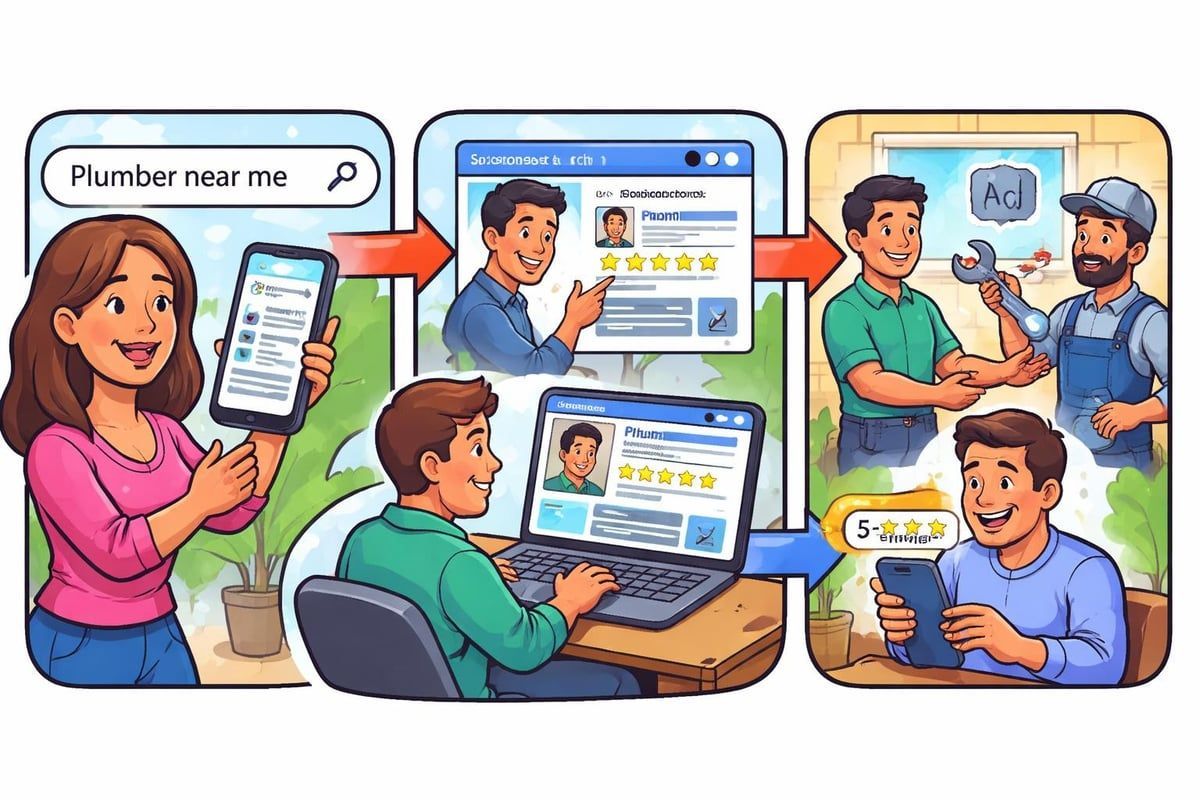
When someone clicks your ad and then searches your business name, a strong Google Business Profile with 50+ positive reviews, professional photos, and complete information dramatically increases conversion likelihood. This is why Google Business Profile verification matters so much for paid advertising success.
Optimisation checklist for maximum PPC impact:
- Complete every Business Profile section (description, services, hours, attributes)
- Upload 20+ high-quality photos showing your team, equipment, and completed work
- Respond to all reviews within 24 hours, especially negative ones
- Post weekly updates about services, tips, or special offers
- Verify your profile through the official process (phone, email, or postcard)
Local Services Ads, a specialized form of pay per click advertising Google for home service businesses, requires a verified and optimized Business Profile. These ads appear above standard text ads and use a pay-per-lead model instead of pay-per-click. You only pay when customers contact you directly through the ad.
Advanced Targeting for Local Service Businesses
Pay per click advertising Google offers sophisticated targeting options that most local businesses underutilize. These features help you reach the right customers while avoiding waste on unqualified clicks.
Radius Targeting and Location Exclusions
Rather than targeting entire cities or postcodes, use radius targeting around your service area. A plumber willing to travel 10 miles from their base can set a precise 10-mile radius, ensuring ads only show to people within their service zone.
Exclude areas where you don't want work. If certain postcodes are too far, have low job values, or present access problems, exclude them from your campaigns. This prevents wasted clicks from people you can't or won't serve.
Demographic and audience targeting goes beyond location. Google's in-market audiences identify people actively researching services like yours. Custom intent audiences let you target people based on specific search terms they've used recently.
Remarketing keeps your business front-of-mind for people who visited your website but didn't convert. These campaigns typically cost less per click and convert at 2-3x the rate of cold traffic because the prospect already knows you.
Seasonal Campaign Adjustments
Trade businesses experience seasonal demand fluctuations that should inform your pay per click advertising Google strategy. Boiler breakdowns spike in winter, garden services peak in spring and summer, and property maintenance surges before holidays.
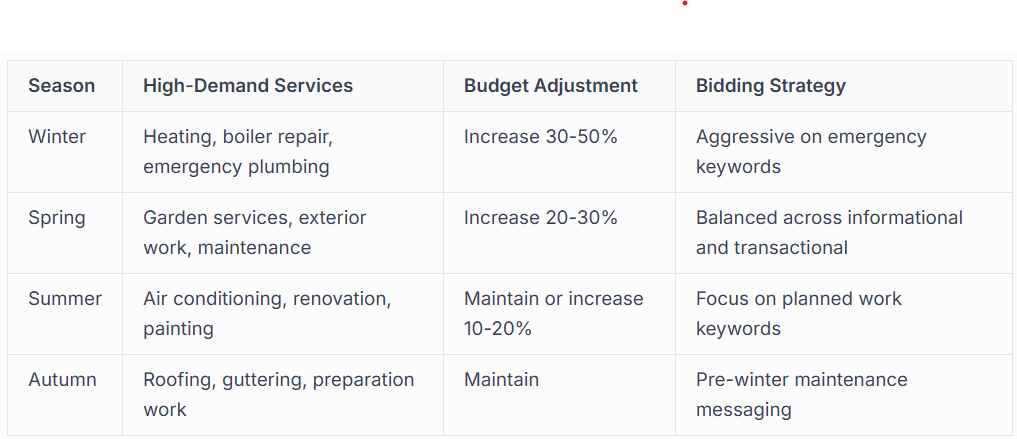
Adjust bids and budgets monthly based on historical performance and upcoming seasonal patterns. Create an ad copy that reflects seasonal concerns: "Winter Boiler Breakdowns Fixed Fast" in December or "Get Your Garden Ready for Summer" in March.
Day-parting (scheduling ads for specific times) ensures your budget goes to hours when you can actually answer the phone. If you don't offer 24/7 service, don't show ads at 3 AM when you can't respond. Many Google Ads management services optimize day-parting based on conversion data.
Mobile Optimization for PPC Success
In 2026, over 70% of local service searches happen on mobile devices. Pay per click advertising Google requires mobile-first thinking to capture these on-the-go searchers who need help now.
Mobile ads should prioritize phone calls over form submissions. Add call extensions, use "Call Now" as your primary CTA, and create mobile-preferred ads with headlines like "Call 24/7 for Emergency Service." Mobile searchers want immediate solutions, not to fill out forms.
Mobile landing pages must load in under 2 seconds. Slow pages kill conversions, no matter how good your ads. Use Google's PageSpeed Insights tool to identify and fix speed issues. Compress images, minimize code, and consider AMP (Accelerated Mobile Pages) for critical landing pages.
Click-to-call functionality should be prominent on every mobile landing page. Display your phone number in a large, tappable button at the top of the page. Many mobile searchers will call immediately if you make it easy.
Location extensions become even more valuable on mobile. Google displays the distance from the searcher to your business, helping them decide if you're close enough for immediate service. For more insights on managing costs effectively, review Google Ads pricing strategies.
Common Mistakes to Avoid
Even experienced advertisers make costly errors with pay per click advertising Google. Learning from others' mistakes saves money and accelerates success.
Broad match keywords without close monitoring waste budgets on irrelevant searches. A broad match "electrician" might trigger for "electrician salary" or "electrician training courses" from people not looking to hire. Use phrase match ("electrician near me") or exact match [electrician London] for tighter control.
Ignoring negative keywords lets your ads show for inappropriate searches. Build a comprehensive negative keyword list including terms like "jobs," "training," "courses," "salary," "DIY," and "free." Add to this list weekly based on search term reports.
Sending all traffic to your homepage instead of relevant landing pages reduces conversion rates. Someone clicking an ad for "boiler repair" should land on your boiler repair page, not a general services page. Match ad messaging to landing page content for maximum relevance.
Not tracking phone calls means missing your most valuable conversions. Service businesses receive 60-80% of leads via phone. Use Google's call tracking or third-party solutions to attribute phone calls to specific keywords and ads. Understanding how PPC advertising works helps avoid these pitfalls.
Giving up too soon prevents gathering enough data for optimization. Campaigns need at least 30 days and 100+ clicks per ad group to provide statistically meaningful performance data. Premature changes based on insufficient data often make things worse.
Measuring Success Beyond Clicks
Pay per click advertising Google provides detailed metrics, but focusing on the wrong numbers leads to poor decisions. Clicks, impressions, and CTR matter less than conversions, cost per acquisition, and return on ad spend.
Metrics That Actually Matter
Conversion rate shows how effectively your ads and landing pages turn clicks into customers. A 10% conversion rate means one in ten clicks becomes a lead or customer. Benchmark conversion rates for local services range from 5-15%, depending on industry and competition.
Cost per acquisition (CPA) tells you what you're paying for each customer. Calculate this by dividing total ad spend by number of customers acquired. Compare CPA to your average job value and customer lifetime value to ensure profitability.
Return on ad spend (ROAS) expresses profit as a ratio. £5 revenue for every £1 spent equals 5:1 ROAS. Most service businesses aim for 3:1 or higher to account for overhead and margin. According to resources on Google search and online advertising, understanding these financial metrics is crucial.
Quality Score ranges from 1-10 and impacts both ad position and costs. Scores of 7+ indicate well-optimized campaigns. Improve Quality Score by increasing ad relevance, improving landing page experience, and raising expected click-through rate.
Track these metrics in custom dashboards that show trends over time. Weekly reviews identify issues before they waste significant budget. Monthly deep-dives reveal opportunities for expansion or refinement.
Combining PPC with Other Marketing Channels
Pay per click advertising Google works best as part of a complete digital marketing strategy, not in isolation. The synergy between PPC, SEO, and social media multiplies results beyond what any single channel achieves alone.
SEO and PPC together dominate search results. Appearing in both organic and paid positions increases visibility and clicks. Businesses ranking organically still benefit from PPC because different searchers click paid versus organic results. Some click both, increasing overall conversion opportunities. Learn more about comprehensive website SEO services in London.
Social media advertising complements pay per click advertising Google by reaching customers before they actively search. Facebook and Instagram ads build awareness, while Google Ads captures demand. Someone who saw your Facebook ad last week is more likely to click your Google ad today.
Email marketing to past customers reduces reliance on paid acquisition. Happy customers refer friends and return for additional services. Building an email list creates an owned marketing channel that doesn't depend on ad platforms. For tradespeople, exploring electrician advertising strategies across multiple channels proves valuable.
Scaling Successful Campaigns
Once you've identified winning keywords, ads, and targeting settings, scaling pay per click advertising Google becomes your next challenge. Growth requires strategic budget increases and expansion into related opportunities.
Gradual budget increases perform better than sudden jumps. Increase daily budgets by 20-30% weekly while monitoring performance. Large sudden increases can disrupt campaign learning and reduce efficiency.
Expand into new geographic areas carefully. If campaigns work well in your primary service area, test adjacent postcodes with separate campaigns. This allows performance comparison and prevents poor-performing areas from dragging down successful ones.
Additional service offerings deserve their own campaigns. If you've succeeded with emergency repair advertising, create campaigns for planned installation work. Different services attract different customers at different price points.
Test new ad formats like Local Services Ads, Performance Max campaigns, and YouTube video ads. Each format reaches slightly different audiences and converts at different rates. Diversification protects against over-reliance on a single traffic source.
Partner with experts who understand both your industry and advertising platforms. Working with specialists who've managed campaigns for similar businesses accelerates learning and reduces costly mistakes. Detailed understanding of pay for placement models helps optimize overall strategy.
Staying Compliant and Ethical
Pay per click advertising Google operates under strict policies that protect users and maintain ad quality. Violations can result in disapproved ads, suspended accounts, or permanent bans.
Policy compliance essentials:
- Accurate business information (correct address, phone number, website)
- Truthful claims (don't promise what you can't deliver)
- Proper licensing (advertise services you're legally qualified to perform)
- Clear pricing (if you mention prices, ensure they're accurate and current)
- Privacy protection (handle customer data responsibly)
Avoid misleading tactics like countdown timers that reset, fake urgency ("Only 2 slots left!"), or bait-and-switch pricing. Short-term gains from deceptive practices lead to long-term damage to reputation and account standing.
Respect competitors by not impersonating them or using their trademarks inappropriately in ad copy. While bidding on competitor keywords is legal and common, pretending to be them violates policies and ethics.
Mastering pay per click advertising Google takes time, testing, and ongoing optimization, but the results transform how local service businesses acquire customers. When combined with a verified, optimized Google Business Profile, PPC campaigns deliver qualified leads ready to book your services. At Connect SEO Ltd, we specialize in helping tradespeople and local businesses get verified on Google Maps, optimize their profiles, and run profitable advertising campaigns that actually generate customer calls. Whether you need verification support, profile optimization, or complete PPC management, our team brings real-world trade experience and proven local search expertise to help your business grow.