Google Maps Ads: Your Complete Guide for 2026
If you've ever searched for a plumber, electrician, or restaurant on your mobile device, you've likely encountered Google Maps ads without even realising it. These sponsored listings appear prominently when potential customers search for local services, placing your business directly in front of people actively looking for what you offer. For businesses competing in the local marketplace, understanding how to leverage google maps ads can mean the difference between being found by customers and being invisible to them. Whether you're a tradesperson, retailer, or service provider, mastering this advertising format helps you capture high-intent customers exactly when they're ready to make a decision.
What Are Google Maps Ads and How Do They Work
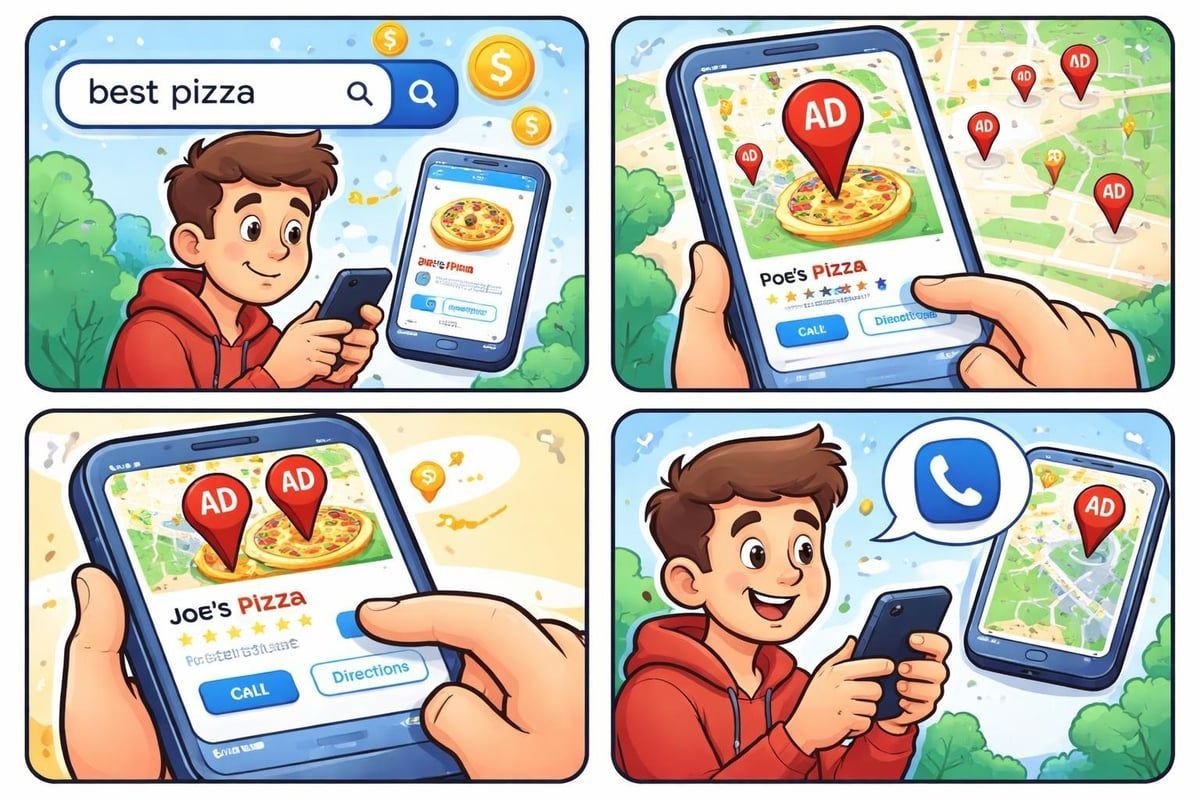
Google maps ads are sponsored business listings that appear when users search for local businesses, products, or services on Google Maps or in the map results section of Google Search. These ads display above organic listings, making them incredibly valuable for capturing attention.
When someone types "emergency plumber near me" or "best coffee shop Manchester" into Google, the first few results they see often include sponsored pins on the map itself. These prominent positions give advertisers a competitive advantage over organic listings.
The advertising system works through Google Ads, specifically using location extensions and local campaign formats. Businesses bid on keywords related to their services, and Google displays their ads to users whose searches match those terms and who are within their targeted geographic area.
Key Features That Make These Ads Effective
- Prominent placement above organic map results
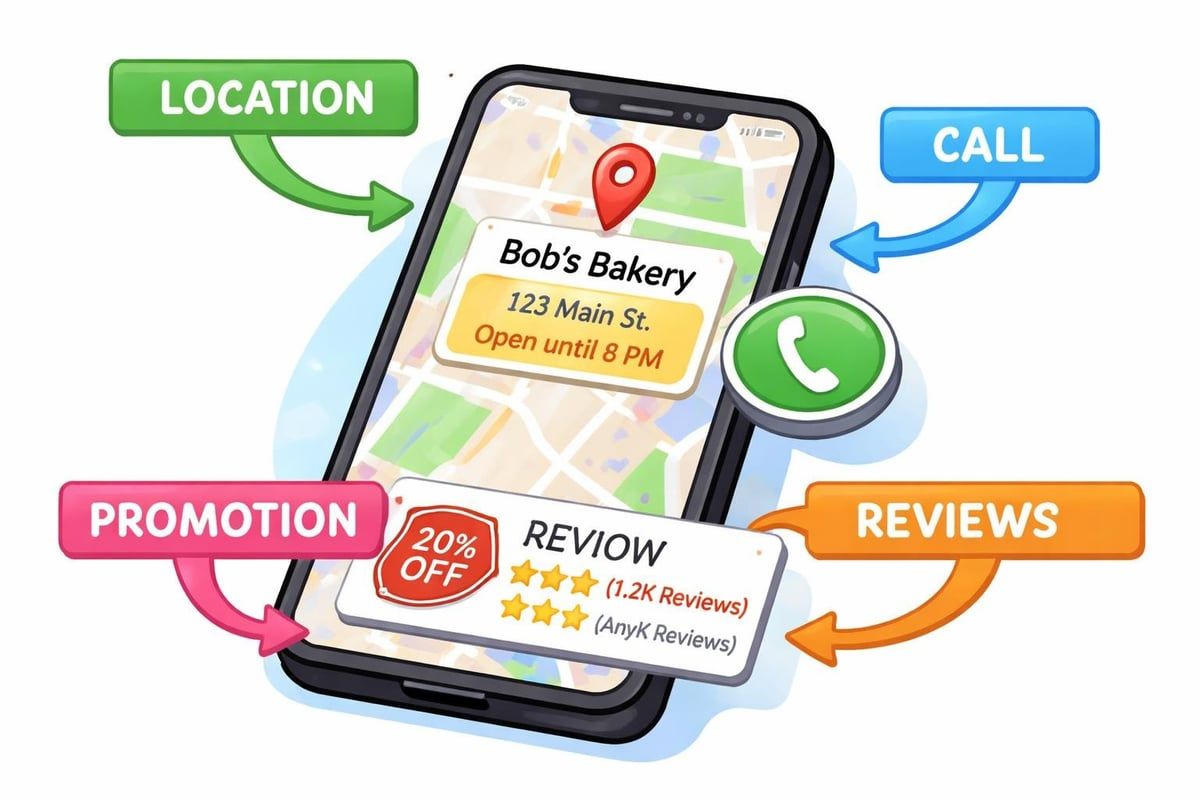
- Direct click-to-call functionality for mobile users
- Directions integration that guides customers to your location
- Business information display including hours, reviews, and photos
- High intent targeting reaching people actively searching for services
The beauty of google maps ads lies in their ability to capture customers at the perfect moment. Someone searching for a service on Maps isn't just browsing; they're ready to take action, whether that's making a phone call, getting directions, or visiting your website.
Setting Up Your Google Maps Advertising Campaign
Before you can run google maps ads, you need two essential components: a verified Google Business Profile and an active Google Ads account. Without verification, your business won't qualify to appear in local advertising positions. This is where many businesses struggle, as
Google Business Profile verification can be complex and time-consuming if not handled properly.
Campaign Configuration Process
Once your profile is verified, setting up your campaign involves several strategic steps:
- Create a new campaign in Google Ads
- Select 'Local' campaign objective or use Performance Max with location assets
- Enable location extensions to connect your Google Business Profile
- Define your geographic targeting radius around your business
- Set your budget and bidding strategy
- Choose relevant keywords that match customer search intent
- Create compelling ad copy that highlights your unique selling points
- Add call extensions for one-click phone contact
The setup process has evolved significantly in 2026, with Google now offering more automated options through Performance Max campaigns that include Maps placements. However, understanding how Google Ads works at a fundamental level remains crucial for success.
Your budget allocation deserves careful consideration. Most businesses find that Google Ads costs for local campaigns range from £300 to £2,000 monthly, depending on competition in their area and industry.
Optimising Your Google Business Profile for Ad Performance
Even the most expertly crafted google maps ads won't perform well if your underlying
Google Business Profile is poorly optimised. Your profile serves as the landing destination for clicks, and first impressions matter enormously.
Essential Profile Elements
Your business information must be complete, accurate, and compelling. This includes your business name, address, phone number, website, hours of operation, and business category. Inconsistent information creates confusion and reduces trust.
Photos make a dramatic difference. Businesses with photos receive 42% more requests for directions and 35% more click-throughs to their websites compared to those without. Upload high-quality images of your shopfront, products, services, team, and completed work.
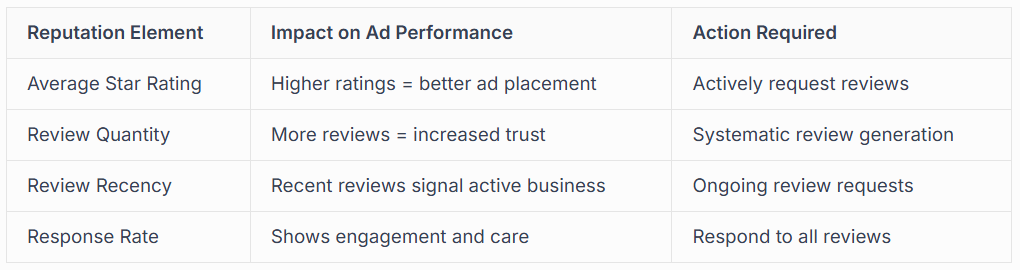
Reviews and ratings directly impact ad performance and conversion rates. Google considers review quantity, quality, and recency when determining ad placement and relevance. Actively encouraging satisfied customers to leave reviews strengthens your overall presence.
- Regular photo updates (weekly if possible)
- Consistent posting of offers and updates
- Prompt responses to all customer reviews
- Accurate service area and category selections
- Complete business description with relevant keywords
Targeting Strategies That Maximise ROI
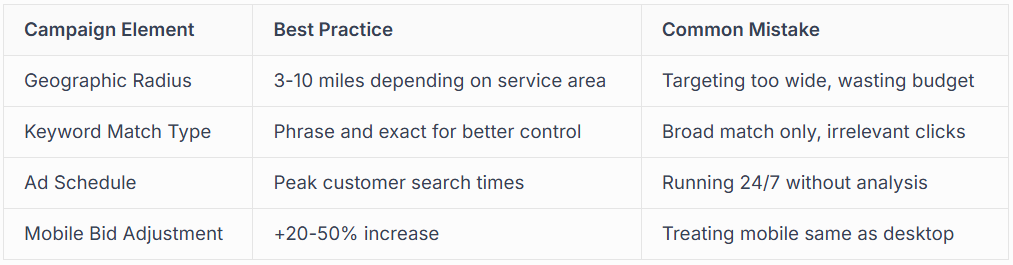
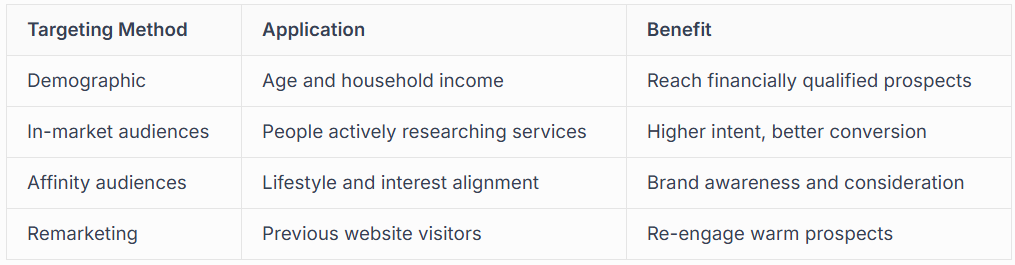
Successful google maps ads campaigns rely on precise targeting to avoid wasting budget on irrelevant clicks. Geographic targeting forms the foundation, but layering additional parameters creates much better results.
Geographic Precision
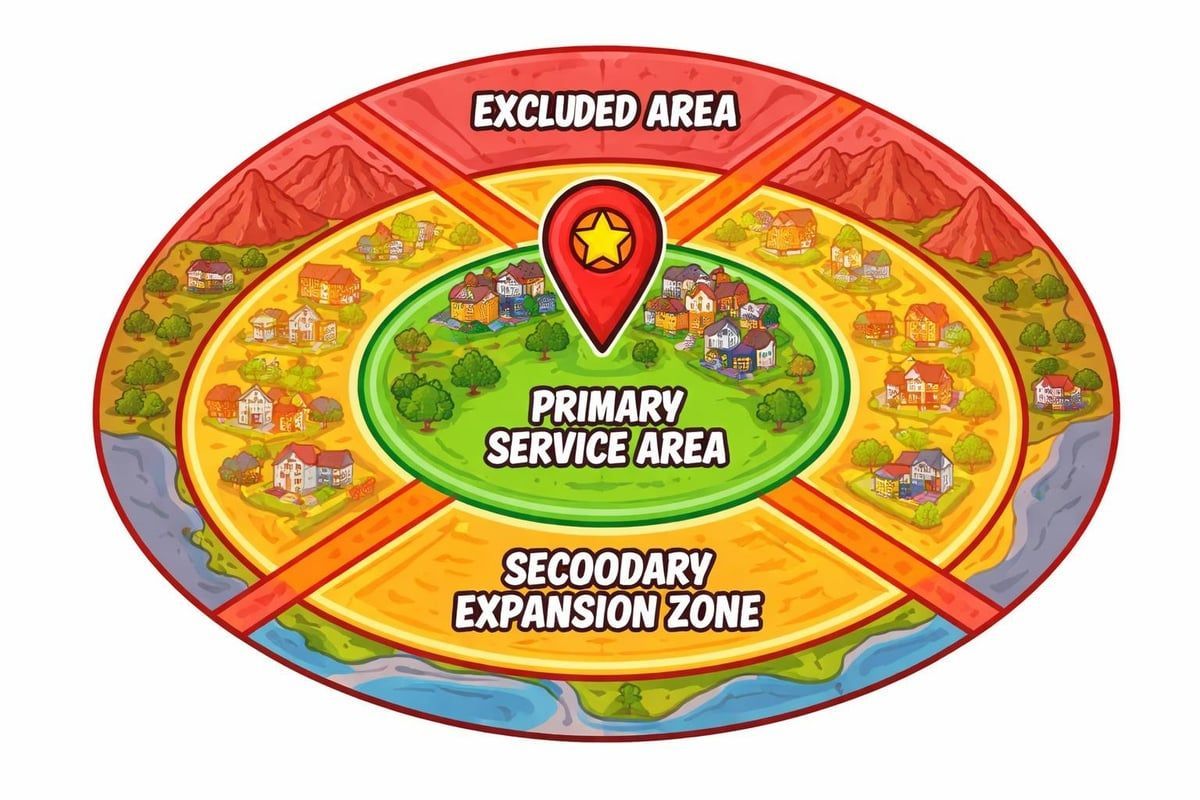
Rather than casting a wide net, focus on areas you actually service. A plumber in North London shouldn't target customers 30 miles away in South London if they can't realistically serve them. Define your radius based on how far you're willing to travel for a job.
Consider creating multiple campaigns for different locations if you serve several distinct areas. This allows customised messaging and budgets for each region based on competition and conversion rates.
Audience Refinement Techniques
Keyword selection deserves special attention. Focus on terms that indicate immediate need: "emergency," "near me," "open now," and service-specific phrases.
Avoid the temptation to bid on every possible keyword variation. Quality trumps quantity. Twenty highly relevant keywords typically outperform 200 loosely related ones whilst consuming far less budget on non-converting clicks.
Understanding Costs and Bidding for Map Ads
The financial aspect of google maps ads often concerns businesses most, particularly those new to paid advertising. Costs vary dramatically based on industry, location, and competition levels.
Cost Per Click Expectations
In 2026, UK businesses typically pay between £1.50 and £8.00 per click for local service ads, though highly competitive industries like legal services or emergency tradespeople can see clicks costing £15 or more during peak times.
Your Google advertising rates depend on several factors:
- Industry competition in your local area
- Time of day when searches occur
- Device type (mobile typically costs more)
- Keyword specificity and search volume
- Quality Score of your ads and landing pages
Smart Bidding strategies in 2026 have become increasingly sophisticated. Google's machine learning algorithms can optimise bids in real-time based on likelihood of conversion, making automated bidding attractive for many businesses.
Budget Allocation Guidelines
Start conservatively. A daily budget of £20-30 allows testing and learning without excessive risk. Monitor performance closely during the first month, then adjust based on actual results rather than assumptions.
Calculate your target cost per acquisition by understanding your customer lifetime value. If an average customer is worth £500 and you're willing to spend 20% on acquisition, you can afford up to £100 per conversion. This helps determine sustainable budget levels.
The pay-per-click model means you only pay when someone actually clicks your ad, making it more cost-effective than traditional advertising where you pay regardless of results.
Measuring Success and Key Performance Metrics
Tracking the right metrics determines whether your google maps ads investment generates positive returns or simply drains your marketing budget. Too many businesses focus on vanity metrics rather than actionable data.
Essential Metrics to Monitor
Click-through rate (CTR) shows how compelling your ads are to searchers. Local campaigns typically achieve 3-8% CTR, with higher rates indicating strong relevance between your ad, keywords, and searcher intent.
Conversion rate matters far more than clicks alone. Track how many clicks result in phone calls, direction requests, or website form submissions. A 5-15% conversion rate is typical for well-optimised local campaigns.
Cost per conversion tells you exactly what you're paying to acquire each customer. Compare this against customer lifetime value to ensure profitability.
- Phone call tracking through Google forwarding numbers
- Direction request monitoring
- Website visit tracking with Google Analytics integration
- Form submission measurement
- Store visit tracking (for physical locations)
Google Ads provides detailed reporting dashboards, but connecting your campaigns to actual revenue requires additional tracking implementation. Many businesses benefit from call tracking services that record which ads generate phone enquiries.
Attribution Challenges
Local advertising attribution isn't always straightforward. A customer might click your ad, call a week later, and mention they "found you on Google." Proper call tracking helps connect these dots accurately.
Consider implementing dedicated phone numbers for your Maps ads to definitively track which conversions originate from your paid campaigns versus organic search or other channels.
Advanced Tactics for Competitive Advantage
Once you've mastered the fundamentals, advanced strategies can differentiate your google maps ads from competitors fighting for the same customers.
Ad Customisation by Search Intent
Create separate campaigns for different stages of customer awareness. Someone searching "how to fix a leaky tap" differs dramatically from "emergency plumber near me." Tailor your messaging accordingly.
Top-of-funnel keywords (informational searches) warrant educational ad copy and lower bids. Bottom-of-funnel keywords (transactional searches) justify higher bids and urgent, action-oriented messaging.
Promotion Extensions and Offers
Adding limited-time offers or seasonal promotions to your ads increases click-through rates significantly. "20% off first service" or "free consultation" gives searchers a compelling reason to choose you over competitors.
Update these regularly to maintain freshness. Ads that look stale or generic perform worse than those highlighting current, specific value propositions.
Competitor Targeting Considerations
Should you bid on competitor business names? This controversial tactic can work but requires careful consideration. Whilst Google allows bidding on competitor keywords, it may damage your reputation if perceived as predatory.
A more sustainable approach focuses on highlighting your genuine differentiators: faster response times, better guarantees, more experience, or superior customer service. Let your strengths speak rather than relying on competitor comparisons.
Integration with Broader Marketing Strategy
Google maps ads shouldn't exist in isolation. The most successful businesses integrate them within a comprehensive local marketing ecosystem that reinforces their presence across multiple touchpoints.
Coordinating with Organic Local SEO
Your paid ads work harder when supported by strong organic rankings. Invest in local SEO fundamentals: optimising your website for local keywords, building quality citations, and earning relevant backlinks from local organisations.
When customers see your business appearing both in paid and organic results, credibility increases substantially. This "double visibility" effect improves overall conversion rates for both channels.
For tradespeople specifically, advertising strategies for electricians demonstrates how paid and organic tactics complement each other effectively.
Social Proof and Reputation Management
Your google maps ads performance ties directly to your online reputation. Negative reviews kill conversion rates, whilst consistent 4-5 star ratings dramatically improve them.
Implement a systematic approach to requesting reviews from satisfied customers. Make it easy by sending follow-up emails with direct review links shortly after completing a job.
Respond to all reviews, both positive and negative, professionally and promptly. This demonstrates active engagement and commitment to customer satisfaction, influencing future customers who read these interactions.
Common Mistakes to Avoid
Even experienced advertisers make errors that undermine their google maps ads performance. Learning from common pitfalls saves time, money, and frustration.
Neglecting Mobile Optimisation
Over 75% of local searches happen on mobile devices. If your website loads slowly on mobile or lacks click-to-call functionality, you're wasting money driving traffic to a poor user experience.
Test your mobile site regularly. Can users easily find your phone number? Does the site load in under three seconds? Is the contact form simple to complete on a small screen?
Ignoring Negative Keywords
Without negative keywords, you'll waste budget on irrelevant searches. An electrician might want to exclude "salary," "jobs," or "courses" to avoid clicks from job seekers rather than customers.
Build your negative keyword list continuously. Review search term reports weekly and add irrelevant queries that triggered your ads. This refinement improves efficiency substantially over time.
Setting and Forgetting Campaigns
Google maps ads require ongoing attention. Market conditions change, competitors adjust strategies, and seasonal factors influence search behaviour. Campaigns optimised in January may perform poorly by July without adjustments.
Schedule weekly check-ins to review performance data, pause underperforming keywords, increase bids on high-converters, and test new ad variations. The Single Grain guide to Google Maps advertising emphasises the importance of continuous optimisation.
Inadequate Tracking Setup
If you can't measure what your ads produce, you can't optimise them effectively. Many businesses run campaigns without proper conversion tracking, essentially flying blind.
Implement comprehensive tracking from day one: call tracking, form submission monitoring, and if possible, offline conversion tracking for in-person sales or completed jobs.
Industry-Specific Applications
Different industries require tailored approaches to google maps ads. What works brilliantly for restaurants fails miserably for B2B services, and vice versa.
Service-Based Businesses
Plumbers, electricians, locksmiths, and similar tradespeople benefit enormously from Maps ads because customers need immediate solutions. Emergency-focused keywords ("emergency plumber," "24-hour locksmith") command higher bids but convert exceptionally well.
Highlight response time, availability, and credentials in your ad copy. "Licensed electrician, 30-minute response" addresses primary customer concerns directly.
Retail and Hospitality
Restaurants, shops, and hotels should emphasise unique selling points and current offers. "Award-winning Sunday roast" or "Free parking" differentiate you from nearby competitors.
Use promotion extensions aggressively. Limited-time offers create urgency that drives immediate action rather than endless comparison shopping.
Professional Services
Solicitors, accountants, and consultants face different challenges. Searches tend to be more considered, with longer decision cycles. Educational content and credibility indicators (qualifications, years in practice, specialisations) perform better than urgency-focused messaging.
Consider targeting broader geographic areas since customers willingly travel further for professional services than for emergency tradespeople.
The Role of Verification in Ad Success
This brings us full circle to a critical foundation: without a verified Google Business Profile, you cannot run google maps ads at all. Verification proves to Google that you're a legitimate business at the location you claim.
The verification process typically involves receiving a postcard with a verification code at your business address, though phone and email verification sometimes work for eligible businesses. This seemingly simple step creates significant challenges for many businesses.
Common verification problems include:
- Postcards that never arrive
- Addresses that don't match Google's database exactly
- Businesses operating from home addresses
- Multiple businesses at the same location
- Previously suspended profiles
Professional Google Business Profile verification services navigate these complications efficiently, ensuring your profile gets verified without months of frustration and back-and-forth with Google support.
Once verified, maintaining that status requires ongoing compliance with Google's guidelines. Violations can result in suspension, immediately removing your business from Maps and halting all your advertising efforts until resolved.
Google maps ads represent one of the most powerful tools for local businesses to connect with ready-to-buy customers in their service area, but success depends on proper setup, continuous optimisation, and above all, a verified Google Business Profile. If you're struggling with verification or want expert management of your local advertising campaigns, Connect SEO Ltd provides comprehensive Google Business Profile verification and ongoing support, ensuring your business appears prominently in Maps and local search results whilst you focus on serving your customers.